Koniugacja acostarse Czas teraźniejszy
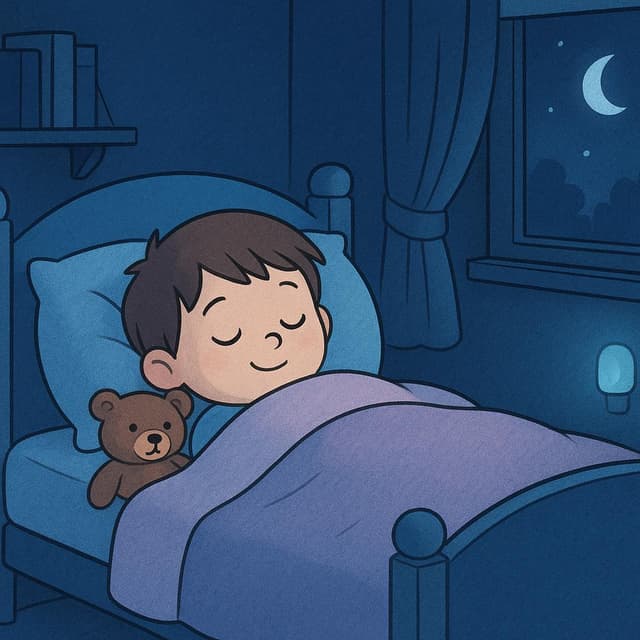
acostarse — to go to bed
Acostarse is a stem-changing (o > ue) reflexive verb: me acuesto, te acuestas, se acuesta.
Formy acostarse Czas teraźniejszy
Kiedy używać Czas teraźniejszy
Use the present tense to discuss your nightly routine, your usual bedtime, or to say you are going to bed right now.
Uwagi dotyczące acostarse w czasie Czas teraźniejszy
This is a 'boot verb' where the 'o' changes to 'ue' in all forms except nosotros and vosotros. Don't forget to include the reflexive pronouns (me, te, se, nos, os, se).
Przykładowe zdania
Normalmente me acuesto a medianoche.
I usually go to bed at midnight.
yo
¿A qué hora te acuestas los fines de semana?
What time do you go to bed on weekends?
tú
Nos acostamos temprano porque trabajamos mañana.
We are going to bed early because we work tomorrow.
nosotros
Częste błędy
Błąd: Yo acuesto a las diez.
Poprawnie: Me acuesto a las diez.
Dlaczego: Without 'me', the verb means 'I put (someone else) to bed' rather than 'I go to bed myself.'
Błąd: Nos acuestamos.
Poprawnie: Nos acostamos.
Dlaczego: The O>UE stem change never happens in the nosotros or vosotros forms.
Opanuj hiszpańskie czasowniki w kontekście
Zapamiętywanie tabel to dopiero początek. Przeczytaj ponad 200 ilustrowanych i udźwiękowionych hiszpańskich historii, aby zobaczyć czasowniki takie jak 'acostarse' używane naturalnie — w czasach, których się uczysz.
Powiązane czasy
Czas przeszły prosty
yo: me acosté
The preterite of acostarse is regular in its endings but requires reflexive pronouns: me acosté, te acostaste, se acostó.
Czas przeszły niedokonany
yo: me acostaba
The imperfect of acostarse is regular: me acostaba, te acostabas, se acostaba.
Czas przyszły
yo: me acostaré
The future tense is regular for acostarse: me acostaré, te acostarás, se acostará.
Tryb warunkowy
yo: me acostaría
The conditional is regular for acostarse: me acostaría, te acostarías, se acostaría.
Tryb Subj. teraźniejszy
yo: me acueste
The present subjunctive of acostarse features the O>UE stem change: me acueste, te acuestes, se acueste.
Tryb Subj. przeszły niedokonany
yo: me acostara
The imperfect subjunctive is based on the preterite stem: me acostara, te acostaras, se acostara.
Tryb rozkazujący (twierdzący)
yo: acuéstate
The imperative for acostarse attaches the pronoun to the end: acuéstate, acuéstese, acostémonos.
Tryb rozkazujący (przeczący)
yo: no te acuestes
The negative imperative uses the present subjunctive: no te acuestes, no se acueste.