Koniugacja azotar Czas przeszły niedokonany
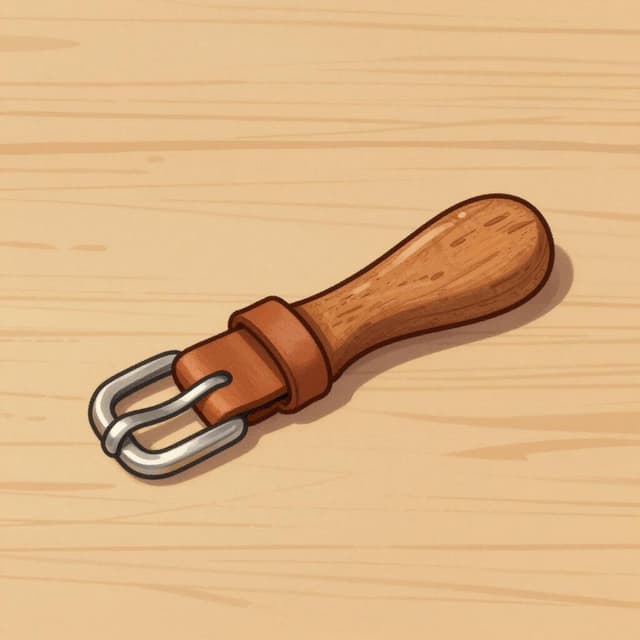
azotar — to whip
The imperfect of azotar (azotaba, azotabas, azotaba) describes ongoing or habitual past actions.
Formy azotar Czas przeszły niedokonany
Kiedy używać Czas przeszły niedokonany
Use the imperfect for background descriptions in the past ('The wind was whipping the trees'), habitual actions ('He used to whip the cream every morning'), or ongoing actions interrupted by another ('While I was whipping the eggs, the phone rang').
Uwagi dotyczące azotar w czasie Czas przeszły niedokonany
Azotar is a regular -ar verb and conjugates as expected in the imperfect indicative.
Przykładowe zdania
Yo azotaba la masa cuando sonó el teléfono.
I was whipping the batter when the phone rang.
yo
¿Tú azotabas al perro para que corriera?
Did you used to whip the dog so he would run?
tú
El viento azotaba las hojas secas por el patio.
The wind was whipping the dry leaves around the yard.
él/ella/usted
Ellos azotaban la arena con sus pies.
They were kicking up the sand with their feet.
ellos/ellas/ustedes
Częste błędy
Błąd: Using the imperfect for a single completed action.
Poprawnie: For 'The storm whipped the town last night,' use the preterite: 'La tormenta azotó el pueblo anoche.'
Dlaczego: The imperfect describes ongoing or habitual past actions, not specific, finished events.
Błąd: Confusing the imperfect 'azotaba' (yo) with the preterite 'azotó' (él/ella/usted).
Poprawnie: Remember 'azotaba' is ongoing or habitual past, and 'azotó' is a completed action.
Dlaczego: These tenses serve different functions in describing past events.
Opanuj hiszpańskie czasowniki w kontekście
Zapamiętywanie tabel to dopiero początek. Przeczytaj ponad 200 ilustrowanych i udźwiękowionych hiszpańskich historii, aby zobaczyć czasowniki takie jak 'azotar' używane naturalnie — w czasach, których się uczysz.
Powiązane czasy
Czas teraźniejszy
yo: azoto
The present tense of azotar (azoto, azotas, azota) is used for current actions, habits, and general truths.
Czas przeszły prosty
yo: azoté
The preterite of azotar (azoté, azotaste, azotó) describes completed actions in the past, like whipping something once.
Czas przyszły
yo: azotaré
The future tense of azotar (azotaré, azotarás, azotará) talks about actions that will happen.
Tryb warunkowy
yo: azotaría
The conditional of azotar (azotaría, azotarías, azotaría) is used for hypotheticals ('would') and polite requests.
Tryb Subj. teraźniejszy
yo: azote
The present subjunctive of azotar (azote, azotes, azoten) expresses wishes, doubts, or emotions.
Tryb Subj. przeszły niedokonany
yo: azotara
The imperfect subjunctive of azotar (e.g., azotara, azotaras) is used for hypothetical past situations.
Tryb rozkazujący (twierdzący)
yo: azota
Commands in the imperative mood for azotar include azota (tú) and azoten (ustedes).
Tryb rozkazujący (przeczący)
yo: no azotes
Negative commands for azotar use the present subjunctive, like 'no azotes' (tú) and 'no azoten' (ustedes).