Koniugacja bombear Tryb Subj. przeszły niedokonany
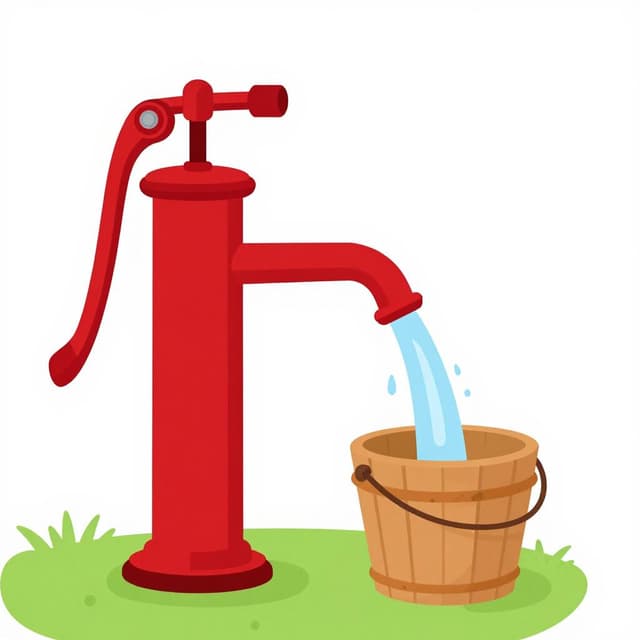
bombear — to pump
The imperfect subjunctive 'bombeara' or 'bombeara' expresses hypothetical past actions or wishes.
Formy bombear Tryb Subj. przeszły niedokonany
Kiedy używać Tryb Subj. przeszły niedokonany
Use the imperfect subjunctive for past events that were hypothetical, unlikely, or dependent on something else. It's common in 'if' clauses referring to the past, or after expressions of doubt or desire about the past.
Uwagi dotyczące bombear w czasie Tryb Subj. przeszły niedokonany
Bombear is regular in the imperfect subjunctive. Both the -ra and -se forms exist (e.g., 'bombeara' and 'bombearase'), but the -ra form is more common in everyday speech.
Przykładowe zdania
Si yo bombeara más rápido, terminaríamos antes.
If I pumped faster, we would finish sooner.
yo
Me gustaría que tú bombearas menos agua.
I would like you to pump less water.
tú
Ojalá él bombeara con más cuidado.
I wish he would pump more carefully.
él/ella/usted
Ellos actuaron como si bombearan toda la noche.
They acted as if they had pumped all night.
ellos/ellas/ustedes
Si vosotros bombearais más fuerte, la máquina funcionaría.
If you all pumped harder, the machine would work.
vosotros
Częste błędy
Błąd: Using the preterite or imperfect indicative instead of the imperfect subjunctive.
Poprawnie: In hypothetical or dependent clauses about the past, use the imperfect subjunctive (e.g., 'bombeara').
Dlaczego: The subjunctive mood is required for uncertainty, desire, and hypothetical situations.
Błąd: Confusing the -ra and -se forms.
Poprawnie: Both 'bombeara' and 'bombearase' are correct, but 'bombeara' is generally more common.
Dlaczego: Learners might only know one form or incorrectly think one is always preferred.
Opanuj hiszpańskie czasowniki w kontekście
Zapamiętywanie tabel to dopiero początek. Przeczytaj ponad 200 ilustrowanych i udźwiękowionych hiszpańskich historii, aby zobaczyć czasowniki takie jak 'bombear' używane naturalnie — w czasach, których się uczysz.
Powiązane czasy
Czas teraźniejszy
yo: bombeo
The present tense 'bombeo' describes habitual actions or things happening now.
Czas przeszły prosty
yo: bombeé
The preterite of bombear is regular: bombeé, bombeaste, bombeó, bombeamos, bombeasteis, bombearon.
Czas przeszły niedokonany
yo: bombeaba
The imperfect 'bombeaba' describes ongoing or habitual past actions.
Czas przyszły
yo: bombearé
The future tense 'bombearé' indicates actions that will happen.
Tryb warunkowy
yo: bombearía
The conditional 'bombearía' expresses hypothetical actions ('would pump').
Tryb Subj. teraźniejszy
yo: bombee
Use 'bombeemos' (nosotros) and 'bombeemos' (ustedes) after wishes, doubts, or emotions.
Tryb rozkazujący (twierdzący)
yo: bombea
Use 'bombea' (tú) and 'bombeen' (ustedes) for direct commands.
Tryb rozkazujący (przeczący)
yo: no bombees
Use 'no bombees' (tú) and 'no bombeen' (ustedes) for negative commands.