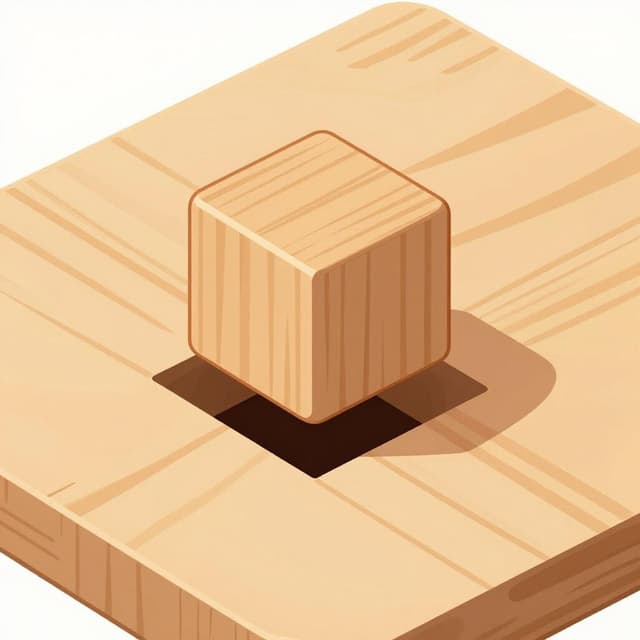
Koniugacja caber Tryb rozkazujący (przeczący)
caber — to fit
Negative commands for caber always use the 'quep-' stem from the present subjunctive.
Formy caber Tryb rozkazujący (przeczący)
Kiedy używać Tryb rozkazujący (przeczący)
Used to tell someone or something not to fit/try to fit into a space.
Uwagi dotyczące caber w czasie Tryb rozkazujący (przeczący)
All forms (no quepas, no quepa, etc.) are identical to the present subjunctive.
Przykładowe zdania
No quepas en ese hueco, es peligroso.
Don't fit (try to fit) into that gap, it's dangerous.
tú
No quepan todos a la vez por la puerta.
Don't all fit (try to go) through the door at once.
Częste błędy
Błąd: Saying 'no cabas'.
Poprawnie: no quepas
Dlaczego: Negative commands must use the subjunctive stem, which for caber is 'quep-'.
Opanuj hiszpańskie czasowniki w kontekście
Zapamiętywanie tabel to dopiero początek. Przeczytaj ponad 200 ilustrowanych i udźwiękowionych hiszpańskich historii, aby zobaczyć czasowniki takie jak 'caber' używane naturalnie — w czasach, których się uczysz.
Powiązane czasy
Czas teraźniejszy
yo: quepo
Caber is irregular only in the 'yo' form (quepo); all other forms follow the regular -er pattern.
Czas przeszły prosty
yo: cupe
Caber is highly irregular in the preterite, using the stem 'cup-' for all persons.
Czas przeszły niedokonany
yo: cabía
Caber is completely regular in the imperfect: cabía, cabías, cabía, cabíamos, cabíais, cabían.
Czas przyszły
yo: cabré
The future tense of caber uses the irregular stem 'cabr-'.
Tryb warunkowy
yo: cabría
The conditional uses the same irregular stem as the future: 'cabr-'.
Tryb Subj. teraźniejszy
yo: quepa
The present subjunctive is based on the irregular 'yo' form, using the stem 'quep-'.
Tryb Subj. przeszły niedokonany
yo: cupiera
The imperfect subjunctive uses the irregular preterite stem 'cup-'.
Tryb rozkazujący (twierdzący)
yo: cabe
The imperative uses 'cabe' for 'tú' but switches to 'quep-' for formal commands.