Koniugacja conservar Czas przeszły niedokonany
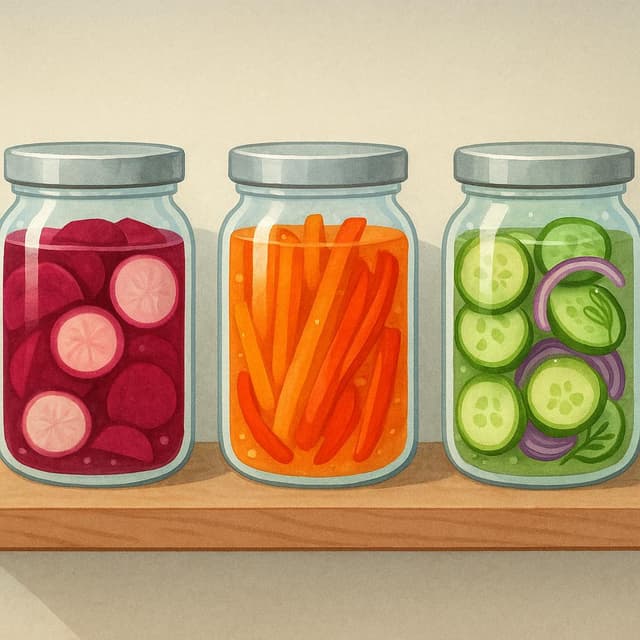
conservar — to preserve
Use 'conservaba' etc. for ongoing or habitual past actions and descriptions with 'conservar'.
Formy conservar Czas przeszły niedokonany
Kiedy używać Czas przeszły niedokonany
The imperfect tense describes actions that were happening continuously in the past, habitual actions, or sets the scene. For 'conservar', it's about how someone *used to* keep things or *was keeping* them over a period.
Uwagi dotyczące conservar w czasie Czas przeszły niedokonany
Conservar is regular in the imperfect tense. The endings are added to the stem 'conservaba-'.
Przykładowe zdania
Yo conservaba todas las cartas de mi abuela.
I used to keep all my grandmother's letters.
yo
¿Tú conservabas esa vieja colección?
Were you keeping that old collection?
tú
Él conservaba la calma en situaciones difíciles.
He maintained his calm in difficult situations.
él/ella/usted
Nosotros conservábamos los alimentos en la despensa.
We used to keep the food in the pantry.
nosotros
Ellos conservaban sus tradiciones con orgullo.
They used to preserve their traditions with pride.
ellos/ellas/ustedes
Częste błędy
Błąd: Using the preterite ('conservó') instead of imperfect ('conservaba') for ongoing past actions.
Poprawnie: Use 'conservaba' for actions that were happening over time or habitually.
Dlaczego: The imperfect describes the background or duration, while the preterite describes a completed event.
Błąd: Confusing the 'nosotros' form.
Poprawnie: The 'nosotros' form is 'conservábamos'.
Dlaczego: Ensure the correct imperfect ending '-ábamos' is used.
Opanuj hiszpańskie czasowniki w kontekście
Zapamiętywanie tabel to dopiero początek. Przeczytaj ponad 200 ilustrowanych i udźwiękowionych hiszpańskich historii, aby zobaczyć czasowniki takie jak 'conservar' używane naturalnie — w czasach, których się uczysz.
Powiązane czasy
Czas teraźniejszy
yo: conservo
Use 'conservo', 'conservas', 'conserva', 'conservamos', 'conserváis', 'conservan' for present actions, habits, and truths with 'conservar'.
Czas przeszły prosty
yo: conservé
Use 'conservé', 'conservaste', 'conservó', 'conservamos', 'conservasteis', 'conservaron' for completed past actions with 'conservar'.
Czas przyszły
yo: conservaré
Use 'conservaré', 'conservarás', 'conservará', etc. for future actions or probability with 'conservar'.
Tryb warunkowy
yo: conservaría
Use 'conservaría', 'conservarías', 'conservaría', etc. for hypotheticals ('would keep') and polite requests with 'conservar'.
Tryb Subj. teraźniejszy
yo: conserve
Use 'conserve', 'conservemos', 'conserven' etc. for wishes, doubts, emotions, and uncertainty with 'conservar'.
Tryb Subj. przeszły niedokonany
yo: conservara
Use 'conservara' or 'conservase' (and variants) for past hypothetical or uncertain situations with 'conservar'.
Tryb rozkazujący (twierdzący)
yo: conserva
Use 'conserva', 'conserve', 'conservemos', 'conservad', 'conserven' for direct commands with 'conservar'.
Tryb rozkazujący (przeczący)
yo: no conserves
Use 'no conserves', 'no conserve', 'no conservemos', 'no conservéis', 'no conserven' for negative commands with 'conservar'.