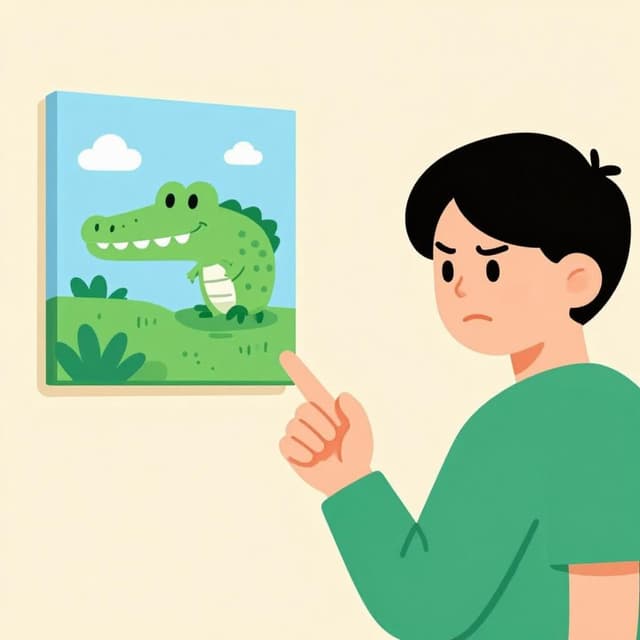
Koniugacja criticar Tryb Subj. teraźniejszy
criticar — to criticize
The present subjunctive of criticar uses the 'qu' spelling change: critique, critiques, critique, critiquemos, critiquéis, critiquen.
Formy criticar Tryb Subj. teraźniejszy
Kiedy używać Tryb Subj. teraźniejszy
Use this after expressions of doubt, emotion, or desire (e.g., 'I don't want you to criticize me').
Uwagi dotyczące criticar w czasie Tryb Subj. teraźniejszy
Because the endings start with 'e', the 'c' changes to 'qu' in all forms to keep the hard 'k' sound.
Przykładowe zdania
No quiero que critiques mi ropa.
I don't want you to criticize my clothes.
tú
Es posible que ellos critiquen el proyecto.
It's possible that they might criticize the project.
ellos/ellas/ustedes
Dudo que ella critique a su jefe.
I doubt she would criticize her boss.
él/ella/usted
Częste błędy
Błąd: Writing 'critice' instead of 'critique'.
Poprawnie: The correct spelling is 'critique'.
Dlaczego: In Spanish, 'critice' would be pronounced like 'cree-TEE-seh'. You need the 'qu' to maintain the 'k' sound from the infinitive.
Opanuj hiszpańskie czasowniki w kontekście
Zapamiętywanie tabel to dopiero początek. Przeczytaj ponad 200 ilustrowanych i udźwiękowionych hiszpańskich historii, aby zobaczyć czasowniki takie jak 'criticar' używane naturalnie — w czasach, których się uczysz.
Powiązane czasy
Czas teraźniejszy
yo: critico
The present tense of criticar is regular: critico, criticas, critica, criticamos, criticáis, critican.
Czas przeszły prosty
yo: critiqué
The preterite of criticar has a spelling change in the 'yo' form (critiqué) to keep the hard 'c' sound.
Czas przeszły niedokonany
yo: criticaba
The imperfect of criticar is regular: criticaba, criticabas, criticaba, criticábamos, criticabais, criticaban.
Czas przyszły
yo: criticaré
The future of criticar is regular: criticaré, criticarás, criticará, criticaremos, criticaréis, criticarán.
Tryb warunkowy
yo: criticaría
The conditional of criticar is regular: criticaría, criticarías, criticaría, criticaríamos, criticaríais, criticarían.
Tryb Subj. przeszły niedokonany
yo: criticara
The imperfect subjunctive of criticar is: criticara, criticaras, criticara, criticáramos, criticarais, criticaran.
Tryb rozkazujący (twierdzący)
yo: critica
The affirmative imperative of criticar is: critica (tú), critique (usted), critiquemos (nosotros), criticad (vosotros), critiquen (ustedes).
Tryb rozkazujący (przeczący)
yo: no critiques
The negative imperative of criticar uses subjunctive forms: no critiques, no critique, no critiquemos, no critiquéis, no critiquen.