Koniugacja descalificar Tryb Subj. teraźniejszy
descalificar — to disqualify
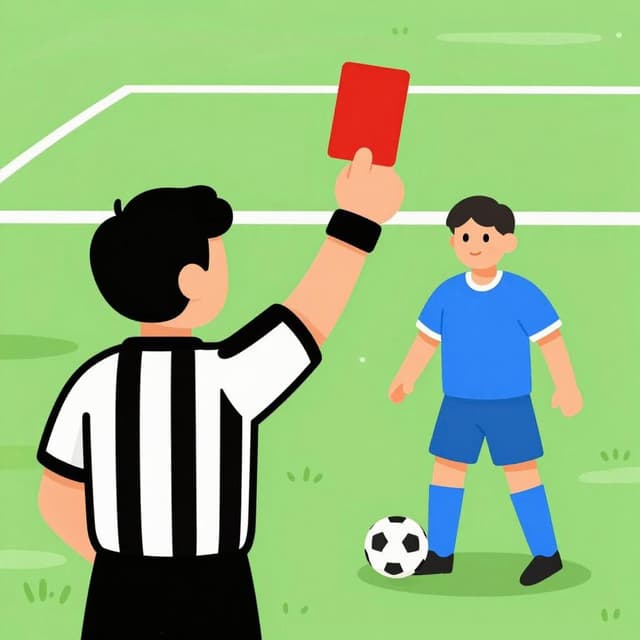
Descalificar requires a 'c' to 'qu' spelling change in all forms to keep the hard 'k' sound.
Formy descalificar Tryb Subj. teraźniejszy
Kiedy używać Tryb Subj. teraźniejszy
Use this tense when expressing a wish, doubt, or suggestion that someone be disqualified, often after phrases like 'espero que' or 'es posible que'.
Uwagi dotyczące descalificar w czasie Tryb Subj. teraźniejszy
This is a spelling-change verb. To maintain the hard 'k' sound of the infinitive before an 'e', the 'c' changes to 'qu' (descalifique).
Przykładowe zdania
Espero que no me descalifiquen por llegar tarde.
I hope they don't disqualify me for arriving late.
ellos/ellas/ustedes
Dudo que el juez te descalifique por eso.
I doubt the judge will disqualify you for that.
él/ella/usted
Es importante que no descalifiques a nadie sin pruebas.
It is important that you don't disqualify anyone without proof.
tú
Częste błędy
Błąd: descalifice
Poprawnie: descalifique
Dlaczego: Using a 'c' before 'e' would create a 'th' or 's' sound; 'qu' is needed to keep the hard 'k' sound from the original verb.
Opanuj hiszpańskie czasowniki w kontekście
Zapamiętywanie tabel to dopiero początek. Przeczytaj ponad 200 ilustrowanych i udźwiękowionych hiszpańskich historii, aby zobaczyć czasowniki takie jak 'descalificar' używane naturalnie — w czasach, których się uczysz.
Powiązane czasy
Czas teraźniejszy
yo: descalifico
Descalificar is completely regular in the present indicative.
Czas przeszły prosty
yo: descalifiqué
Descalificar has a spelling change only in the 'yo' form (descalifiqué).
Czas przeszły niedokonany
yo: descalificaba
Descalificar is regular in the imperfect: descalificaba, descalificabas...
Czas przyszły
yo: descalificaré
The future of descalificar is regular: just add endings to the infinitive.
Tryb warunkowy
yo: descalificaría
The conditional uses the full infinitive: descalificaría, descalificarías...
Tryb Subj. przeszły niedokonany
yo: descalificara
Forms like descalificara are used for past doubts or hypothetical situations involving disqualification.
Tryb rozkazujący (twierdzący)
yo: descalifica
Use descalifica (tú) or descalifiquen (ustedes) for direct commands.
Tryb rozkazujący (przeczący)
yo: no descalifiques
Negative commands always use the 'qu' spelling change (no descalifiques).