Koniugacja discurrir Czas przeszły niedokonany
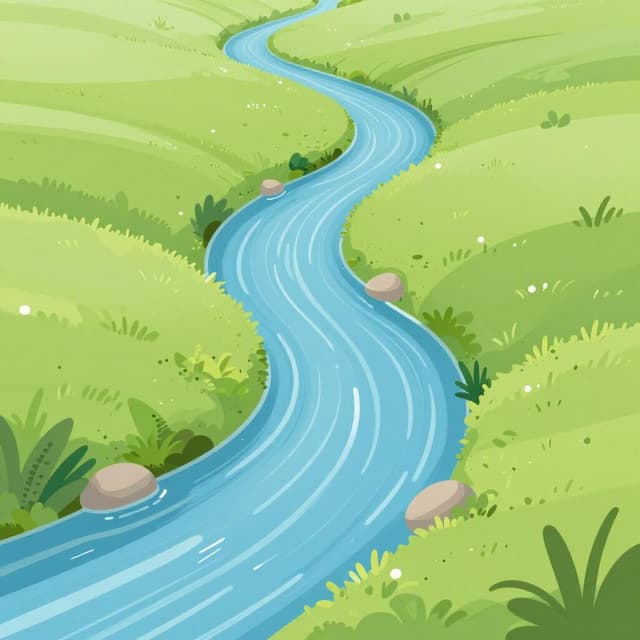
discurrir — to flow
Ongoing or habitual past actions like 'discurría' (I/he/she/you) and 'discurrían' (they/you all) for discurrir.
Formy discurrir Czas przeszły niedokonany
Kiedy używać Czas przeszły niedokonany
Use the imperfect tense for actions that were happening continuously in the past, habitual actions, or to describe background settings. For 'discurrir,' think of a river that used to flow constantly or a period where ideas were always developing.
Uwagi dotyczące discurrir w czasie Czas przeszły niedokonany
'Discurrir' is regular in the imperfect tense. It follows the standard conjugation pattern for -ir verbs.
Przykładowe zdania
El arroyo discurría perezosamente por el prado.
The stream used to flow lazily through the meadow.
él/ella/usted
Mientras mi abuelo contaba historias, yo discurría en otras cosas.
While my grandfather told stories, I was thinking about other things.
yo
Antes, las aguas del río discurrían mucho más caudalosas.
Before, the river's waters used to flow much more abundantly.
ellos/ellas/ustedes
Cuando éramos niños, discurríamos por ese bosque a menudo.
When we were children, we used to wander through that forest often.
nosotros
Częste błędy
Błąd: Using the preterite instead of the imperfect for ongoing past actions.
Poprawnie: Say 'El agua discurría' (it was flowing) to describe the state, not 'El agua discurrió' (it flowed and finished).
Dlaczego: The imperfect describes continuous or habitual actions in the past, setting the scene, while the preterite describes completed actions.
Błąd: Confusing the imperfect with the present tense.
Poprawnie: The imperfect 'discurría' describes a past ongoing action, not a present one.
Dlaczego: The endings are different, and the context clearly indicates a past timeframe for the imperfect.
Opanuj hiszpańskie czasowniki w kontekście
Zapamiętywanie tabel to dopiero początek. Przeczytaj ponad 200 ilustrowanych i udźwiękowionych hiszpańskich historii, aby zobaczyć czasowniki takie jak 'discurrir' używane naturalnie — w czasach, których się uczysz.
Powiązane czasy
Czas teraźniejszy
yo: discurro
Present actions like 'discurro' (I) and 'discurren' (they/you all) for discurrir.
Czas przeszły prosty
yo: discurrí
Completed past actions like 'discurrí' (I) and 'discurrieron' (they/you all) for discurrir.
Czas przyszły
yo: discurriré
Future actions like 'discurriré' (I) and 'discurrirán' (they/you all) for discurrir.
Tryb warunkowy
yo: discurriría
Hypothetical actions like 'discurriría' (I/he/she/you) and 'discurrirían' (they/you all) for discurrir.
Tryb Subj. teraźniejszy
yo: discurra
Present subjunctive forms like 'discurra' (I/he/she/you) and 'discurran' (they/you all) for discurrir.
Tryb Subj. przeszły niedokonany
yo: discurriera
Past subjunctive forms like 'discurriera' (I/he/she/you) and 'discurrieran' (they/you all) for discurrir.
Tryb rozkazujący (twierdzący)
yo: discurre
Commands like 'discurre' (you) and 'discurran' (they/you all) for discurrir.
Tryb rozkazujący (przeczący)
yo: no discurras
Negative commands like 'no discurras' (don't you) and 'no discurran' (don't they/you all) for discurrir.