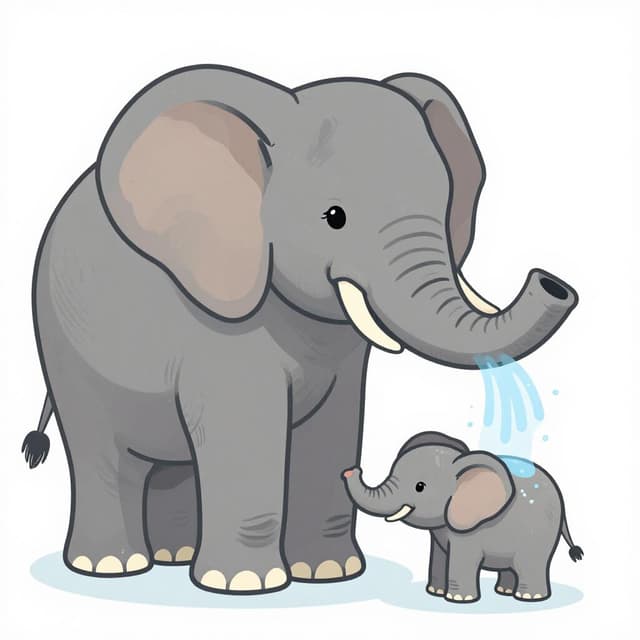
Koniugacja duchar Tryb rozkazujący (twierdzący)
duchar — to shower
Use 'ducha' (tú), 'duche' (usted), 'duchemos' (nosotros), 'duchad' (vosotros), 'duchen' (ustedes) for direct commands.
Formy duchar Tryb rozkazujący (twierdzący)
Kiedy używać Tryb rozkazujący (twierdzący)
The imperative is for giving direct commands or making urgent requests. Think of telling someone what to do right now, like 'Shower!', 'Let's shower!', or 'You all shower!'.
Uwagi dotyczące duchar w czasie Tryb rozkazujący (twierdzący)
Duchar is regular in the affirmative imperative. The nosotros and ustedes forms are the same as the present subjunctive.
Przykładowe zdania
Ducha rápido, que llegamos tarde.
Shower quickly, we're late.
tú
Duchémonos antes de salir.
Let's shower before going out.
nosotros
Señora, dúchese usted ahora, por favor.
Ma'am, shower now, please.
usted
¡Duchad bien, niños!
Shower well, kids!
vosotros
Ustedes, duchen todo el cuerpo.
You all, shower your whole body.
ustedes
Częste błędy
Błąd: Using the infinitive 'duchar' instead of a command form.
Poprawnie: Use forms like 'ducha' or 'duche'.
Dlaczego: The infinitive is the base form of the verb and isn't used for direct commands.
Błąd: Forgetting the 'nos' or 'os' in nosotros/vosotros commands.
Poprawnie: Say 'Duchémonos' and 'Duchaos'.
Dlaczego: These reflexive pronouns are essential for commands involving 'us' or 'you all' (Spain informal).
Opanuj hiszpańskie czasowniki w kontekście
Zapamiętywanie tabel to dopiero początek. Przeczytaj ponad 200 ilustrowanych i udźwiękowionych hiszpańskich historii, aby zobaczyć czasowniki takie jak 'duchar' używane naturalnie — w czasach, których się uczysz.
Powiązane czasy
Czas teraźniejszy
yo: ducho
Use the present 'ducho', 'duchas', 'ducha', 'duchamos', 'ducháis', 'duchan' for habitual actions like showering daily.
Czas przeszły prosty
yo: duché
Use the preterite 'duché', 'duchaste', 'duchó', 'duchamos', 'duchasteis', 'ducharon' for completed actions like taking a shower at a specific time.
Czas przeszły niedokonany
yo: duchaba
Use the imperfect 'duchaba', 'duchabas', 'duchaba', 'duchábamos', 'duchabais', 'duchaban' for ongoing or habitual past actions like showering every day.
Czas przyszły
yo: ducharé
Use the future 'ducharé', 'ducharás', 'duchará', 'ducharemos', 'ducharéis', 'ducharán' to talk about when you or someone will shower.
Tryb warunkowy
yo: ducharía
Use the conditional 'ducharía', 'ducharías', 'ducharía', 'ducharíamos', 'ducharíais', 'ducharían' for hypothetical situations like 'I would shower'.
Tryb Subj. teraźniejszy
yo: duche
Use 'duche' (yo/él/ella/usted), 'duches' (tú), 'duchemos' (nosotros), 'duchéis' (vosotros), 'duchen' (ellos/ellas/ustedes) after expressions of doubt, desire, emotion, or uncertainty.
Tryb Subj. przeszły niedokonany
yo: duchara
Use the imperfect subjunctive ('duchara', 'ducharas', etc.) for past hypotheticals, wishes, or polite requests.
Tryb rozkazujący (przeczący)
yo: no duches
Use 'no duches' (tú), 'no duche' (usted), 'no duchemos' (nosotros), 'no duchéis' (vosotros), 'no duchen' (ustedes) for negative commands.