Koniugacja empacar Tryb Subj. teraźniejszy
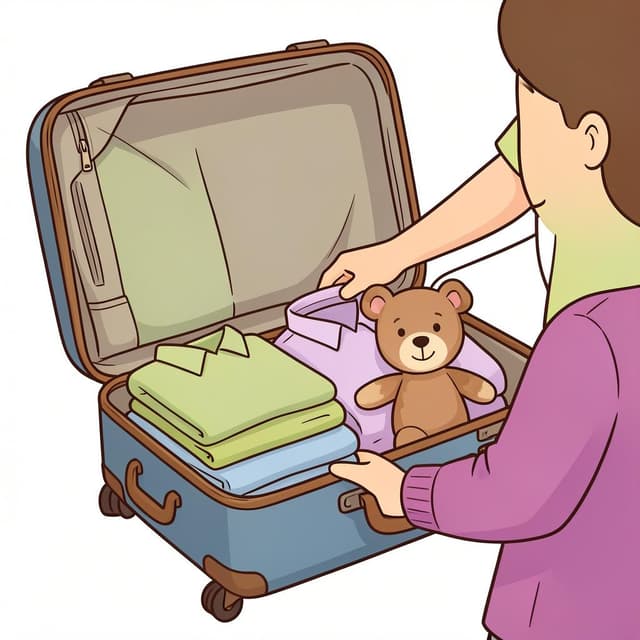
empacar — to pack
The present subjunctive of empacar features a c-to-qu spelling change: empaque, empaques, empaque, empaquemos, empaquéis, empaquen.
Formy empacar Tryb Subj. teraźniejszy
Kiedy używać Tryb Subj. teraźniejszy
Use this tense when expressing a wish, doubt, or suggestion about someone packing, such as 'I hope you pack your bags' or 'It's better that we pack now.'
Uwagi dotyczące empacar w czasie Tryb Subj. teraźniejszy
To maintain the hard 'k' sound before the letter 'e', the 'c' changes to 'qu' in all forms of the present subjunctive.
Przykładowe zdania
Espero que empaques algo de ropa abrigada.
I hope you pack some warm clothes.
tú
Dudo que ellos empaquen todo en una maleta.
I doubt that they will pack everything in one suitcase.
ellos/ellas/ustedes
Es mejor que empaquemos ahora para no tener prisa.
It's better that we pack now so we aren't in a rush.
nosotros
Częste błędy
Błąd: empace
Poprawnie: empaque
Dlaczego: Using a 'c' before 'e' would change the sound to an 's/z' sound; you must use 'qu' to keep the hard 'k' sound from 'empacar'.
Opanuj hiszpańskie czasowniki w kontekście
Zapamiętywanie tabel to dopiero początek. Przeczytaj ponad 200 ilustrowanych i udźwiękowionych hiszpańskich historii, aby zobaczyć czasowniki takie jak 'empacar' używane naturalnie — w czasach, których się uczysz.
Powiązane czasy
Czas teraźniejszy
yo: empaco
The present tense of empacar is fully regular: empaco, empacas, empaca, empacamos, empacáis, empacan.
Czas przeszły prosty
yo: empaqué
The preterite of empacar is regular except for the 'yo' form: empaqué, empacaste, empacó, empacamos, empacasteis, empacaron.
Czas przeszły niedokonany
yo: empacaba
The imperfect of empacar is regular: empacaba, empacabas, empacaba, empacábamos, empacabais, empacaban.
Czas przyszły
yo: empacaré
The future tense of empacar is regular: empacaré, empacarás, empacará, empacaremos, empacaréis, empacarán.
Tryb warunkowy
yo: empacaría
The conditional of empacar is regular: empacaría, empacarías, empacaría, empacaríamos, empacaríais, empacarían.
Tryb Subj. przeszły niedokonany
yo: empacara
The imperfect subjunctive of empacar is regular: empacara, empacaras, empacara, empacáramos, empacarais, empacaran.
Tryb rozkazujący (twierdzący)
yo: empaca
The affirmative imperative forms for empacar are: empaca (tú), empaque (usted), empaquemos (nosotros), empacad (vosotros), empaquen (ustedes).
Tryb rozkazujący (przeczący)
yo: no empaques
The negative imperative of empacar uses subjunctive forms with a c-to-qu change: no empaques, no empaque, no empaquemos, no empaquéis, no empaquen.