Koniugacja empeñar Czas przeszły prosty
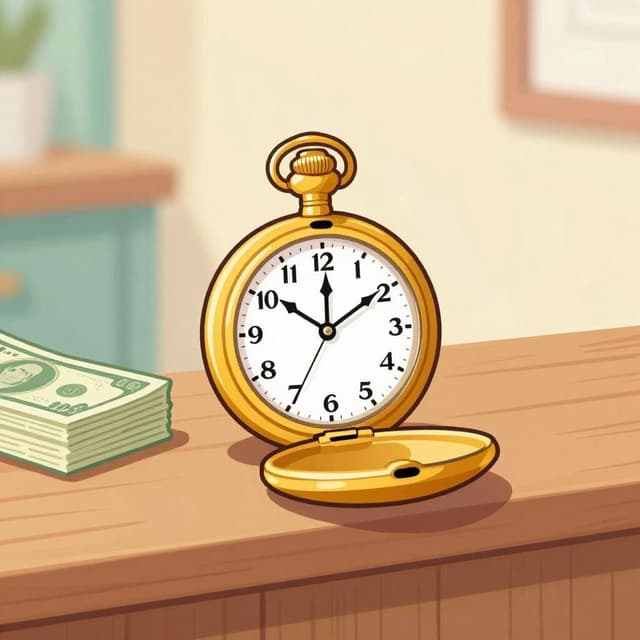
empeñar — to pawn
Use 'empeñé', 'empeñaste', 'empeñó', 'empeñamos', 'empeñasteis', 'empeñaron' for completed past actions.
Formy empeñar Czas przeszły prosty
Kiedy używać Czas przeszły prosty
The preterite is used for actions that started and finished at a specific point in the past. For 'empeñar', this could be the act of pawning an item or the moment someone committed to something.
Uwagi dotyczące empeñar w czasie Czas przeszły prosty
'Empeñar' is a regular -ar verb and follows the standard conjugation pattern in the preterite tense.
Przykładowe zdania
Ayer empeñé mi guitarra para pagar el alquiler.
Yesterday I pawned my guitar to pay the rent.
yo
¿Empeñaste tus promesas?
Did you keep your promises?
tú
Él empeñó su palabra de honor.
He gave his word of honor.
él/ella/usted
Ellos empeñaron todo lo que tenían.
They pawned everything they had.
ellos/ellas/ustedes
Częste błędy
Błąd: Using the imperfect 'empeñaba' instead of the preterite 'empeñé' for a single, completed action.
Poprawnie: For a specific, completed action like pawning an item yesterday, use the preterite: 'empeñé'.
Dlaczego: The preterite marks a finished event, while the imperfect describes ongoing or habitual past actions.
Błąd: Forgetting the accent on 'empeñó' and 'empeñé'.
Poprawnie: The él/ella/usted form is 'empeñó' and the yo form is 'empeñé', both requiring an accent.
Dlaczego: The accent indicates the stress on the final syllable for these preterite forms.
Opanuj hiszpańskie czasowniki w kontekście
Zapamiętywanie tabel to dopiero początek. Przeczytaj ponad 200 ilustrowanych i udźwiękowionych hiszpańskich historii, aby zobaczyć czasowniki takie jak 'empeñar' używane naturalnie — w czasach, których się uczysz.
Powiązane czasy
Czas teraźniejszy
yo: empeño
Use 'empeño', 'empeñas', 'empeña', 'empeñamos', 'empeñáis', 'empeñan' for actions happening now, habits, or general truths.
Czas przeszły niedokonany
yo: empeñaba
Use 'empeñaba', 'empeñabas', 'empeñaba', 'empeñábamos', 'empeñabais', 'empeñaban' for ongoing or habitual past actions.
Czas przyszły
yo: empeñaré
Use 'empeñaré', 'empeñarás', 'empeñará', 'empeñaremos', 'empeñaréis', 'empeñarán' for future actions or probability.
Tryb warunkowy
yo: empeñaría
Use 'empeñaría', 'empeñarías', 'empeñaría', 'empeñaríamos', 'empeñaríais', 'empeñarían' for hypotheticals, polite requests, or future-in-the-past.
Tryb Subj. teraźniejszy
yo: empeñe
Use 'empeñe' (yo/él/ella/usted), 'empeñes' (tú), 'empeñemos' (nosotros), 'empeñéis' (vosotros), 'empeñen' (ellos/ellas/ustedes) after expressions of doubt, desire, emotion, or uncertainty.
Tryb Subj. przeszły niedokonany
yo: empeñara
Use 'empeñara'/'empeñase' (yo/él/ella/usted), 'empeñaras'/'empeñases' (tú), 'empeñáramos'/'empeñásemos' (nosotros), 'empeñarais'/'empeñaseis' (vosotros), 'empeñaran'/'empeñasen' (ellos/ellas/ustedes) for past hypotheticals or wishes.
Tryb rozkazujący (twierdzący)
yo: empeña
Use 'empeña' (tú), 'empeñe' (usted), 'empeñemos' (nosotros), 'empeñen' (ustedes), or 'empeñad' (vosotros) for direct commands.
Tryb rozkazujący (przeczący)
yo: no empeñes
Use 'no empeñes' (tú), 'no empeñe' (usted), 'no empeñemos' (nosotros), 'no empeñen' (ustedes), or 'no empeñéis' (vosotros) for negative commands.