Koniugacja enterrar Czas teraźniejszy
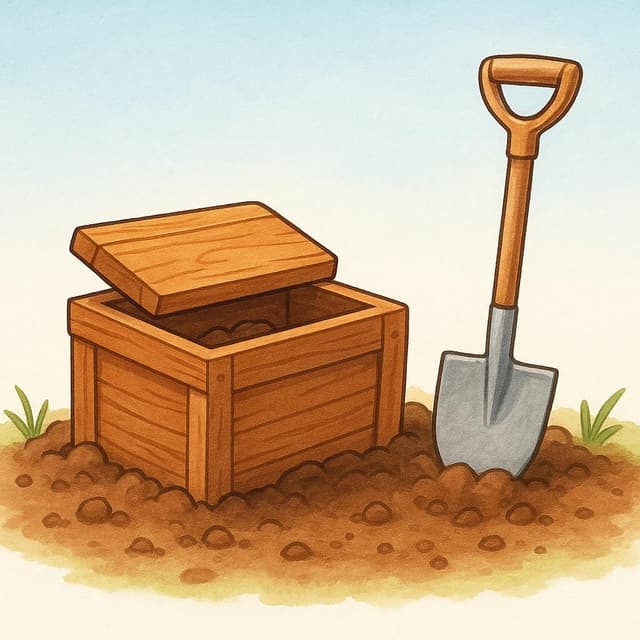
enterrar — to bury
Enterrar is a stem-changing verb where the 'e' becomes 'ie' in all forms except nosotros and vosotros.
Formy enterrar Czas teraźniejszy
Kiedy używać Czas teraźniejszy
Use the present tense to talk about current habits, general facts, or things happening right now, such as a dog burying a bone.
Uwagi dotyczące enterrar w czasie Czas teraźniejszy
This is a radical-changing verb (e > ie). This change occurs in the 'boot' forms: entierro, entierras, entierra, entierran.
Przykładowe zdania
Mi perro siempre entierra sus juguetes.
My dog always buries his toys.
él/ella/usted
Si no tenemos cuidado, enterramos el pasado.
If we aren't careful, we bury the past.
nosotros
¿Por qué entierras ese dinero en el patio?
Why are you burying that money in the yard?
tú
Częste błędy
Błąd: Nosotros entierramos.
Poprawnie: Nosotros enterramos.
Dlaczego: The stem change e > ie never applies to the 'nosotros' or 'vosotros' forms.
Opanuj hiszpańskie czasowniki w kontekście
Zapamiętywanie tabel to dopiero początek. Przeczytaj ponad 200 ilustrowanych i udźwiękowionych hiszpańskich historii, aby zobaczyć czasowniki takie jak 'enterrar' używane naturalnie — w czasach, których się uczysz.
Powiązane czasy
Czas przeszły prosty
yo: enterré
The preterite of enterrar is regular in its endings, but note the spelling change in the 'yo' form: enterré.
Czas przeszły niedokonany
yo: enterraba
The imperfect of enterrar is regular: enterraba, enterrabas, enterraba, enterrábamos, enterrabais, enterraban.
Czas przyszły
yo: enterraré
The future tense of enterrar is completely regular: enterraré, enterrarás, enterrará.
Tryb warunkowy
yo: enterraría
The conditional uses the infinitive as a base: enterraría, enterrarías, enterraría.
Tryb Subj. teraźniejszy
yo: entierre
The present subjunctive follows the e > ie stem change: entierre, entierres, entierre, enterremos, enterréis, entierren.
Tryb Subj. przeszły niedokonany
yo: enterrara
Formed from the third-person plural preterite: enterrara, enterraras, enterrara.
Tryb rozkazujący (twierdzący)
yo: entierra
Give direct commands to bury something: entierra (tú), entierre (usted), enterremos (nosotros).
Tryb rozkazujący (przeczący)
yo: no entierres
Use 'no' + present subjunctive: no entierres, no entierre, no enterremos.