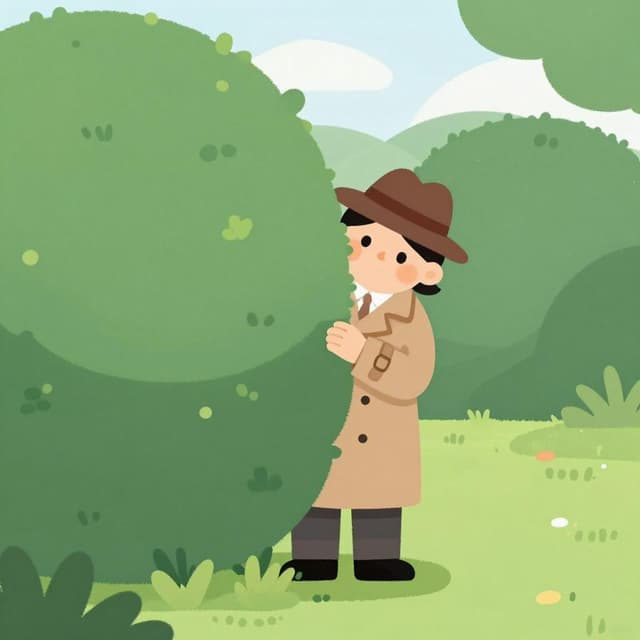
Koniugacja espiar Czas przeszły prosty
espiar — to spy
The preterite of espiar is fully regular: espié, espiaste, espió, espiamos, espiasteis, espiaron.
Formy espiar Czas przeszły prosty
Kiedy używać Czas przeszły prosty
Use the preterite for a specific instance of spying that started and ended at a definite time in the past.
Uwagi dotyczące espiar w czasie Czas przeszły prosty
Espiar is completely regular in the preterite. The accent on 'espié' and 'espió' follows standard -ar verb rules.
Przykładowe zdania
Ayer espié a los vecinos por la ventana.
Yesterday I spied on the neighbors through the window.
yo
Él espió los documentos secretos durante la reunión.
He glanced at the secret documents during the meeting.
él/ella/usted
Ellos espiaron a la competencia para obtener información.
They spied on the competition to get information.
ellos/ellas/ustedes
Częste błędy
Błąd: Adding an extra 'i' like 'espiié'.
Poprawnie: espié
Dlaczego: The stem is 'espi-' and the ending is '-é'. You only need one 'i'.
Opanuj hiszpańskie czasowniki w kontekście
Zapamiętywanie tabel to dopiero początek. Przeczytaj ponad 200 ilustrowanych i udźwiękowionych hiszpańskich historii, aby zobaczyć czasowniki takie jak 'espiar' używane naturalnie — w czasach, których się uczysz.
Powiązane czasy
Czas teraźniejszy
yo: espío
Espiar is mostly regular but adds an accent on the 'i' in all forms except nosotros and vosotros.
Czas przeszły niedokonany
yo: espiaba
The imperfect of espiar is regular: espiaba, espiabas, espiaba, espiábamos, espiabais, espiaban.
Czas przyszły
yo: espiaré
The future of espiar is regular: espiaré, espiarás, espiará, espiaremos, espiaréis, espiarán.
Tryb warunkowy
yo: espiaría
The conditional of espiar is regular: espiaría, espiarías, espiaría, espiaríamos, espiaríais, espiarían.
Tryb Subj. teraźniejszy
yo: espíe
The present subjunctive follows the accent shift of the present indicative: espíe, espíes, espíe, espiemos, espiéis, espíen.
Tryb Subj. przeszły niedokonany
yo: espiara
The imperfect subjunctive of espiar is regular: espiara, espiaras, espiara, espiáramos, espiarais, espiaran.
Tryb rozkazujący (twierdzący)
yo: espía
The imperative uses the accent-shifted forms: espía (tú), espíe (usted), espiemos (nosotros), espiad (vosotros), espíen (ustedes).
Tryb rozkazujący (przeczący)
yo: no espíes
The negative imperative matches the present subjunctive: no espíes, no espíe, no espiemos, no espiéis, no espíen.