Koniugacja guardar Czas przeszły niedokonany
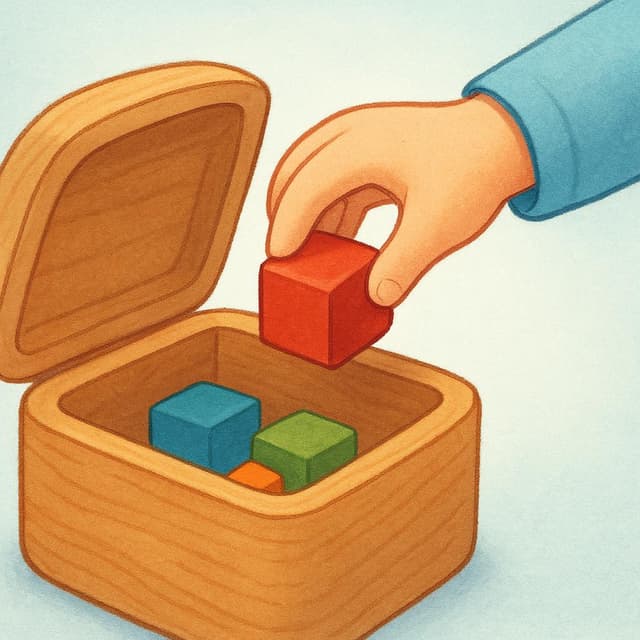
guardar — to put away
In the imperfect, guardar uses standard -aba endings: guardaba, guardabas, guardaba, guardábamos, guardabais, guardaban.
Formy guardar Czas przeszły niedokonany
Kiedy używać Czas przeszły niedokonany
Use this to describe where you used to keep things or a situation where you were in the middle of putting something away when something else happened.
Uwagi dotyczące guardar w czasie Czas przeszły niedokonany
Guardar is regular in the imperfect. Remember the accent only on the 'nosotros' form: guardábamos.
Przykładowe zdania
De niño, yo guardaba mis juguetes debajo de la cama.
As a child, I used to keep my toys under the bed.
yo
Nosotros guardábamos las herramientas en el garaje.
We used to keep the tools in the garage.
nosotros
Ustedes guardaban la comida en cajas.
You all used to keep the food in boxes.
ellos/ellas/ustedes
Częste błędy
Błąd: Using 'guardía' instead of 'guardaba'.
Poprawnie: guardaba
Dlaczego: Learners often confuse -ar and -er/-ir endings in the imperfect.
Opanuj hiszpańskie czasowniki w kontekście
Zapamiętywanie tabel to dopiero początek. Przeczytaj ponad 200 ilustrowanych i udźwiękowionych hiszpańskich historii, aby zobaczyć czasowniki takie jak 'guardar' używane naturalnie — w czasach, których się uczysz.
Powiązane czasy
Czas teraźniejszy
yo: guardo
Guardar is completely regular in the present: guardo, guardas, guarda, guardamos, guardáis, guardan.
Czas przeszły prosty
yo: guardé
The preterite of guardar is regular: guardé, guardaste, guardó, guardamos, guardasteis, guardaron.
Czas przyszły
yo: guardaré
The future of guardar uses the infinitive as the stem: guardaré, guardarás, guardará, guardaremos, guardaréis, guardarán.
Tryb warunkowy
yo: guardaría
The conditional of guardar adds -ía endings to the infinitive: guardaría, guardarías, guardaría, guardaríamos, guardaríais, guardarían.
Tryb Subj. teraźniejszy
yo: guarde
The present subjunctive of guardar uses 'e' endings: guarde, guardes, guarde, guardemos, guardéis, guarden.
Tryb Subj. przeszły niedokonany
yo: guardara
The imperfect subjunctive of guardar is formed from the preterite 'ellos' form: guardara, guardaras, guardara, guardáramos, guardarais, guardaran.
Tryb rozkazujący (twierdzący)
yo: guarda
The imperative of guardar provides direct commands: guarda, guarde, guardemos, guardad, guarden.
Tryb rozkazujący (przeczący)
yo: no guardes
The negative imperative of guardar uses present subjunctive forms: no guardes, no guarde, no guardemos, no guardéis, no guarden.