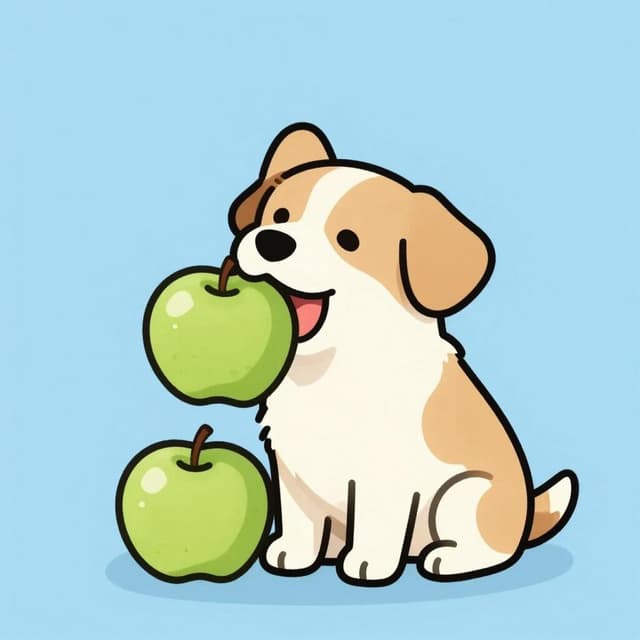
Koniugacja masticar Czas przyszły
masticar — to chew
The future of masticar is regular: masticaré, masticarás, masticará, masticaremos, masticaréis, masticarán.
Formy masticar Czas przyszły
Kiedy używać Czas przyszły
Use this to predict or state what will be chewed in the future, often used when discussing dental recovery or upcoming meals.
Uwagi dotyczące masticar w czasie Czas przyszły
Masticar is fully regular in the future tense. Just add the future endings to the full infinitive.
Przykładowe zdania
Mañana masticaré comida sólida por primera vez.
Tomorrow I will chew solid food for the first time.
yo
¿Masticarás el tabaco o lo escupirás?
Will you chew the tobacco or spit it out?
tú
Ellos masticarán los caramelos si son blandos.
They will chew the candies if they are soft.
ellos/ellas/ustedes
Częste błędy
Błąd: masticare (without accent)
Poprawnie: masticaré
Dlaczego: Without the accent, it can be confused with other forms or simply be grammatically incorrect; the future tense almost always requires accents on the endings.
Opanuj hiszpańskie czasowniki w kontekście
Zapamiętywanie tabel to dopiero początek. Przeczytaj ponad 200 ilustrowanych i udźwiękowionych hiszpańskich historii, aby zobaczyć czasowniki takie jak 'masticar' używane naturalnie — w czasach, których się uczysz.
Powiązane czasy
Czas teraźniejszy
yo: mastico
Masticar is a completely regular -ar verb in the present tense: mastico, masticas, mastica, masticamos, masticáis, mastican.
Czas przeszły prosty
yo: mastiqué
Masticar is regular except for the 'yo' form, which changes to mastiqué to keep the hard 'k' sound.
Czas przeszły niedokonany
yo: masticaba
The imperfect of masticar is regular: masticaba, masticabas, masticaba, masticábamos, masticabais, masticaban.
Tryb warunkowy
yo: masticaría
The conditional of masticar is regular: masticaría, masticarías, masticaría, masticaríamos, masticaríais, masticarían.
Tryb Subj. teraźniejszy
yo: mastique
Masticar undergoes a spelling change from 'c' to 'qu' in all present subjunctive forms: mastique, mastiques, mastique, mastiquemos, mastiquéis, mastiquen.
Tryb Subj. przeszły niedokonany
yo: masticara
The imperfect subjunctive of masticar is regular: masticara, masticaras, masticara, masticáramos, masticarais, masticaran.
Tryb rozkazujący (twierdzący)
yo: mastica
The imperative forms are: mastica (tú), mastique (usted), mastiquemos (nosotros), masticad (vosotros), mastiquen (ustedes).
Tryb rozkazujący (przeczący)
yo: no mastiques
The negative imperative uses the present subjunctive: no mastiques (tú), no mastique (usted), no mastiquemos (nosotros), no mastiquéis (vosotros), no mastiquen (ustedes).