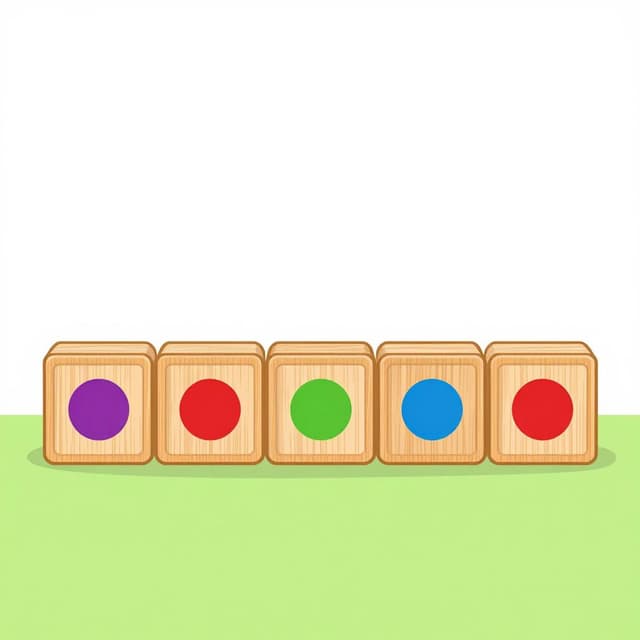
Koniugacja numerar Tryb Subj. przeszły niedokonany
numerar — to number
The imperfect subjunctive (e.g., 'numerara' or 'numerase') is for past hypotheticals, wishes, or doubts.
Formy numerar Tryb Subj. przeszły niedokonany
Kiedy używać Tryb Subj. przeszły niedokonany
Use this tense for things that *might have* happened or were wished for in the past, often in 'if' clauses. For example, 'Si numerara los libros, me ayudarías?' (If you were to number the books, would you help me?).
Uwagi dotyczące numerar w czasie Tryb Subj. przeszły niedokonany
Numerar is regular in the imperfect subjunctive, forming both the -ra and -se endings from the preterite stem. The -ra form is more common.
Przykładowe zdania
Si yo numerara todas las fotos, tendríamos un álbum genial.
If I were to number all the photos, we would have a great album.
yo
Quería que tú numeraras los vasos antes de la fiesta.
I wanted you to number the glasses before the party.
tú
Ojalá ellos numeraran los capítulos correctamente.
I wish they would number the chapters correctly.
ellos/ellas/ustedes
Me pidió que numerara las sillas en orden.
He asked me to number the chairs in order.
él/ella/usted
Częste błędy
Błąd: Using the preterite instead of the imperfect subjunctive for past hypotheticals.
Poprawnie: Use 'Si numerara...' not 'Si numeró...'.
Dlaczego: The subjunctive mood is essential for expressing hypothetical or unreal situations in the past.
Błąd: Confusing the -ra and -se forms.
Poprawnie: While both are correct, the -ra form (e.g., 'numerara') is generally more common in everyday speech.
Dlaczego: Both forms are grammatically valid imperfect subjunctive endings.
Opanuj hiszpańskie czasowniki w kontekście
Zapamiętywanie tabel to dopiero początek. Przeczytaj ponad 200 ilustrowanych i udźwiękowionych hiszpańskich historii, aby zobaczyć czasowniki takie jak 'numerar' używane naturalnie — w czasach, których się uczysz.
Powiązane czasy
Czas teraźniejszy
yo: numero
The present tense (numero, numeras, numera...) is regular and used for current actions or habits.
Czas przeszły prosty
yo: numeré
The preterite of numerar is regular: numeré, numeraste, numeró, numeramos, numerasteis, numeraron.
Czas przeszły niedokonany
yo: numeraba
The imperfect tense (numeraba, numerabas...) is regular and describes ongoing or habitual past actions.
Czas przyszły
yo: numeraré
The future tense (numeraré, numerarás...) is regular, with the infinitive as the stem.
Tryb warunkowy
yo: numeraría
The conditional (numeraría, numerarías...) is regular and used for hypotheticals ('would') or polite requests.
Tryb Subj. teraźniejszy
yo: numere
The present subjunctive (e.g., 'numere', 'numeres') expresses wishes, doubts, or emotions about the present or future.
Tryb rozkazujący (twierdzący)
yo: numera
Use imperative forms like 'numera' (tú) and 'numere' (usted) for direct commands with 'numerar'.
Tryb rozkazujący (przeczący)
yo: no numeres
Negative commands use 'no' plus the present subjunctive, e.g., 'no numeres' (tú) or 'no numere' (usted).