Koniugacja pecar Czas przeszły prosty
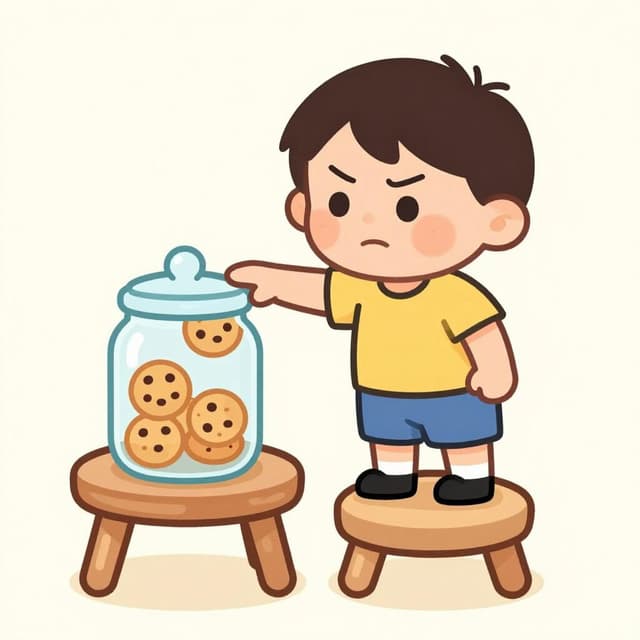
pecar — to sin
The preterite of pecar is regular except for the 'yo' form (pequé), which uses 'qu' to keep the hard 'k' sound.
Formy pecar Czas przeszły prosty
Kiedy używać Czas przeszły prosty
Use the preterite to describe a specific instance in the past when someone sinned or made a mistake (erred).
Uwagi dotyczące pecar w czasie Czas przeszły prosty
Only the 'yo' form is irregular (pequé) due to the orthographic change from 'c' to 'qu'. All other forms are regular.
Przykładowe zdania
Ayer pequé y me comí todo el pastel.
Yesterday I sinned and ate the whole cake.
yo
Él pecó contra sus principios.
He sinned against his principles.
él/ella/usted
Pecamos de confiados en ese negocio.
We erred on the side of being too trusting in that business.
nosotros
Częste błędy
Błąd: Writing 'pecé' for the first person.
Poprawnie: pequé
Dlaczego: The 'c' must change to 'qu' before an 'é' to maintain the pronunciation of the root.
Opanuj hiszpańskie czasowniki w kontekście
Zapamiętywanie tabel to dopiero początek. Przeczytaj ponad 200 ilustrowanych i udźwiękowionych hiszpańskich historii, aby zobaczyć czasowniki takie jak 'pecar' używane naturalnie — w czasach, których się uczysz.
Powiązane czasy
Czas teraźniejszy
yo: peco
The present tense of pecar is fully regular: peco, pecas, peca, pecamos, pecáis, pecan.
Czas przeszły niedokonany
yo: pecaba
The imperfect of pecar is regular: pecaba, pecabas, pecaba, pecábamos, pecabais, pecaban.
Czas przyszły
yo: pecaré
The future tense of pecar is regular: pecaré, pecarás, pecará, pecaremos, pecaréis, pecarán.
Tryb warunkowy
yo: pecaría
The conditional of pecar is regular: pecaría, pecarías, pecaría, pecaríamos, pecaríais, pecarían.
Tryb Subj. teraźniejszy
yo: peque
The present subjunctive of pecar features a c-to-qu spelling change: peque, peques, peque, pequemos, pequéis, pequen.
Tryb Subj. przeszły niedokonany
yo: pecara
The imperfect subjunctive of pecar is regular, built from the third-person plural preterite: pecara, pecaras, pecara, pecáramos, pecarais, pecaran.
Tryb rozkazujący (twierdzący)
yo: peca
The imperative of pecar uses 'peca' (tú) and 'peque' (usted), with the spelling change in formal forms.
Tryb rozkazujący (przeczący)
yo: no peques
The negative imperative of pecar uses the present subjunctive forms: no peques, no peque, no pequemos, no pequéis, no pequen.