Koniugacja peinar Czas przeszły prosty
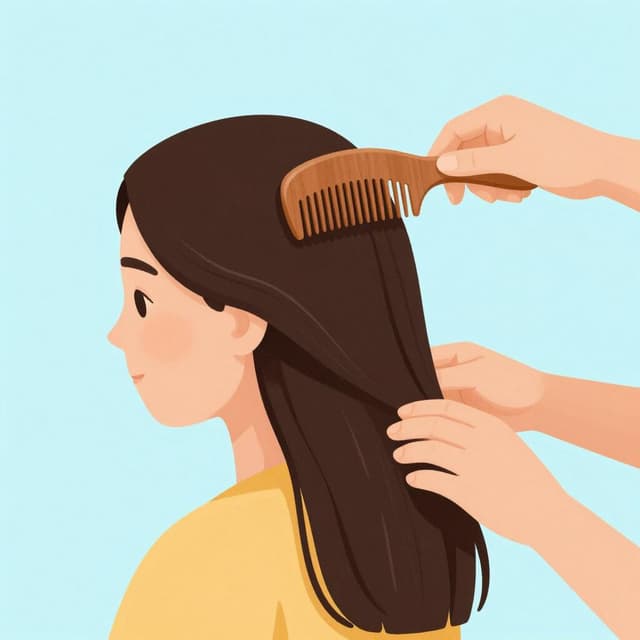
peinar — to comb
Peiné, peinaste, peinó, peinamos, peinasteis, peinaron are the completed past actions for peinar.
Formy peinar Czas przeszły prosty
Kiedy używać Czas przeszły prosty
Use the preterite to describe a completed action in the past, like combing your hair once at a specific time, or finishing the task.
Uwagi dotyczące peinar w czasie Czas przeszły prosty
Peinar is regular in the preterite. All the endings are standard for -ar verbs.
Przykładowe zdania
Me peiné rápidamente antes de la reunión.
I combed my hair quickly before the meeting.
yo
¿Te peinaste con el cepillo nuevo?
Did you comb your hair with the new brush?
tú
Ella se peinó y salió de casa.
She combed her hair and left the house.
él/ella/usted
Nosotros nos peinamos juntos cada mañana.
We combed our hair together every morning.
nosotros
Vosotros os peinasteis para la boda.
You all combed your hair for the wedding.
vosotros
Ellos se peinaron con cuidado.
They combed their hair carefully.
ellos/ellas/ustedes
Częste błędy
Błąd: Using the imperfect 'peinaba' instead of the preterite 'peiné'.
Poprawnie: I combed my hair (once) = Me peiné. I used to comb my hair = Me peinaba.
Dlaczego: The preterite is for a single, completed action, while the imperfect describes habitual or ongoing past actions.
Błąd: Confusing the 'nosotros' preterite 'peinamos' with the present indicative 'peinamos'.
Poprawnie: Context usually clarifies, but 'Ayer nos peinamos' (yesterday we combed) is preterite, while 'Hoy nos peinamos' (today we comb) is present.
Dlaczego: The form is identical, so the surrounding time markers are crucial.
Opanuj hiszpańskie czasowniki w kontekście
Zapamiętywanie tabel to dopiero początek. Przeczytaj ponad 200 ilustrowanych i udźwiękowionych hiszpańskich historii, aby zobaczyć czasowniki takie jak 'peinar' używane naturalnie — w czasach, których się uczysz.
Powiązane czasy
Czas teraźniejszy
yo: peino
Peino, peinas, peina, peinamos, peináis, peinan are used for current actions and habits with peinar.
Czas przeszły niedokonany
yo: peinaba
Peinaba, peinabas, peinaba, peinábamos, peinabais, peinaban describe ongoing or habitual past hair combing.
Czas przyszły
yo: peinaré
Peinaré, peinarás, peinará, peinaremos, peinaréis, peinarán express future actions with peinar.
Tryb warunkowy
yo: peinaría
Peinaría, peinarías, peinaría, peinaríamos, peinaríais, peinarían express hypothetical or polite past actions with peinar.
Tryb Subj. teraźniejszy
yo: peine
Peine, peines, peinemos, peinéis, peinen are the present subjunctive forms of peinar.
Tryb Subj. przeszły niedokonany
yo: peinara
The imperfect subjunctive of peinar has two forms, like peinara/peinase and peinara/peinase.
Tryb rozkazujący (twierdzący)
yo: peina
Peina, peine, peinemos, peinad, peinen are the affirmative commands for peinar.
Tryb rozkazujący (przeczący)
yo: no peines
No peines, no peine, no peinemos, no peinéis, no peinen are the negative commands for peinar.