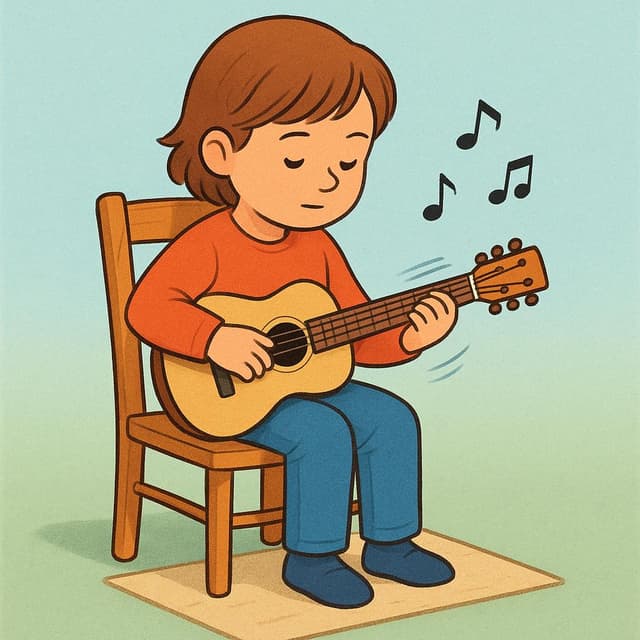
Koniugacja practicar Czas przeszły niedokonany
practicar — to practice
The imperfect of practicar is regular: practicaba, practicabas, practicaba, practicábamos, practicabais, practicaban.
Formy practicar Czas przeszły niedokonany
Kiedy używać Czas przeszły niedokonany
Use this to describe a habit you had in the past (e.g., 'I used to practice') or to set the scene.
Uwagi dotyczące practicar w czasie Czas przeszły niedokonany
This verb is regular in the imperfect. Remember the accent on the 'nosotros' form.
Przykładowe zdania
De niño, practicaba kárate.
As a child, I used to practice karate.
yo
Nosotros practicábamos mucho antes del concierto.
We were practicing a lot before the concert.
nosotros
Ellas practicaban ballet todas las tardes.
They used to practice ballet every afternoon.
ellos/ellas/ustedes
Częste błędy
Błąd: practicabamos
Poprawnie: practicábamos
Dlaczego: All -ar verbs in the imperfect require an accent on the 'á' in the nosotros form.
Opanuj hiszpańskie czasowniki w kontekście
Zapamiętywanie tabel to dopiero początek. Przeczytaj ponad 200 ilustrowanych i udźwiękowionych hiszpańskich historii, aby zobaczyć czasowniki takie jak 'practicar' używane naturalnie — w czasach, których się uczysz.
Powiązane czasy
Czas teraźniejszy
yo: practico
Practicar is a regular -ar verb in the present tense: practico, practicas, practica, etc.
Czas przeszły prosty
yo: practiqué
The preterite of practicar includes a spelling change in the 'yo' form (practiqué) to keep the 'k' sound.
Czas przyszły
yo: practicaré
The future of practicar is formed by adding endings to the infinitive: practicaré, practicarás, practicará.
Tryb warunkowy
yo: practicaría
The conditional uses the infinitive 'practicar' plus endings: practicaría, practicarías, practicaría.
Tryb Subj. teraźniejszy
yo: practique
The present subjunctive of practicar uses 'qu' in all forms: practique, practiques, practique, etc.
Tryb Subj. przeszły niedokonany
yo: practicara
The imperfect subjunctive is built from the 'ellos' preterite: practicara, practicaras, practicara.
Tryb rozkazujący (twierdzący)
yo: practica
Use 'practica' (tú) or 'practique' (usted) to give direct orders to practice.
Tryb rozkazujący (przeczący)
yo: no practiques
Negative commands always use the subjunctive: no practiques, no practique, no practiquemos.