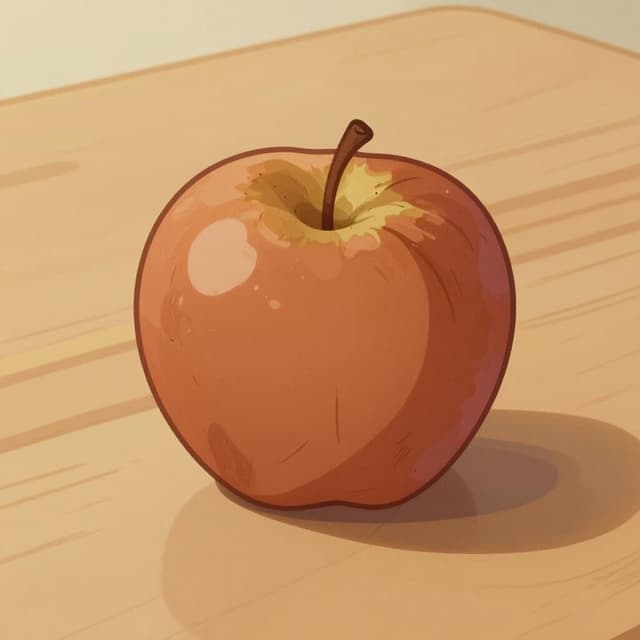
Koniugacja pudrir Czas przeszły niedokonany
pudrir — to rot
The imperfect of pudrir is regular: pudría, pudrías, pudría, pudríamos, pudríais, pudrían.
Formy pudrir Czas przeszły niedokonany
Kiedy używać Czas przeszły niedokonany
Use the imperfect to describe a slow process of decay that was happening in the past or to set the scene.
Uwagi dotyczące pudrir w czasie Czas przeszły niedokonany
Pudrir is regular in the imperfect, following the standard -ía endings for -ir verbs.
Przykładowe zdania
Todo se pudría lentamente en el sótano.
Everything was rotting slowly in the basement.
él/ella/usted
Antes, las hojas se pudrían en el jardín.
Before, the leaves used to rot in the garden.
ellos/ellas/ustedes
Sentíamos cómo se pudría el ambiente.
We felt how the atmosphere was decaying.
él/ella/usted
Częste błędy
Błąd: Confusing 'pudría' with 'podría' (from poder).
Poprawnie: pudría
Dlaczego: Pudría means 'was rotting', while podría means 'could'. The 'u' vs 'o' is critical here.
Opanuj hiszpańskie czasowniki w kontekście
Zapamiętywanie tabel to dopiero początek. Przeczytaj ponad 200 ilustrowanych i udźwiękowionych hiszpańskich historii, aby zobaczyć czasowniki takie jak 'pudrir' używane naturalnie — w czasach, których się uczysz.
Powiązane czasy
Czas teraźniejszy
yo: pudro
The present tense of pudrir is regular: pudro, pudres, pudre, pudrimos, pudrís, pudren.
Czas przeszły prosty
yo: pudrí
The preterite of pudrir is regular: pudrí, pudriste, pudrió, pudrimos, pudristeis, pudrieron.
Czas przyszły
yo: pudriré
The future of pudrir is regular: pudriré, pudrirás, pudrirá, pudriremos, pudriréis, pudrirán.
Tryb warunkowy
yo: pudriría
The conditional of pudrir is regular: pudriría, pudrirías, pudriría, pudriríamos, pudriríais, pudrirían.
Tryb Subj. teraźniejszy
yo: pudra
The present subjunctive of pudrir is regular: pudra, pudras, pudra, pudramos, pudráis, pudran.
Tryb Subj. przeszły niedokonany
yo: pudriera
The imperfect subjunctive of pudrir is regular: pudriera, pudrieras, pudriera, pudriéramos, pudrierais, pudrieran.
Tryb rozkazujący (twierdzący)
yo: pudre
The imperative of pudrir uses: pudre (tú), pudra (usted), pudrid (vosotros), pudran (ustedes).
Tryb rozkazujący (przeczący)
yo: no pudras
The negative imperative of pudrir uses: no pudras (tú), no pudra (usted), no pudráis (vosotros), no pudran (ustedes).