Koniugacja quebrar Czas teraźniejszy
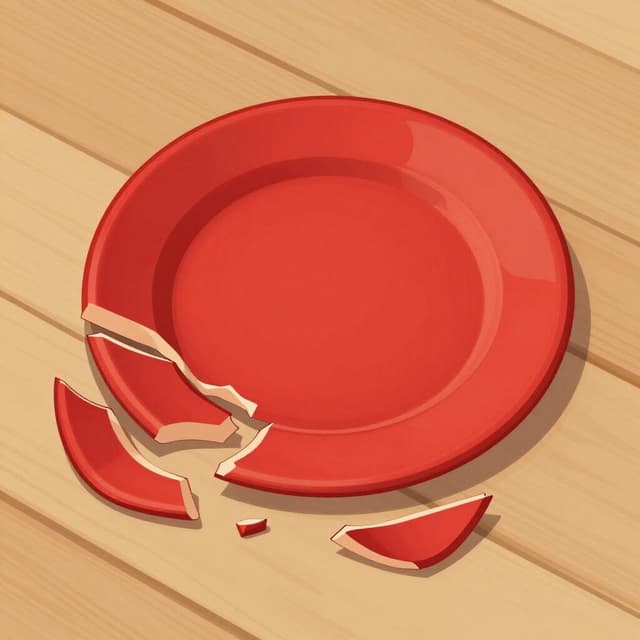
quebrar — to break
Quebrar is a stem-changing verb in the present tense, changing e to ie in all forms except nosotros and vosotros.
Formy quebrar Czas teraźniejszy
Kiedy używać Czas teraźniejszy
Use the present tense to talk about things currently breaking, habits, or the financial status of a company (going bankrupt).
Uwagi dotyczące quebrar w czasie Czas teraźniejszy
This is an e > ie stem-changing verb (boot verb). Note that 'nosotros' (quebramos) and 'vosotros' (quebráis) keep the original 'e'.
Przykładowe zdania
Si doblas el plástico así, se quiebra.
If you bend the plastic like that, it breaks.
él/ella/usted
Yo siempre quiebro las nueces con este martillo.
I always break the walnuts with this hammer.
yo
Muchas empresas quiebran durante las crisis económicas.
Many companies go bankrupt during economic crises.
ellos/ellas/ustedes
Nosotros no quebramos las reglas.
We don't break the rules.
nosotros
Częste błędy
Błąd: Using 'quebro' instead of 'quiebro'.
Poprawnie: quiebro
Dlaczego: Quebrar is a stem-changing verb; the 'e' must change to 'ie' when stressed.
Błąd: Saying 'quiebramos' for the we-form.
Poprawnie: quebramos
Dlaczego: Stem changes never occur in the nosotros or vosotros forms in the present indicative.
Opanuj hiszpańskie czasowniki w kontekście
Zapamiętywanie tabel to dopiero początek. Przeczytaj ponad 200 ilustrowanych i udźwiękowionych hiszpańskich historii, aby zobaczyć czasowniki takie jak 'quebrar' używane naturalnie — w czasach, których się uczysz.
Powiązane czasy
Czas przeszły prosty
yo: quebré
Quebrar is completely regular in the preterite; it does not have a stem change here.
Czas przeszły niedokonany
yo: quebraba
The imperfect of quebrar is regular: quebraba, quebrabas, quebraba, quebrábamos, quebrabais, quebraban.
Czas przyszły
yo: quebraré
The future tense of quebrar is regular: simply add the endings to the infinitive (quebrar-).
Tryb warunkowy
yo: quebraría
The conditional of quebrar is regular: quebraría, quebrarías, quebraría, etc.
Tryb Subj. teraźniejszy
yo: quiebre
The present subjunctive of quebrar follows the e > ie stem change in the same pattern as the present indicative.
Tryb Subj. przeszły niedokonany
yo: quebrara
The imperfect subjunctive of quebrar is regular, derived from the third-person plural preterite 'quebraron'.
Tryb rozkazujący (twierdzący)
yo: quiebra
The imperative of quebrar uses the stem-changed 'quiebra' for tú commands.
Tryb rozkazujący (przeczący)
yo: no quiebres
The negative imperative of quebrar uses the present subjunctive forms preceded by 'no'.