Koniugacja rascar Czas przyszły
rascar — to scratch
The future tense of rascar is regular: rascaré, rascarás, rascará, rascaremos, rascaréis, rascarán.
Formy rascar Czas przyszły
Kiedy używać Czas przyszły
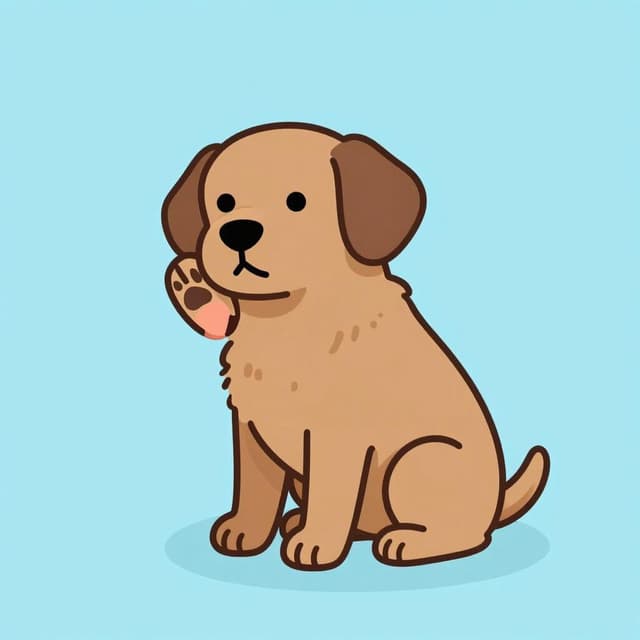
Use it to predict a future action, like saying 'You will scratch that itch eventually' or 'The dog will scratch the door later.'
Uwagi dotyczące rascar w czasie Czas przyszły
Rascar is fully regular in the future. Just add the endings to the infinitive.
Przykładowe zdania
Si pica, te rascarás sin darte cuenta.
If it itches, you will scratch yourself without realizing it.
tú
Mañana rascaremos la pared para quitar el papel.
Tomorrow we will scrape the wall to remove the wallpaper.
nosotros
El niño se rascará la herida si no lo vigilas.
The child will scratch the wound if you don't watch him.
él/ella/usted
Częste błędy
Błąd: Forgetting the accent on the final syllable.
Poprawnie: rascaré, rascarás, etc.
Dlaczego: All future tense endings except 'nosotros' require a written accent to show stress on the last syllable.
Opanuj hiszpańskie czasowniki w kontekście
Zapamiętywanie tabel to dopiero początek. Przeczytaj ponad 200 ilustrowanych i udźwiękowionych hiszpańskich historii, aby zobaczyć czasowniki takie jak 'rascar' używane naturalnie — w czasach, których się uczysz.
Powiązane czasy
Czas teraźniejszy
yo: rasco
The present tense of rascar is completely regular: rasco, rascas, rasca, rascamos, rascáis, rascan.
Czas przeszły prosty
yo: rasqué
The preterite of rascar is regular except for the 'yo' form: rasqué, rascaste, rascó, rascamos, rascasteis, rascaron.
Czas przeszły niedokonany
yo: rascaba
The imperfect of rascar is regular: rascaba, rascabas, rascaba, rascábamos, rascabais, rascaban.
Tryb warunkowy
yo: rascaría
The conditional of rascar is regular: rascaría, rascarías, rascaría, rascaríamos, rascaríais, rascarían.
Tryb Subj. teraźniejszy
yo: rasque
The present subjunctive of rascar features a 'c' to 'qu' spelling change: rasque, rasques, rasque, rasquemos, rasquéis, rasquen.
Tryb Subj. przeszły niedokonany
yo: rascara
The imperfect subjunctive is regular based on the third-person plural preterite: rascara, rascaras, rascara, rascáramos, rascarais, rascaran.
Tryb rozkazujący (twierdzący)
yo: rasca
The affirmative imperative uses 'rasca' (tú) and 'rasque' (usted) with a spelling change in formal forms.
Tryb rozkazujący (przeczący)
yo: no rasques
The negative imperative always uses the present subjunctive: no rasques, no rasque, no rasquemos, no rasquéis, no rasquen.