Koniugacja rebajar Tryb Subj. przeszły niedokonany
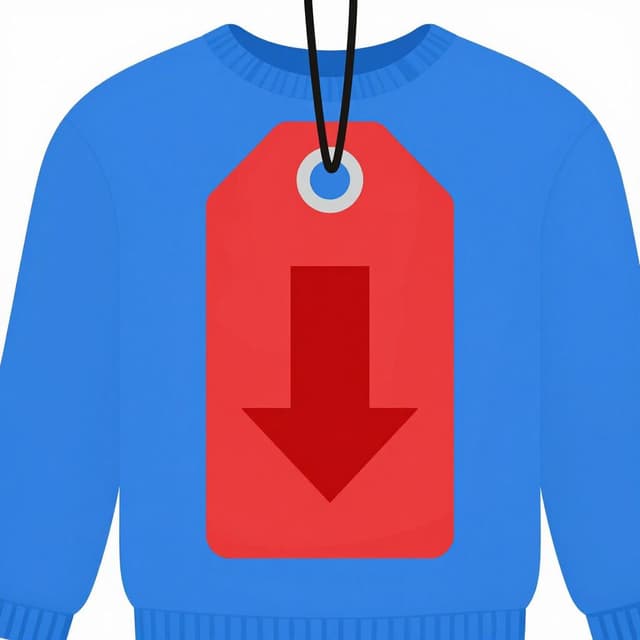
rebajar — to lower
The imperfect subjunctive of rebajar uses -ra or -se endings: rebajara, rebajaras, rebajase, rebajáramos, rebajásemos.
Formy rebajar Tryb Subj. przeszły niedokonany
Kiedy używać Tryb Subj. przeszły niedokonany
The imperfect subjunctive is used for hypothetical situations, wishes, doubts, or emotions in the past. Think of 'if I lowered...' or 'I wish you would lower...'. The -ra form (rebajara) is generally more common than the -se form (rebajase).
Uwagi dotyczące rebajar w czasie Tryb Subj. przeszły niedokonany
Rebajar is regular in the imperfect subjunctive. Both the -ra and -se forms are regular, following the standard conjugation patterns.
Przykładowe zdania
Si yo rebajara el precio, compraría más.
If I lowered the price, I would buy more.
yo
Me gustaría que tú rebajaras tu tono de voz.
I would like you to lower your tone of voice.
tú
Ojalá él rebajase sus expectativas.
Hopefully he would lower his expectations.
él/ella/usted
Si nosotros rebajáramos el presupuesto, podríamos invertir en otra área.
If we lowered the budget, we could invest in another area.
nosotros
Ellos pidieron que ustedes rebajaran los impuestos.
They asked that you (plural) lower the taxes.
ellos/ellas/ustedes
Częste błędy
Błąd: Using the preterite instead of the imperfect subjunctive.
Poprawnie: Use 'rebajara' or 'rebajase' where hypotheticals or past wishes are involved.
Dlaczego: The imperfect subjunctive has a distinct meaning for unreal or hypothetical past conditions.
Błąd: Confusing the -ra and -se forms.
Poprawnie: Both 'rebajara' and 'rebajase' are correct imperfect subjunctive forms, but -ra is more common.
Dlaczego: Learners often stick to one form or incorrectly mix them.
Opanuj hiszpańskie czasowniki w kontekście
Zapamiętywanie tabel to dopiero początek. Przeczytaj ponad 200 ilustrowanych i udźwiękowionych hiszpańskich historii, aby zobaczyć czasowniki takie jak 'rebajar' używane naturalnie — w czasach, których się uczysz.
Powiązane czasy
Czas teraźniejszy
yo: rebajo
The present indicative of rebajar is regular: rebajo, rebajas, rebaja, rebajamos, rebajáis, rebajan.
Czas przeszły prosty
yo: rebajé
The preterite of rebajar is regular: rebajé, rebajaste, rebajó, rebajamos, rebajasteis, rebajaron.
Czas przeszły niedokonany
yo: rebajaba
The imperfect of rebajar is regular: rebajaba, rebajabas, rebajaba, rebajábamos, rebajabais, rebajaban.
Czas przyszły
yo: rebajaré
The future of rebajar is regular: rebajaré, rebajarás, rebajará, rebajaremos, rebajaréis, rebajarán.
Tryb warunkowy
yo: rebajaría
The conditional of rebajar is regular: rebajaría, rebajarías, rebajaría, rebajaríamos, rebajaríais, rebajarían.
Tryb Subj. teraźniejszy
yo: rebaje
The present subjunctive of rebajar is regular: rebaje, rebajes, rebajemos, rebajéis, rebajen.
Tryb rozkazujący (twierdzący)
yo: rebaja
The imperative of rebajar is irregular in the tú form (rebaja) but regular in others: rebajemos, rebajen, rebajad, rebaje.
Tryb rozkazujący (przeczący)
yo: no rebajes
Negative commands use 'no' plus the present subjunctive: no rebajes, no rebajemos, no rebajen, no rebajéis, no rebaje.