Koniugacja sancionar Tryb Subj. przeszły niedokonany
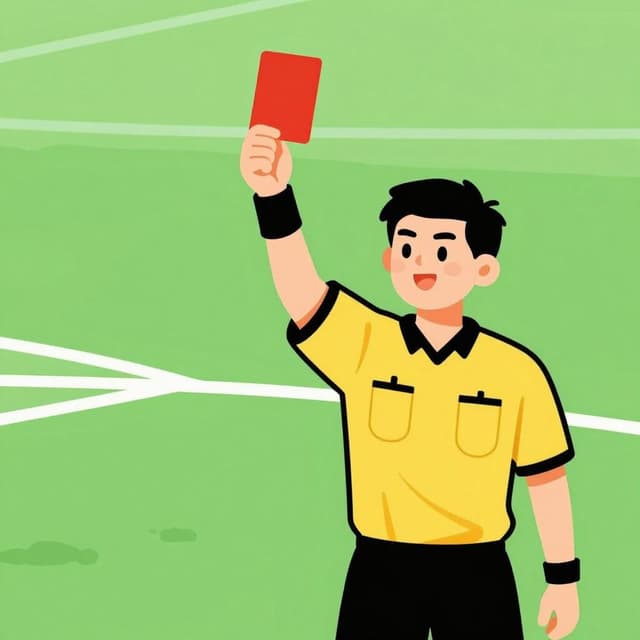
sancionar — to penalize
The imperfect subjunctive of sancionar expresses past hypothetical situations or wishes: sancionara, sancionaras, sancionara, sancionáramos, sancionarais, sancionaran.
Formy sancionar Tryb Subj. przeszły niedokonany
Kiedy używać Tryb Subj. przeszły niedokonany
This tense is for hypothetical situations in the past, often in 'if' clauses, or to express wishes or doubts about past events. It's also used to politely ask someone to do something.
Uwagi dotyczące sancionar w czasie Tryb Subj. przeszły niedokonany
Sancionar is regular in the imperfect subjunctive. Both the -ra and -se endings are correct, but the -ra form is more common in everyday speech.
Przykładowe zdania
Si yo sancionara la regla, todos estarían molestos.
If I were to penalize the rule, everyone would be upset.
yo
Me gustaría que tú sancionaras la propuesta.
I would like you to penalize the proposal.
tú
Él actuaría de otra forma si ella sancionara la injusticia.
He would act differently if she penalized the injustice.
él/ella/usted
Ojalá nosotros sancionáramos las malas prácticas.
Hopefully, we would penalize the bad practices.
nosotros
Ellos habrían ayudado si el gobierno sancionara la ley.
They would have helped if the government had sanctioned the law.
ellos/ellas/ustedes
Częste błędy
Błąd: Using the preterite instead of the imperfect subjunctive in 'if' clauses.
Poprawnie: For hypothetical past situations, use the imperfect subjunctive (e.g., 'si sancionara').
Dlaczego: The imperfect subjunctive sets up a hypothetical or contrary-to-fact condition.
Błąd: Confusing the -ra and -se forms.
Poprawnie: Both 'sancionara' and 'sancionase' are correct, but 'sancionara' is generally more common.
Dlaczego: Learners might be unsure which ending to use or which is preferred.
Opanuj hiszpańskie czasowniki w kontekście
Zapamiętywanie tabel to dopiero początek. Przeczytaj ponad 200 ilustrowanych i udźwiękowionych hiszpańskich historii, aby zobaczyć czasowniki takie jak 'sancionar' używane naturalnie — w czasach, których się uczysz.
Powiązane czasy
Czas teraźniejszy
yo: sanciono
The present tense of sancionar describes current actions or general truths: sanciono, sancionas, sanciona, sancionamos, sancionáis, sancionan.
Czas przeszły prosty
yo: sancioné
The preterite of sancionar indicates completed past actions: sancioné, sancionaste, sancionó, sancionamos, sancionasteis, sancionaron.
Czas przeszły niedokonany
yo: sancionaba
The imperfect of sancionar describes ongoing or habitual past actions: sancionaba, sancionabas, sancionaba, sancionábamos, sancionabais, sancionaban.
Czas przyszły
yo: sancionaré
The future tense of sancionar indicates future actions: sancionaré, sancionarás, sancionará, sancionaremos, sancionaréis, sancionarán.
Tryb warunkowy
yo: sancionaría
The conditional of sancionar expresses hypothetical results, polite requests, or future-in-the-past: sancionaría, sancionarías, sancionaría, sancionaríamos, sancionaríais, sancionarían.
Tryb Subj. teraźniejszy
yo: sancione
The present subjunctive of sancionar is used for wishes, doubts, emotions, and after impersonal expressions: sancione, sanciones, sancione, sancionemos, sancionen, sancionéis.
Tryb rozkazujący (twierdzący)
yo: sanciona
The imperative of sancionar gives direct commands: sanciona (tú), sancione (usted), sancionemos (nosotros), sancionen (ustedes), sancionad (vosotros).
Tryb rozkazujący (przeczący)
yo: no sanciones
Negative commands for sancionar use the present subjunctive: no sanciones (tú), no sancione (usted), no sancionemos (nosotros), no sancionen (ustedes), no sancionéis (vosotros).