Koniugacja sembrar Czas przeszły prosty
sembrar — to sow
Sembrar is completely regular in the preterite: sembré, sembraste, sembró.
Formy sembrar Czas przeszły prosty
Kiedy używać Czas przeszły prosty
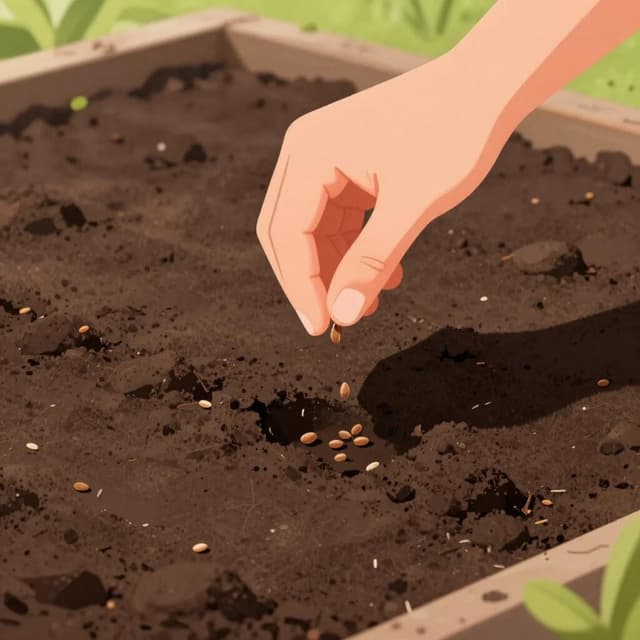
Use the preterite to describe the specific moment the seeds were put into the ground or a completed planting project.
Uwagi dotyczące sembrar w czasie Czas przeszły prosty
Sembrar is regular in the preterite. The e-to-ie stem change from the present tense does NOT happen here.
Przykładowe zdania
Ayer sembré las flores en el patio.
Yesterday I sowed the flowers in the patio.
yo
¿Sembraste las zanahorias el fin de semana?
Did you sow the carrots over the weekend?
tú
El agricultor sembró el campo la semana pasada.
The farmer sowed the field last week.
él/ella/usted
Częste błędy
Błąd: Using 'siembré' instead of 'sembré'.
Poprawnie: Sembré
Dlaczego: The stem change only occurs in the present; the preterite keeps the original 'e'.
Opanuj hiszpańskie czasowniki w kontekście
Zapamiętywanie tabel to dopiero początek. Przeczytaj ponad 200 ilustrowanych i udźwiękowionych hiszpańskich historii, aby zobaczyć czasowniki takie jak 'sembrar' używane naturalnie — w czasach, których się uczysz.
Powiązane czasy
Czas teraźniejszy
yo: siembro
Sembrar has an e-to-ie stem change in all forms except nosotros and vosotros.
Czas przeszły niedokonany
yo: sembraba
Sembrar is regular in the imperfect: sembraba, sembrabas, sembraba.
Czas przyszły
yo: sembraré
Sembrar is regular in the future: sembraré, sembrarás, sembrará.
Tryb warunkowy
yo: sembraría
Sembrar is regular in the conditional: sembraría, sembrarías, sembraría.
Tryb Subj. teraźniejszy
yo: siembre
The present subjunctive follows the stem change: siembre, siembres, siembre, sembremos.
Tryb Subj. przeszły niedokonany
yo: sembrara
The imperfect subjunctive is regular: sembrara, sembraras, sembrara.
Tryb rozkazujący (twierdzący)
yo: siembra
Use 'siembra' (tú) or 'siembren' (ustedes) to give direct orders to plant.
Tryb rozkazujący (przeczący)
yo: no siembres
The negative imperative uses the present subjunctive: no siembres, no siembre.