Koniugacja soñar Czas przeszły niedokonany
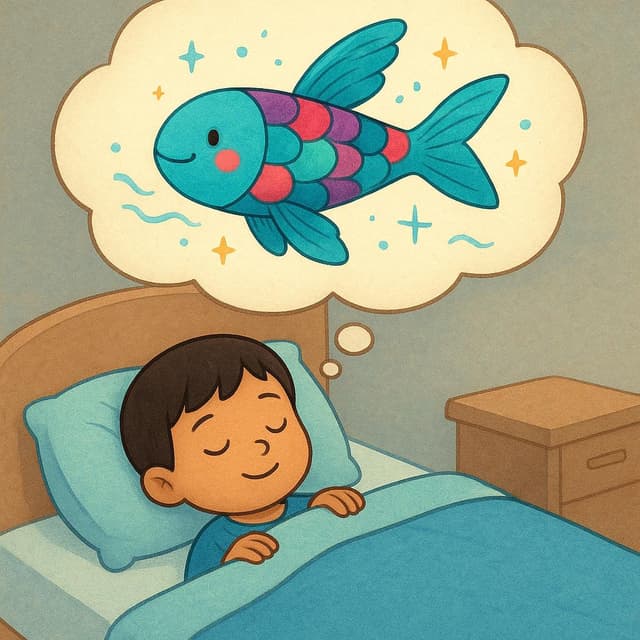
soñar — to dream
The imperfect of soñar is regular: soñaba, soñabas, soñaba, soñábamos, soñabais, soñaban.
Formy soñar Czas przeszły niedokonany
Kiedy używać Czas przeszły niedokonany
Use the imperfect to describe recurring dreams you had as a child or ongoing aspirations in the past without a specific end.
Uwagi dotyczące soñar w czasie Czas przeszły niedokonany
Soñar is regular in the imperfect. It uses the standard -aba endings for -ar verbs.
Przykładowe zdania
De niño, yo soñaba con ser astronauta.
As a child, I used to dream of being an astronaut.
yo
Siempre soñábamos con vivir en la playa.
We always used to dream of living at the beach.
nosotros
Ella soñaba mientras dormía la siesta.
She was dreaming while she was napping.
él/ella/usted
Częste błędy
Błąd: soñabamos
Poprawnie: soñábamos
Dlaczego: The nosotros form of the imperfect always requires an accent mark on the first 'a'.
Opanuj hiszpańskie czasowniki w kontekście
Zapamiętywanie tabel to dopiero początek. Przeczytaj ponad 200 ilustrowanych i udźwiękowionych hiszpańskich historii, aby zobaczyć czasowniki takie jak 'soñar' używane naturalnie — w czasach, których się uczysz.
Powiązane czasy
Czas teraźniejszy
yo: sueño
Soñar is a stem-changing verb where the 'o' becomes 'ue' in all forms except nosotros and vosotros.
Czas przeszły prosty
yo: soñé
The preterite of soñar is regular: soñé, soñaste, soñó, soñamos, soñasteis, soñaron.
Czas przyszły
yo: soñaré
The future of soñar is regular: soñaré, soñarás, soñará, soñaremos, soñaréis, soñarán.
Tryb warunkowy
yo: soñaría
The conditional of soñar is regular: soñaría, soñarías, soñaría, soñaríamos, soñaríais, soñarían.
Tryb Subj. teraźniejszy
yo: sueñe
In the present subjunctive, soñar keeps its 'o to ue' stem change in the same pattern as the present indicative.
Tryb Subj. przeszły niedokonany
yo: soñara
The imperfect subjunctive of soñar is regular: soñara, soñaras, soñara, soñáramos, soñarais, soñaran.
Tryb rozkazujący (twierdzący)
yo: sueña
The imperative uses 'sueña' for tú and 'soñad' for vosotros.
Tryb rozkazujący (przeczący)
yo: no sueñes
The negative imperative uses the present subjunctive forms: no sueñes, no sueñe, no soñemos, no soñéis, no sueñen.