How to Say "you heard" in Spanish
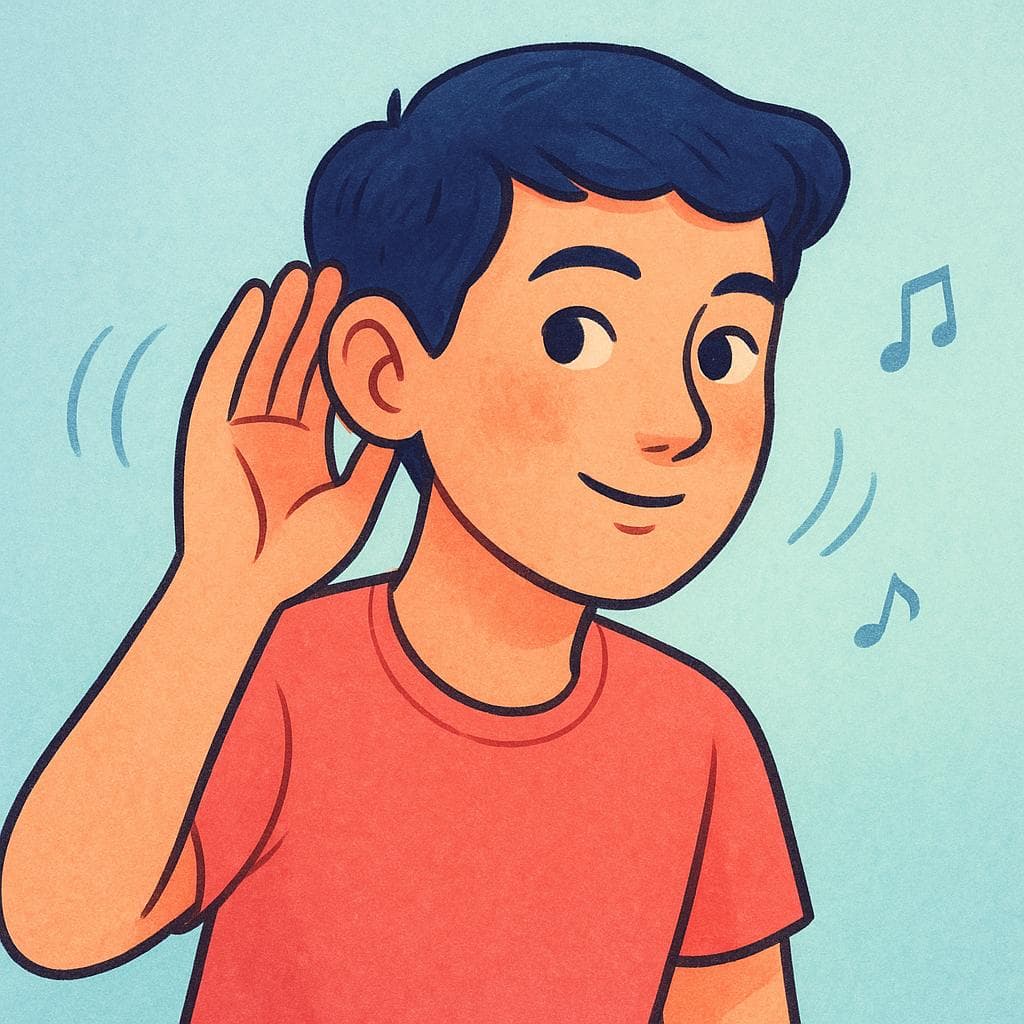
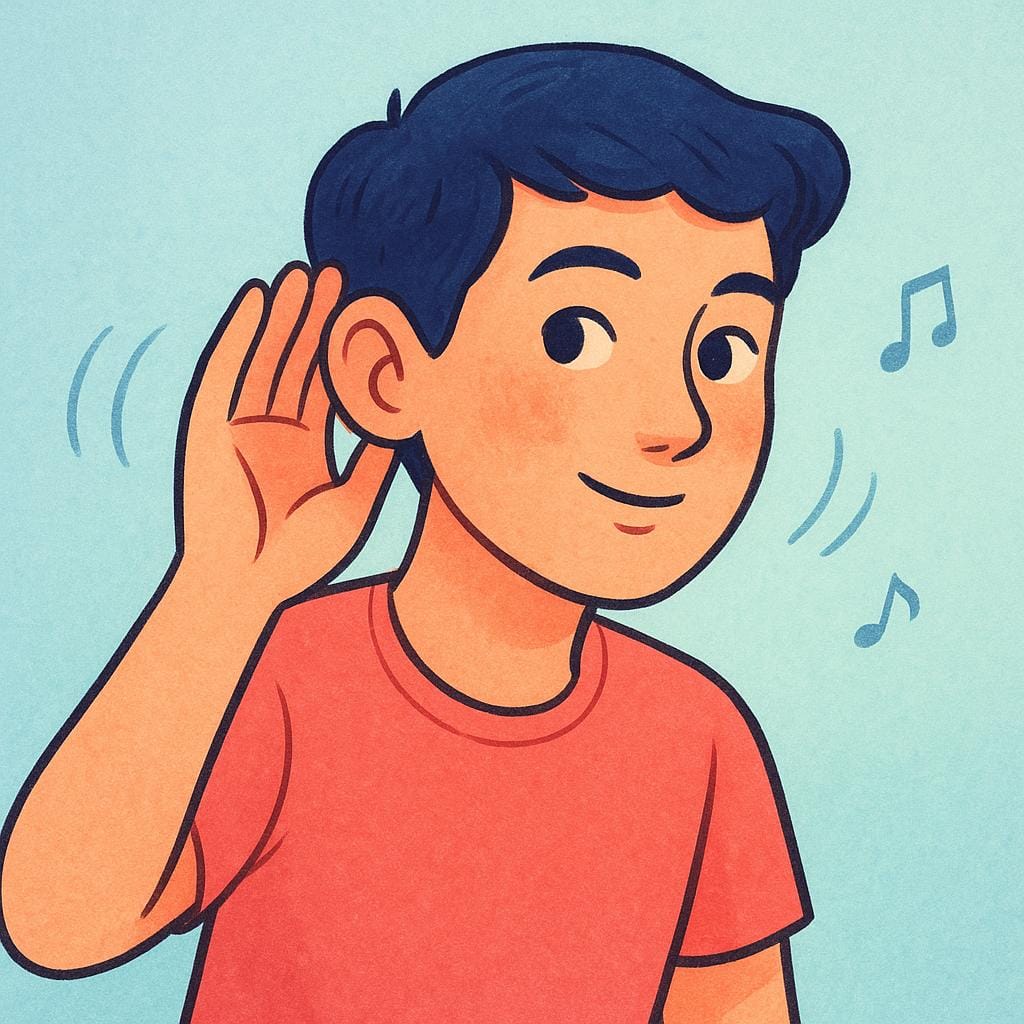
The most common Spanish word for “you heard” is “escuchaste” — use 'escuchaste' when the act of listening was intentional or required concentration, like paying attention to instructions or a conversation.
escuchaste
es-koo-CHAS-tayes.kuˈtʃas.te
Examples
¿Escuchaste lo que dijo el profesor?
Did you listen to what the teacher said?
Dijiste que escuchaste la canción nueva.
You said that you heard the new song.
Llegué tarde porque no escuchaste mi alarma.
I was late because you didn't hear my alarm.
The 'Tú' Past Action
This form, 'escuchaste', is the 'tú' version of the simple past tense, used for actions that started and finished completely at a specific time (e.g., yesterday, last week).
Regular -AR Verb Pattern
Since 'escuchar' ends in -ar, the 'tú' simple past form always ends in -aste, just like 'hablaste' (you spoke) or 'cantaste' (you sang).
Past Tense Confusion
Mistake: “¿Escuchabas la música?”
Correction: ¿Escuchaste la música? 'Escuchabas' implies you were listening repeatedly or continuously, while 'escuchaste' refers to a single, completed moment.
Listening vs. Hearing
Mistake: “No te oíste.”
Correction: No te escuchaste. While 'oír' means 'to hear' (the sound entered your ear), 'escuchar' means 'to listen' (you paid attention). Use 'escuchaste' when intent was involved.
oíste
Examples
¿Oíste ese ruido anoche?
Did you hear that noise last night?
Active Listening vs. Perceiving Sound
Related Translations
Learn Spanish with Inklingo
Interactive stories, personalized learning, and more.