haberتصريف
haber يعني أن يكون قد.
جداول التصريف الكاملة
ارجع إلى جميع الأزمنة والصيغ
Indicative
Present
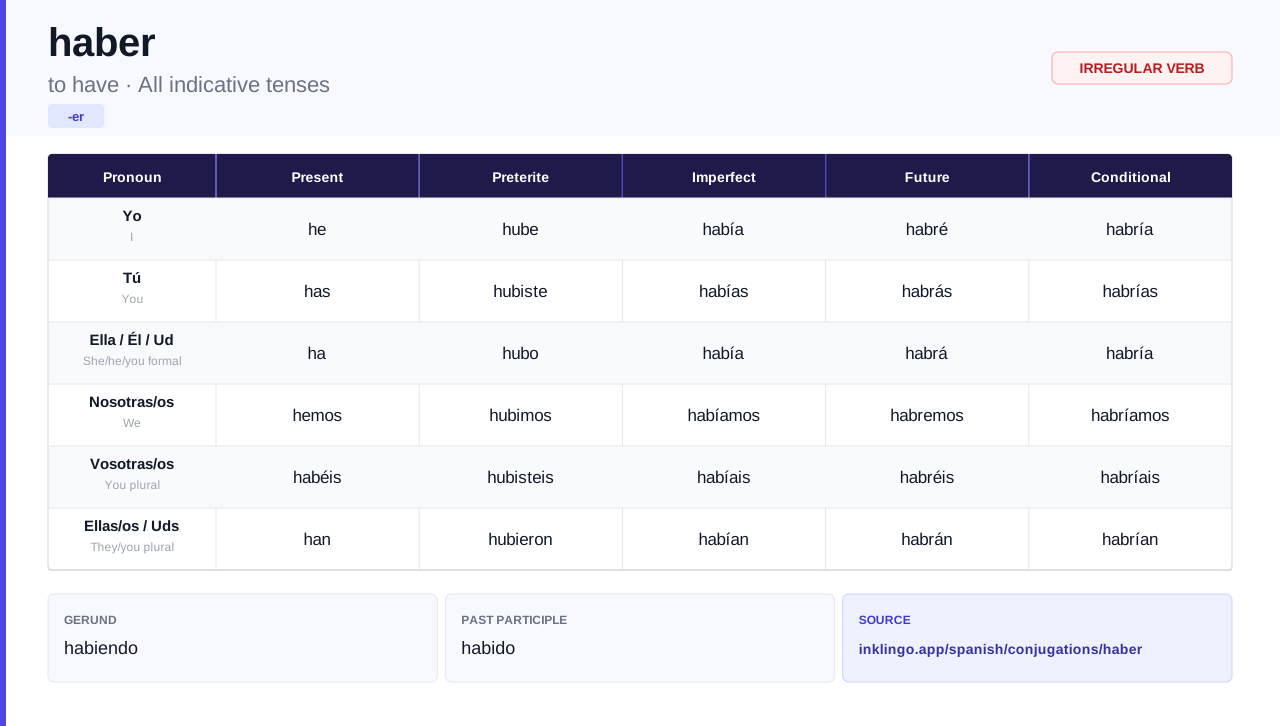
الفعل 'haber' غير منتظم للغاية في صيغة المضارع: he, has, ha/hay, hemos, habéis, han.
Future
صيغة المستقبل للفعل 'haber' تستخدم الجذر غير المنتظم 'habr-': habré, habrás, habrá, habremos, habréis, habrán.
Imperfect
صيغة الماضي الناقص للفعل 'haber' منتظمة كفعل ينتهي بـ '-er': había, habías, había, habíamos, habíais, habían.
Conditional
صيغة الشرط تستخدم الجذر غير المنتظم 'habr-': habría, habrías, habría, habríamos, habríais, habrían.
Preterite
صيغة الماضي البسيط للفعل 'haber' تستخدم الجذر غير المنتظم 'hub-': hube, hubiste, hubo, hubimos, hubisteis, hubieron.
Imperative
Negative Imperative
صيغة الأمر المنفي للفعل 'haber' تستخدم صيغة المضارع المنصوب: no haya, no hayas, etc.
Imperative
صيغة الأمر من الفعل 'haber' نادراً ما تُستخدم في الإسبانية الحديثة.
Subjunctive
Present Subjunctive
صيغة المضارع المنصوب للفعل 'haber' غير منتظمة: haya, hayas, haya, hayamos, hayáis, hayan.
Imperfect Subjunctive
صيغة الماضي الناقص المنصوب تستخدم الجذر 'hubier-': hubiera, hubieras, hubiera, hubiéramos, hubierais, hubieran.
تدرب على التصريفات
اختبر معرفتك بتمارين تفاعلية
انتقل بـ haber من الجداول إلى الإسبانية الحقيقية
جداول التصريف هي البداية. اقرأ أكثر من 200 قصة إسبانية مصورة ومعلّقة لرؤية 'haber' أثناء العمل في جمل حقيقية — وابنِ الغريزة التي يمتلكها الناطقون الأصليون.
أسئلة متكررة
ماذا يعني haber باللغة الإسبانية؟
haber تعني "أن يكون قد".
هل haber فعل منتظم أم شاذ؟
haber هو فعل irregular -er في اللغة الإسبانية.
كيف تصرف haber في زمن المضارع؟
زمن المضارع لـ haber هو: yo he, tú has, él/ella/usted ha, nosotros hemos, vosotros habéis, ellos/ellas/ustedes han.
كيف تصرف haber في الماضي البسيط (preterite)؟
الماضي البسيط لـ haber هو: yo hube, tú hubiste, él/ella/usted hubo, nosotros hubimos, vosotros hubisteis, ellos/ellas/ustedes hubieron.