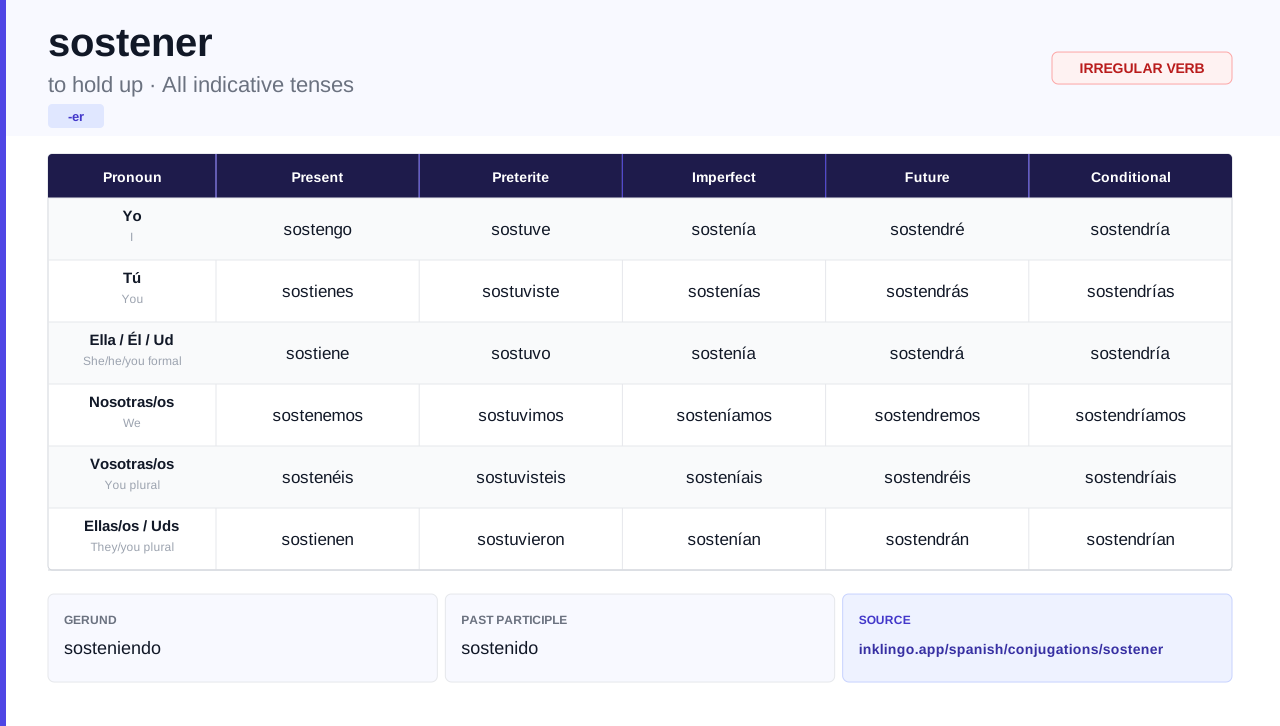
sostenerKonjugation
sostener bedeutet hochhalten.
Vollständige Konjugationstabellen
Alle Zeiten und Modi als Nachschlagewerk
Subjunctive
Imperfect Subjunctive
Der Imperfect Subjuntivo verwendet den Stamm 'sostuv-': sostuviera, sostuvieras, sostuviera, sostuviéramos, sostuvierais, sostuvieran.
Present Subjunctive
Der Present Subjuntivo basiert auf dem Stamm 'sosteng-': sostenga, sostengas, sostenga, sostengamos, sostengáis, sostengan.
Imperative
Imperative
Der informelle Befehl ist 'sostén'; andere verwenden den Stamm 'sosteng-'.
Negative Imperative
Negative Befehle verwenden immer die Formen des Present Subjuntivo: no sostengas, no sostenga, no sostengamos, no sostengáis, no sostengan.
Indicative
Imperfect
Sostener ist im Imperfect regelmäßig: sostenía, sostenías, sostenía, sosteníamos, sosteníais, sostenían.
Conditional
Der Konditional verwendet den Stamm 'sostend-': sostendría, sostendrías, sostendría, sostendríamos, sostendríais, sostendrían.
Present
Sostener folgt dem 'tener'-Muster: es hat ein 'go' in der yo-Form und eine Stammvokaländerung (e zu ie) für die meisten anderen Formen.
Preterite
Sostener verwendet den unregelmäßigen 'uv'-Stamm: sostuve, sostuviste, sostuvo, sostuvimos, sostuvisteis, sostuvieron.
Future
Sostener fügt dem Stamm ein 'd' hinzu: sostendré, sostendrás, sostendrá, sostendremos, sostendréis, sostendrán.
Konjugationen üben
Teste dein Wissen mit interaktiven Übungen
Bring sostener von Tabellen ins echte Spanisch
Konjugationstabellen sind nur der Anfang. Lies über 200 illustrierte und vertonte spanische Geschichten und sieh 'sostener' in echten Sätzen in Aktion — und entwickle das Sprachgefühl, das Muttersprachler haben.
Häufig gestellte Fragen
Was bedeutet sostener auf Spanisch?
sostener bedeutet „hochhalten“.
Ist sostener ein regelmäßiges oder unregelmäßiges Verb?
sostener ist ein irregular -er-Verb im Spanischen.
Wie konjugiert man sostener im Präsens?
Das Präsens von sostener ist: yo sostengo, tú sostienes, él/ella/usted sostiene, nosotros sostenemos, vosotros sostenéis, ellos/ellas/ustedes sostienen.
Wie konjugiert man sostener im Präteritum (Vergangenheit)?
Das Präteritum von sostener ist: yo sostuve, tú sostuviste, él/ella/usted sostuvo, nosotros sostuvimos, vosotros sostuvisteis, ellos/ellas/ustedes sostuvieron.
sostener Konjugations-Spickzettel