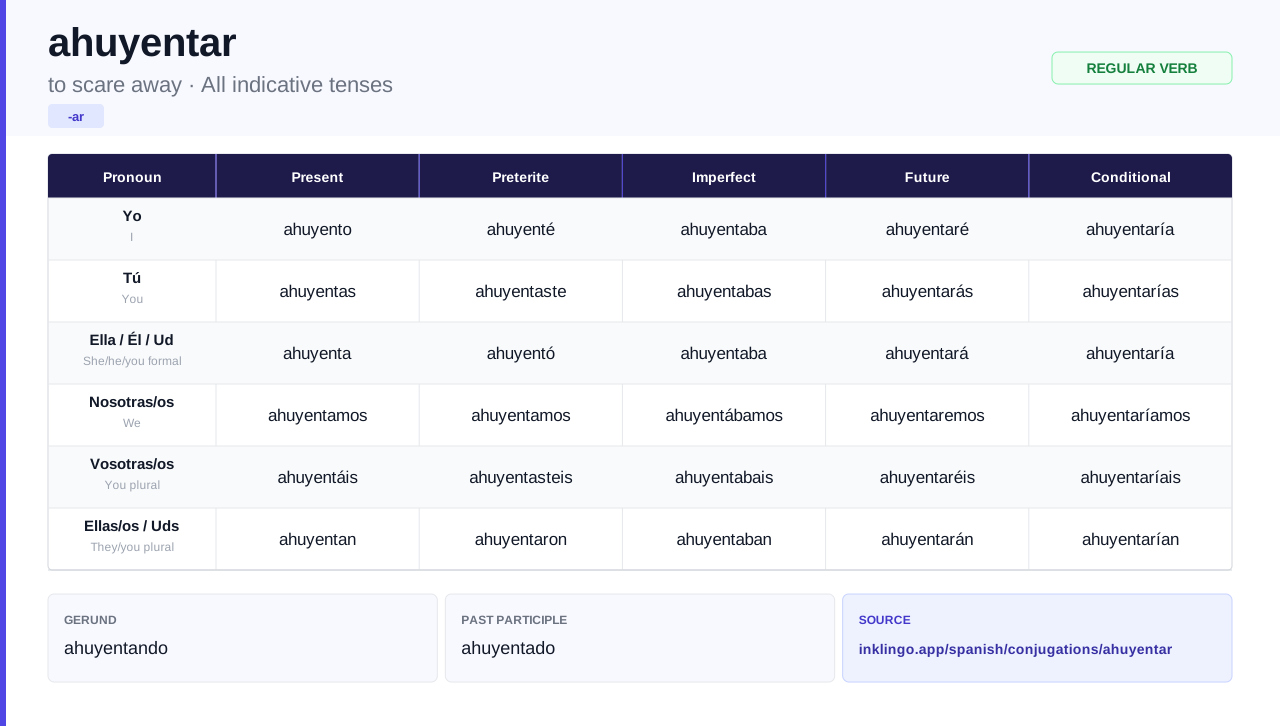
완전한 활용표
모든 시제와 법 참조
Subjunctive
Imperfect Subjunctive
ahuyentar의 과거 접속법은 과거의 가정, 소망 또는 의심에 사용됩니다 (ahuyentara/ahuyentase).
Present Subjunctive
ahuyentar의 현재 접속법은 소망, 의심, 감정, 불확실성을 나타내는 표현 뒤에 사용됩니다 (ahuyente, ahuyentes 등).
Imperative
Negative Imperative
ahuyentar의 부정 명령은 'no'와 함께 현재 접속법을 사용합니다.
Imperative
ahuyentar의 명령법은 tú 형태(ahuyenta)는 규칙적이지만, 다른 형태는 접속법을 사용합니다.
Indicative
Conditional
ahuyentar의 조건법은 규칙적이며, 가정적인 상황이나 공손한 요청에 사용됩니다 (ahuyentaría, ahuyentarías 등).
Preterite
ahuyentar의 단순과거 시제는 규칙적이며, 특정 시점에 해충을 쫓아내는 것과 같은 완료된 행동에 사용됩니다.
Imperfect
ahuyentar의 반과거 시제는 과거의 습관이나 진행 중인 행동을 묘사하며, 예를 들어 동물을 정기적으로 쫓아내는 것을 나타냅니다 (ahuyentaba, ahuyentabas 등).
Present
ahuyentar의 현재 시제는 현재 행동이나 습관적인 행동을 묘사합니다 (ahuyento, ahuyentas 등).
Future
ahuyentar의 미래 시제는 규칙적이며, 예측이나 확실한 미래 행동에 사용됩니다 (ahuyentaré, ahuyentarás 등).
활용 연습
대화형 연습으로 지식 테스트
ahuyentar를 표에서 실제 스페인어로
활용표는 시작일 뿐입니다. 200개 이상의 삽화 및 음성 지원 스페인어 이야기를 읽고 실제 문장에서 'ahuyentar'가 사용되는 것을 보고 원어민처럼 본능을 기르세요.
자주 묻는 질문
ahuyentar는 스페인어로 무슨 뜻인가요?
ahuyentar는 "쫓아내다"을(를) 의미합니다.
ahuyentar는 규칙 동사인가요, 불규칙 동사인가요?
ahuyentar는 스페인어에서 regular -ar 동사입니다.
ahuyentar를 현재 시제로 어떻게 변화시키나요?
ahuyentar의 현재 시제는 다음과 같습니다: yo ahuyento, tú ahuyentas, él/ella/usted ahuyenta, nosotros ahuyentamos, vosotros ahuyentáis, ellos/ellas/ustedes ahuyentan.
ahuyentar를 단순 과거(과거 시제)로 어떻게 변화시키나요?
ahuyentar의 단순 과거는 다음과 같습니다: yo ahuyenté, tú ahuyentaste, él/ella/usted ahuyentó, nosotros ahuyentamos, vosotros ahuyentasteis, ellos/ellas/ustedes ahuyentaron.