Spanish Phone Call Phrases
번역, 맥락, 사용 예시와 함께 전화 통화를 위한 필수 스페인어 구문 6개를 마스터하세요
스페인어 전화 통화 구문 이해하기
Master telephone conversations in Spanish with phrases for answering, making calls, taking messages, and professional phone etiquette. Navigate business and personal calls confidently.
이 구문들을 언제 사용해야 할까요?
Phone etiquette varies by country. "¿Aló?" common in Latin America, "¿Diga?" or "¿Dígame?" in Spain. Identify yourself early. Use "usted" unless caller indicates otherwise. Speaking louder/slower is normal on phones.
전화 통화 구문 학습 팁
- Answer: "¿Aló?" "¿Bueno?" "¿Diga?" (varies by country)
- Identify: "Habla [name]" (This is [name] speaking), "Soy [name]"
- Ask for: "¿Está [name]?" (Is [name] there?), "¿Puedo hablar con...?" (May I speak with...?)
- Messages: "¿Puedo dejar un mensaje?" (Can I leave a message?)
필수 전화 통화 구문
전화 통화 상황에 자주 사용되는 표현부터 시작하세요





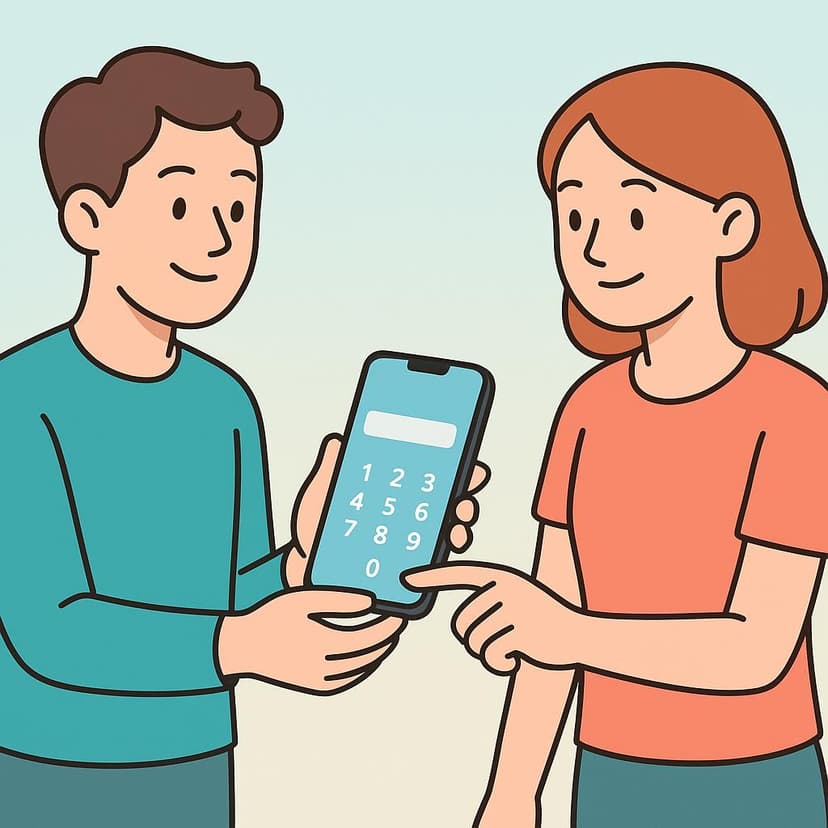
전체 전화 통화 구문 목록





스페인어 전화 통화 구문에 대한 자주 묻는 질문
How do you answer the phone in Spanish?
Varies by country: "¿Aló?" (most Latin America), "¿Bueno?" (Mexico), "¿Hola?" (some countries), "¿Diga?" or "¿Dígame?" (Spain). Business: "[Company name], buenos días/tardes" or "Habla [name]" (This is [name] speaking).
How do you make a phone call in Spanish?
Ask for person: "¿Está [name]?" (Is [name] there?), "¿Puedo hablar con [name]?" (May I speak with [name]?), "¿Se encuentra [name]?" (Is [name] available?). Identify: "Habla [name]" (This is [name]), "Soy [name]" (I'm [name]), "Le llamo de..." (I'm calling from...).
What do you say when the connection is bad in Spanish?
"No te escucho bien" (I can't hear you well), "Se corta la llamada" (The call is cutting out), "Hay interferencia" (There's interference), "¿Me oyes?" (Can you hear me?), "Te llamo después" (I'll call you later), "Voy a colgar y te llamo de nuevo" (I'll hang up and call you back).
스페인어 구문 학습에 대해 더 궁금한 점이 있으신가요? 전체 구문 가이드 찾아보기 or 학습 자료 탐색하기.
모든 스페인어 구문 카테고리 찾아보기
더 많은 스페인어 구문을 마스터할 준비가 되셨나요?
카테고리, 상황, 난이도별로 정리된 스페인어 구문 전체 컬렉션을 찾아보세요. 초급부터 고급 학습자까지 완벽합니다.
모든 스페인어 구문 보기 →