plasmarVervoeging
plasmar means vormgeven aan.
Volledige vervoegingstabellen
Naslagwerk voor alle tijden en modi
Subjunctive
Imperfect Subjunctive
De imperfectum conjunctief van plasmar (plasmara/plasmase) wordt gebruikt voor hypothetische situaties in het verleden, wensen of beleefde verzoeken.
Present Subjunctive
De presentum conjunctief van plasmar (plasme, plasmes, plasmemos, etc.) wordt gebruikt voor wensen, twijfels, emoties en onzekerheid.
Imperative
Negative Imperative
Negatieve geboden voor 'plasmar' gebruiken de tegenwoordige tijd conjunctief: no plasmes (tú), no plasme (usted), no plasmemos (nosotros), no plasméis (vosotros), no plasmen (ustedes).
Imperative
Geboden met 'plasmar' gebruiken plasma (tú), plasme (usted), plasmemos (nosotros), plasmad (vosotros), plasmen (ustedes).
Indicative
Conditional
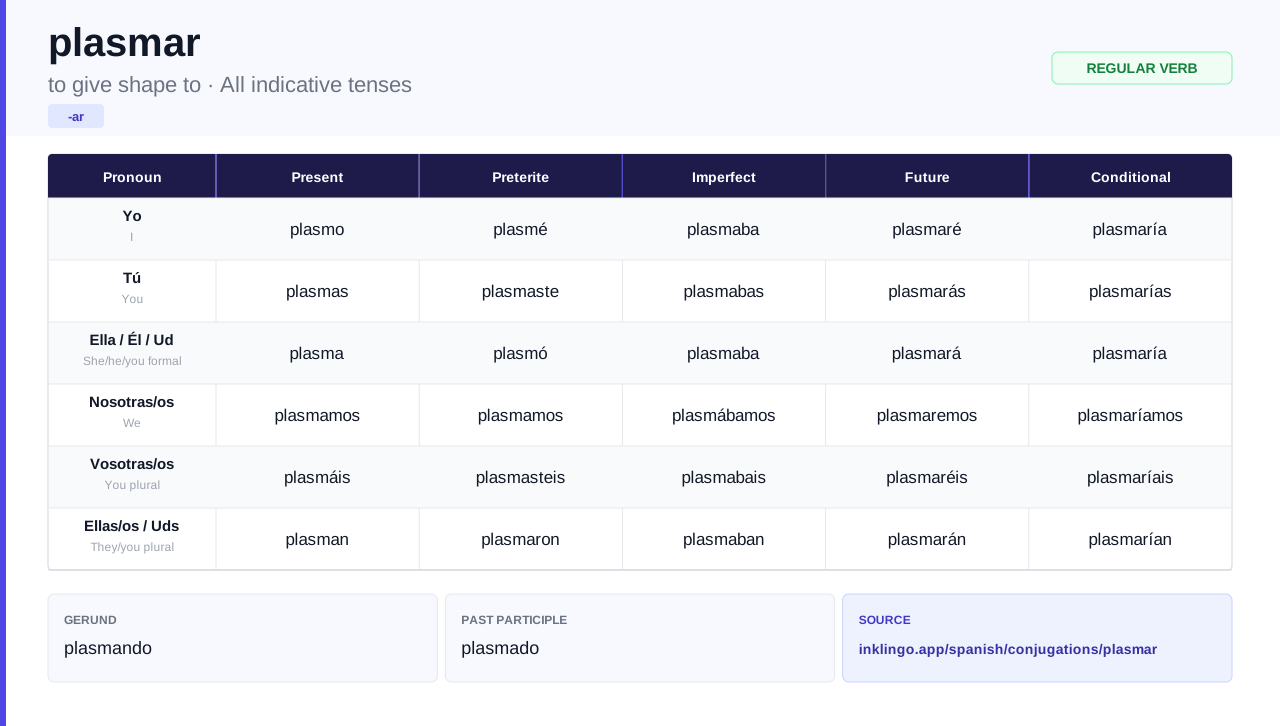
De conditionele tijd van plasmar is regelmatig: plasmaría, plasmarías, plasmaría, plasmaríamos, plasmaríais, plasmarían.
Preterite
Plasmar is regelmatig in de preteritum: plasmé, plasmaste, plasmó, plasmamos, plasmásteis, plasmaron.
Imperfect
Plasmar is regelmatig in de imperfectum indicatief: plasmaba, plasmabas, plasmaba, plasmábamos, plasmabais, plasmaban.
Present
Plasmar is regelmatig in de presentum indicatief: plasmo, plasmas, plasma, plasmamos, plasmáis, plasman.
Future
De toekomende tijd van plasmar is regelmatig: plasmaré, plasmarás, plasmará, plasmaremos, plasmaréis, plasmarán.
Vervoegingen oefenen
Test je kennis met interactieve oefeningen
Breng plasmar van tabellen naar echt Spaans
Vervoegingstabellen zijn een begin. Lees 200+ geïllustreerde en ingesproken Spaanse verhalen en zie 'plasmar' in actie in echte zinnen — en bouw het taalgevoel op dat moedertaalsprekers hebben.
Veelgestelde Vragen
Wat betekent plasmar in het Spaans?
plasmar betekent "vormgeven aan".
Is plasmar een regelmatig of onregelmatig werkwoord?
plasmar is een regular -ar werkwoord in het Spaans.
Hoe vervoeg je plasmar in de tegenwoordige tijd?
De tegenwoordige tijd van plasmar is: yo plasmo, tú plasmas, él/ella/usted plasma, nosotros plasmamos, vosotros plasmáis, ellos/ellas/ustedes plasman.
Hoe vervoeg je plasmar in de verleden tijd (preteritum)?
De verleden tijd van plasmar is: yo plasmé, tú plasmaste, él/ella/usted plasmó, nosotros plasmamos, vosotros plasmasteis, ellos/ellas/ustedes plasmaron.
plasmar vervoegingsspiekbrief