Koniugacja acostar Tryb rozkazujący (twierdzący)
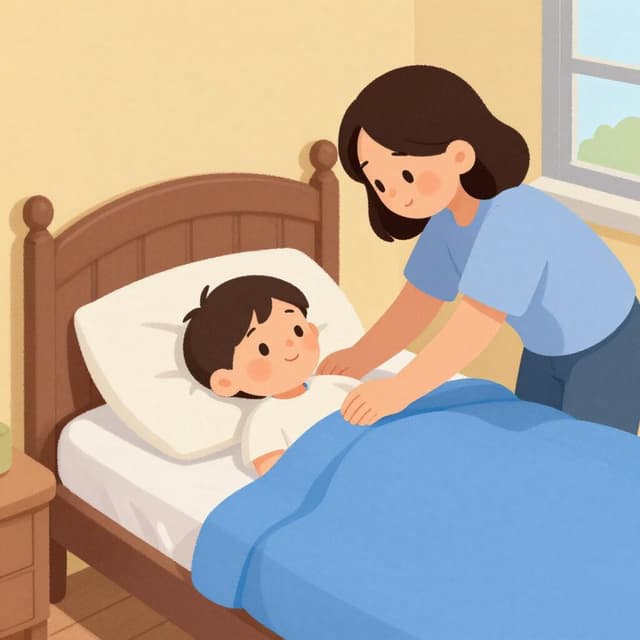
acostar — to put to bed
Use acuesta (tú), acueste (usted), and acostad (vosotros) to give orders to put someone to bed.
Formy acostar Tryb rozkazujący (twierdzący)
Kiedy używać Tryb rozkazujący (twierdzący)
Use this for direct commands. Note that if you are telling someone to go to bed themselves, you would use the reflexive 'acuéstate'.
Uwagi dotyczące acostar w czasie Tryb rozkazujący (twierdzący)
The 'tú', 'usted', and 'ustedes' forms use the O-to-UE stem change. 'Vosotros' is regular.
Przykładowe zdania
Acuesta al niño, por favor.
Put the child to bed, please.
tú
Acueste al paciente en la camilla.
Lay the patient on the stretcher.
Acostad a los perros antes de salir.
Put the dogs to bed before going out.
vosotros
Częste błędy
Błąd: Using 'acosta' for the tú command.
Poprawnie: acuesta
Dlaczego: The informal affirmative command uses the same form as the 3rd person singular present, which has the stem change.
Opanuj hiszpańskie czasowniki w kontekście
Zapamiętywanie tabel to dopiero początek. Przeczytaj ponad 200 ilustrowanych i udźwiękowionych hiszpańskich historii, aby zobaczyć czasowniki takie jak 'acostar' używane naturalnie — w czasach, których się uczysz.
Powiązane czasy
Czas teraźniejszy
yo: acuesto
Acostar is an O-to-UE stem-changer in the present tense: acuesto, acuestas, acuesta, acostamos, acostáis, acuestan.
Czas przeszły prosty
yo: acosté
Acostar is regular in the preterite: acosté, acostaste, acostó, acostamos, acostasteis, acostaron.
Czas przeszły niedokonany
yo: acostaba
Acostar is regular in the imperfect: acostaba, acostabas, acostaba, acostábamos, acostabais, acostaban.
Czas przyszły
yo: acostaré
Acostar is regular in the future: acostaré, acostarás, acostará, acostaremos, acostaréis, acostarán.
Tryb warunkowy
yo: acostaría
Acostar is regular in the conditional: acostaría, acostarías, acostaría, acostaríamos, acostaríais, acostarían.
Tryb Subj. teraźniejszy
yo: acueste
Acostar has an O-to-UE stem change in the subjunctive: acueste, acuestes, acueste, acostemos, acostéis, acuesten.
Tryb Subj. przeszły niedokonany
yo: acostara
The imperfect subjunctive of acostar is regular: acostara, acostaras, acostara, acostáramos, acostarais, acostaran.
Tryb rozkazujący (przeczący)
yo: no acuestes
Negative commands use the present subjunctive: no acuestes, no acueste, no acostemos, no acostéis, no acuesten.