Koniugacja acostar Tryb Subj. przeszły niedokonany
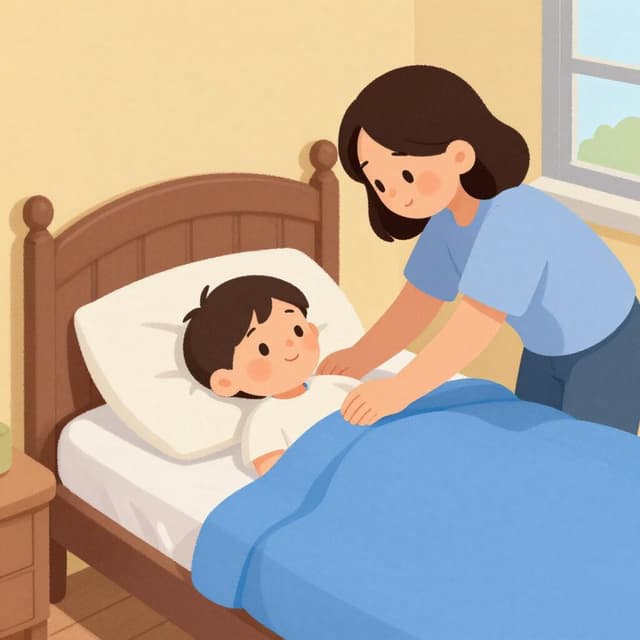
acostar — to put to bed
The imperfect subjunctive of acostar is regular: acostara, acostaras, acostara, acostáramos, acostarais, acostaran.
Formy acostar Tryb Subj. przeszły niedokonany
Kiedy używać Tryb Subj. przeszły niedokonany
Use this for hypotheticals or past requests (e.g., 'If I put the kids to bed earlier, I would sleep more').
Uwagi dotyczące acostar w czasie Tryb Subj. przeszły niedokonany
This tense is formed from the third-person plural preterite (acostaron), so it is regular and does not have the O-to-UE stem change.
Przykładowe zdania
Si yo acostara al bebé ahora, lloraría.
If I put the baby to bed now, he would cry.
yo
Me pidió que acostáramos a los niños temprano.
She asked us to put the kids to bed early.
nosotros
Si ellos acostaran a los heridos, estarían mejor.
If they laid the injured down, they would be better.
ellos/ellas/ustedes
Częste błędy
Błąd: Trying to use 'acuestara'.
Poprawnie: acostara
Dlaczego: The imperfect subjunctive never uses the present-tense stem change; it always follows the preterite base.
Opanuj hiszpańskie czasowniki w kontekście
Zapamiętywanie tabel to dopiero początek. Przeczytaj ponad 200 ilustrowanych i udźwiękowionych hiszpańskich historii, aby zobaczyć czasowniki takie jak 'acostar' używane naturalnie — w czasach, których się uczysz.
Powiązane czasy
Czas teraźniejszy
yo: acuesto
Acostar is an O-to-UE stem-changer in the present tense: acuesto, acuestas, acuesta, acostamos, acostáis, acuestan.
Czas przeszły prosty
yo: acosté
Acostar is regular in the preterite: acosté, acostaste, acostó, acostamos, acostasteis, acostaron.
Czas przeszły niedokonany
yo: acostaba
Acostar is regular in the imperfect: acostaba, acostabas, acostaba, acostábamos, acostabais, acostaban.
Czas przyszły
yo: acostaré
Acostar is regular in the future: acostaré, acostarás, acostará, acostaremos, acostaréis, acostarán.
Tryb warunkowy
yo: acostaría
Acostar is regular in the conditional: acostaría, acostarías, acostaría, acostaríamos, acostaríais, acostarían.
Tryb Subj. teraźniejszy
yo: acueste
Acostar has an O-to-UE stem change in the subjunctive: acueste, acuestes, acueste, acostemos, acostéis, acuesten.
Tryb rozkazujący (twierdzący)
yo: acuesta
Use acuesta (tú), acueste (usted), and acostad (vosotros) to give orders to put someone to bed.
Tryb rozkazujący (przeczący)
yo: no acuestes
Negative commands use the present subjunctive: no acuestes, no acueste, no acostemos, no acostéis, no acuesten.