Koniugacja adornar Tryb Subj. przeszły niedokonany
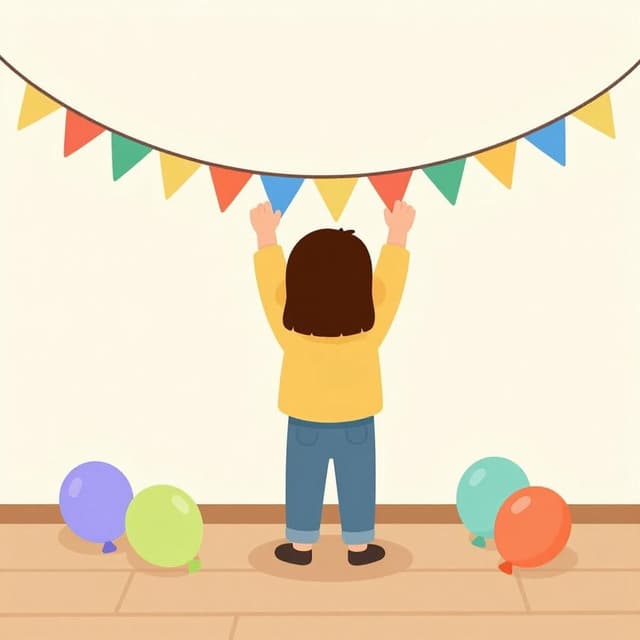
adornar — to decorate
The imperfect subjunctive 'adornara'/'adornase' is for hypothetical past situations or polite requests.
Formy adornar Tryb Subj. przeszły niedokonany
Kiedy używać Tryb Subj. przeszły niedokonany
This tense is used for hypothetical situations in the past, wishes, or polite requests. For instance, 'Si tuviera más tiempo, adornara la entrada con flores' (If I had more time, I would decorate the entrance with flowers). It's also used after certain expressions of doubt or emotion in the past.
Uwagi dotyczące adornar w czasie Tryb Subj. przeszły niedokonany
Adornar is regular in the imperfect subjunctive. Both the -ra and -se forms are correct, though -ra is more common.
Przykładowe zdania
Ojalá adornara el jardín con luces.
I wish he/she would decorate the garden with lights.
él/ella/usted
Si tú adornaras la fiesta, sería genial.
If you decorated the party, it would be great.
tú
Dudaba que ellos adornaran el salón a tiempo.
I doubted they would decorate the hall on time.
ellos/ellas/ustedes
Nos pidieron que adornáramos la oficina.
They asked us to decorate the office.
nosotros
Częste błędy
Błąd: Confusing imperfect subjunctive with preterite or imperfect indicative.
Poprawnie: Use 'adornara' for hypothetical or past wishes, not 'adornó' (preterite) or 'adornaba' (imperfect).
Dlaczego: The imperfect subjunctive has specific uses related to unreality, wishes, and hypotheticals that the indicative tenses do not cover.
Błąd: Forgetting the accent on the 'a' in nosotros form.
Poprawnie: The nosotros form is 'adornáramos', not 'adornaramos'.
Dlaczego: The accent is necessary to indicate the correct pronunciation and stress in this specific form.
Opanuj hiszpańskie czasowniki w kontekście
Zapamiętywanie tabel to dopiero początek. Przeczytaj ponad 200 ilustrowanych i udźwiękowionych hiszpańskich historii, aby zobaczyć czasowniki takie jak 'adornar' używane naturalnie — w czasach, których się uczysz.
Powiązane czasy
Czas teraźniejszy
yo: adorno
The present tense 'adorno' is for decorating happening now or habitually.
Czas przeszły prosty
yo: adorné
Regular preterite forms like 'adorné' and 'adornaron' are used for completed past actions of decorating.
Czas przeszły niedokonany
yo: adornaba
The imperfect 'adornaba' describes ongoing or habitual past decorating.
Czas przyszły
yo: adornaré
The future tense 'adornaré' indicates decorating that will happen.
Tryb warunkowy
yo: adornaría
The conditional 'adornaría' is for hypothetical decorating or polite requests.
Tryb Subj. teraźniejszy
yo: adorne
The present subjunctive 'adorne' is used for wishes, doubts, and after certain expressions.
Tryb rozkazujący (twierdzący)
yo: adorna
Use 'adorna' (tú) and 'adornen' (ustedes) for direct commands to decorate.
Tryb rozkazujący (przeczący)
yo: no adornes
Use 'no adornes' (tú) and 'no adornen' (ustedes) for negative commands not to decorate.