Koniugacja alternar Tryb warunkowy
alternar — to alternate
The conditional 'alternaría', 'alternarías', 'alternaría', 'alternaríamos', 'alternaríais', 'alternarían' expresses hypotheticals ('would') and polite requests.
Formy alternar Tryb warunkowy
Kiedy używać Tryb warunkowy
Use the conditional to talk about what would happen under certain conditions (hypotheticals), to make polite requests, or to express future actions from a past perspective. For 'alternar,' it's about what you would do or suggest someone else would do.
Uwagi dotyczące alternar w czasie Tryb warunkowy
Alternar is regular in the conditional tense. The stem is the infinitive ('alternar-') and you add the standard conditional endings (-ía, -ías, -ía, -íamos, -íais, -ían).
Przykładowe zdania
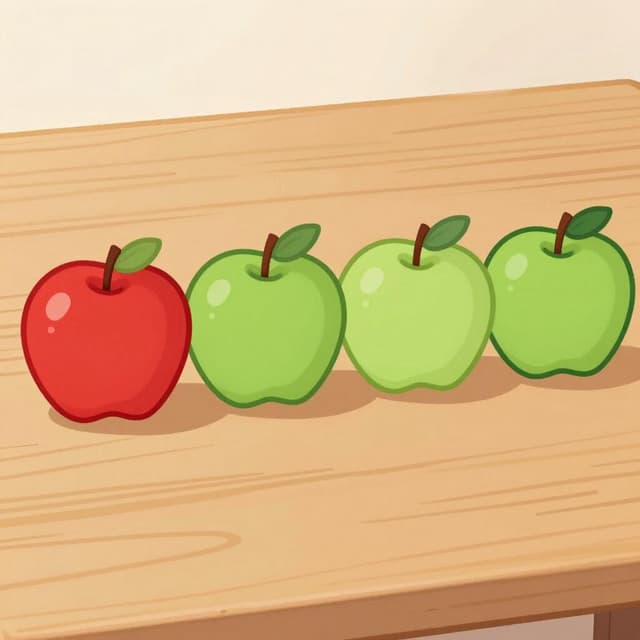
Yo alternaría la decoración cada temporada si pudiera.
I would alternate the decoration each season if I could.
yo
¿Alternarías tú el tipo de música en la fiesta?
Would you alternate the type of music at the party?
tú
Él alternaría los colores para crear un efecto visual.
He would alternate the colors to create a visual effect.
él/ella/usted
Nosotros alternaríamos los turnos de conducción.
We would alternate driving shifts.
nosotros
Ellos alternarían las tareas para que fuera más justo.
They would alternate the tasks to make it fairer.
ellos/ellas/ustedes
Częste błędy
Błąd: Confusing conditional with future tense.
Poprawnie: Use the conditional ('alternaría') for hypothetical 'would' situations, and the future ('alternará') for definite future events.
Dlaczego: The endings are similar, but the meaning is distinct: conditional is hypothetical, future is factual.
Błąd: Forgetting the accents on the conditional endings.
Poprawnie: Remember the accents: alternaría, alternarías, alternaría, alternaríamos, alternaríais, alternarían.
Dlaczego: The accents are essential for these conditional endings.
Opanuj hiszpańskie czasowniki w kontekście
Zapamiętywanie tabel to dopiero początek. Przeczytaj ponad 200 ilustrowanych i udźwiękowionych hiszpańskich historii, aby zobaczyć czasowniki takie jak 'alternar' używane naturalnie — w czasach, których się uczysz.
Powiązane czasy
Czas teraźniejszy
yo: alterno
The present tense 'alterno', 'alternas', 'alterna', 'alternamos', 'alternáis', 'alternan' describes habitual actions, current actions, and general truths.
Czas przeszły prosty
yo: alterné
The preterite of 'alternar' is regular: alterné, alternaste, alternó, alternamos, alternasteis, alternaron.
Czas przeszły niedokonany
yo: alternaba
The imperfect 'alternaba', 'alternabas', 'alternaba', 'alternábamos', 'alternabais', 'alternaban' describes habitual or ongoing past actions.
Czas przyszły
yo: alternaré
The future tense 'alternaré', 'alternarás', 'alternará', 'alternaremos', 'alternaréis', 'alternarán' indicates actions that will happen.
Tryb Subj. teraźniejszy
yo: alterne
The present subjunctive (alterne, alternes, alternemos, alternen, alternéis) is used after expressions of doubt, desire, emotion, or uncertainty.
Tryb Subj. przeszły niedokonany
yo: alternara
The imperfect subjunctive (alternara/alternase) is used for past hypotheticals, wishes, and polite requests.
Tryb rozkazujący (twierdzący)
yo: alterna
Use 'alterna' (tú), 'alterne' (usted), 'alternemos' (nosotros), 'alternen' (ustedes), 'alternad' (vosotros) for direct commands.
Tryb rozkazujący (przeczący)
yo: no alternes
Negative commands use 'no' + present subjunctive: 'no alternes' (tú), 'no alterne' (usted), 'no alternemos' (nosotros), 'no alternen' (ustedes), 'no alternéis' (vosotros).