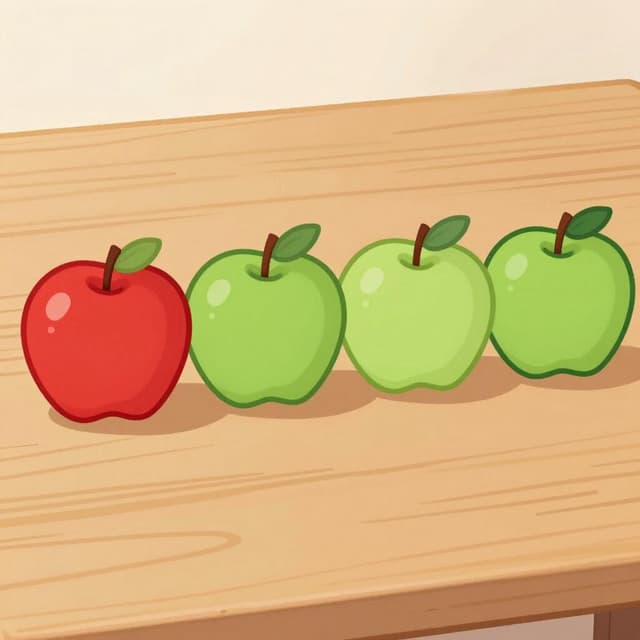
Koniugacja alternar Czas przeszły niedokonany
alternar — to alternate
The imperfect 'alternaba', 'alternabas', 'alternaba', 'alternábamos', 'alternabais', 'alternaban' describes habitual or ongoing past actions.
Formy alternar Czas przeszły niedokonany
Kiedy używać Czas przeszły niedokonany
Use the imperfect tense for actions that were happening regularly or continuously in the past, or to describe background settings. For 'alternar,' it means something that used to happen repeatedly or was in the process of alternating.
Uwagi dotyczące alternar w czasie Czas przeszły niedokonany
Alternar is regular in the imperfect tense, conjugating like other -ar verbs. All forms are predictable.
Przykładowe zdania
Cuando era niño, alternaba mis estudios con el deporte.
When I was a child, I used to alternate my studies with sports.
yo
Ella siempre alternaba los vestidos para ir a trabajar.
She always alternated dresses when going to work.
él/ella/usted
Antes, los trenes alternaban entre dos estaciones.
Before, the trains used to alternate between two stations.
ellos/ellas/ustedes
¿Alternabais vosotros las guardias por la noche?
Did you guys used to alternate the watches at night?
vosotros
Częste błędy
Błąd: Using the imperfect for a single, completed past action.
Poprawnie: For a specific completed action, use the preterite (e.g., 'alternó').
Dlaczego: The imperfect describes ongoing or habitual past actions, not single events.
Błąd: Forgetting the double 'b' in the imperfect forms.
Poprawnie: Remember the 'bab' stem: alternaba, alternabas, alternaba, alternábamos, alternabais, alternaban.
Dlaczego: This is a common spelling error for imperfect -ar verbs.
Opanuj hiszpańskie czasowniki w kontekście
Zapamiętywanie tabel to dopiero początek. Przeczytaj ponad 200 ilustrowanych i udźwiękowionych hiszpańskich historii, aby zobaczyć czasowniki takie jak 'alternar' używane naturalnie — w czasach, których się uczysz.
Powiązane czasy
Czas teraźniejszy
yo: alterno
The present tense 'alterno', 'alternas', 'alterna', 'alternamos', 'alternáis', 'alternan' describes habitual actions, current actions, and general truths.
Czas przeszły prosty
yo: alterné
The preterite of 'alternar' is regular: alterné, alternaste, alternó, alternamos, alternasteis, alternaron.
Czas przyszły
yo: alternaré
The future tense 'alternaré', 'alternarás', 'alternará', 'alternaremos', 'alternaréis', 'alternarán' indicates actions that will happen.
Tryb warunkowy
yo: alternaría
The conditional 'alternaría', 'alternarías', 'alternaría', 'alternaríamos', 'alternaríais', 'alternarían' expresses hypotheticals ('would') and polite requests.
Tryb Subj. teraźniejszy
yo: alterne
The present subjunctive (alterne, alternes, alternemos, alternen, alternéis) is used after expressions of doubt, desire, emotion, or uncertainty.
Tryb Subj. przeszły niedokonany
yo: alternara
The imperfect subjunctive (alternara/alternase) is used for past hypotheticals, wishes, and polite requests.
Tryb rozkazujący (twierdzący)
yo: alterna
Use 'alterna' (tú), 'alterne' (usted), 'alternemos' (nosotros), 'alternen' (ustedes), 'alternad' (vosotros) for direct commands.
Tryb rozkazujący (przeczący)
yo: no alternes
Negative commands use 'no' + present subjunctive: 'no alternes' (tú), 'no alterne' (usted), 'no alternemos' (nosotros), 'no alternen' (ustedes), 'no alternéis' (vosotros).