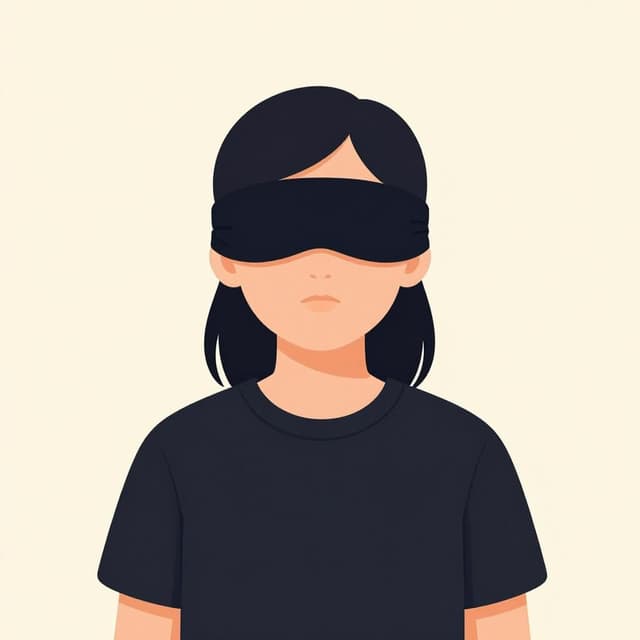
Koniugacja cegar Czas przyszły
cegar — to blind
The future tense of cegar is completely regular: cegaré, cegarás, cegará...
Formy cegar Czas przyszły
Kiedy używać Czas przyszły
Use this to predict that something will cause blindness or to express probability about someone being blinded.
Uwagi dotyczące cegar w czasie Czas przyszły
Cegar is regular in the future. Just add the endings (-é, -ás, -á, -emos, -éis, -án) to the infinitive.
Przykładowe zdania
Esa luz tan fuerte te cegará.
That strong light will blind you.
él/ella/usted
Si no tenemos cuidado, nos cegaremos con el sol.
If we aren't careful, we will be blinded by the sun.
nosotros
Los flashes de las cámaras los cegarán.
The camera flashes will blind them.
ellos/ellas/ustedes
Częste błędy
Błąd: ciegaré
Poprawnie: cegaré
Dlaczego: Stem changes (e-ie) never happen in the future tense.
Opanuj hiszpańskie czasowniki w kontekście
Zapamiętywanie tabel to dopiero początek. Przeczytaj ponad 200 ilustrowanych i udźwiękowionych hiszpańskich historii, aby zobaczyć czasowniki takie jak 'cegar' używane naturalnie — w czasach, których się uczysz.
Powiązane czasy
Czas teraźniejszy
yo: ciego
Cegar is a stem-changing verb (e-ie) in the present tense (ciego, ciegas...).
Czas przeszły prosty
yo: cegué
Cegar has a spelling change only in the 'yo' form (cegué) to maintain the hard 'g' sound.
Czas przeszły niedokonany
yo: cegaba
The imperfect of cegar is regular: cegaba, cegabas, cegaba...
Tryb warunkowy
yo: cegaría
The conditional of cegar is regular: cegaría, cegarías, cegaría...
Tryb Subj. teraźniejszy
yo: ciegue
Cegar undergoes an e-ie stem change and a g-gu spelling change in the present subjunctive.
Tryb Subj. przeszły niedokonany
yo: cegara
The imperfect subjunctive of cegar is regular in its stem (cegar-).
Tryb rozkazujący (twierdzący)
yo: ciega
The imperative of cegar uses 'ciega' (tú) and 'ciegue' (usted).
Tryb rozkazujący (przeczący)
yo: no ciegues
The negative imperative uses present subjunctive forms: no ciegues, no ciegue.