Koniugacja cegar Tryb Subj. teraźniejszy
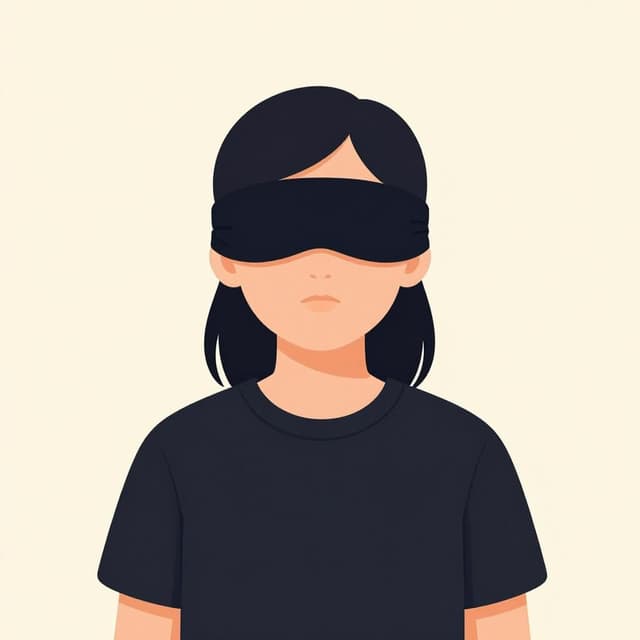
cegar — to blind
Cegar undergoes an e-ie stem change and a g-gu spelling change in the present subjunctive.
Formy cegar Tryb Subj. teraźniejszy
Kiedy używać Tryb Subj. teraźniejszy
Use this tense when expressing a wish, doubt, or emotion about someone being blinded, either literally by light or figuratively by love or anger.
Uwagi dotyczące cegar w czasie Tryb Subj. teraźniejszy
This tense features two changes: the 'e' becomes 'ie' in all forms except nosotros/vosotros, and the 'g' changes to 'gu' in all forms to keep the hard 'g' sound.
Przykładowe zdania
Espero que la luz no te ciegue.
I hope the light doesn't blind you.
él/ella/usted
Dudo que las mentiras los cieguen.
I doubt the lies will blind them.
ellos/ellas/ustedes
Es mejor que no nos ceguemos por el odio.
It is better that we don't get blinded by hate.
nosotros
Częste błędy
Błąd: ciege
Poprawnie: ciegue
Dlaczego: Without the 'u', the 'g' would sound like an 'h' (as in 'gente'). The 'gu' preserves the original hard sound of 'cegar'.
Opanuj hiszpańskie czasowniki w kontekście
Zapamiętywanie tabel to dopiero początek. Przeczytaj ponad 200 ilustrowanych i udźwiękowionych hiszpańskich historii, aby zobaczyć czasowniki takie jak 'cegar' używane naturalnie — w czasach, których się uczysz.
Powiązane czasy
Czas teraźniejszy
yo: ciego
Cegar is a stem-changing verb (e-ie) in the present tense (ciego, ciegas...).
Czas przeszły prosty
yo: cegué
Cegar has a spelling change only in the 'yo' form (cegué) to maintain the hard 'g' sound.
Czas przeszły niedokonany
yo: cegaba
The imperfect of cegar is regular: cegaba, cegabas, cegaba...
Czas przyszły
yo: cegaré
The future tense of cegar is completely regular: cegaré, cegarás, cegará...
Tryb warunkowy
yo: cegaría
The conditional of cegar is regular: cegaría, cegarías, cegaría...
Tryb Subj. przeszły niedokonany
yo: cegara
The imperfect subjunctive of cegar is regular in its stem (cegar-).
Tryb rozkazujący (twierdzący)
yo: ciega
The imperative of cegar uses 'ciega' (tú) and 'ciegue' (usted).
Tryb rozkazujący (przeczący)
yo: no ciegues
The negative imperative uses present subjunctive forms: no ciegues, no ciegue.