Koniugacja colar Czas przyszły
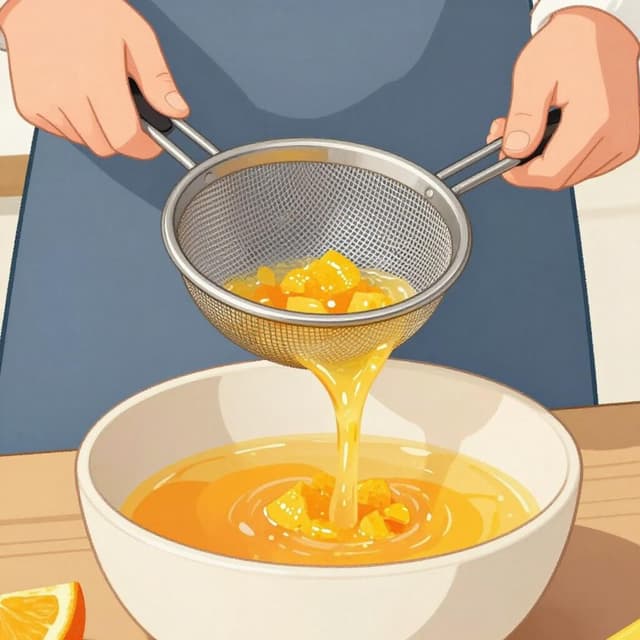
colar — to strain
The future of colar is regular: colaré, colarás, colará, colaremos, colaréis, colarán.
Formy colar Czas przyszły
Kiedy używać Czas przyszły
Use this for future cooking steps or to predict that someone will try to sneak into an event later.
Uwagi dotyczące colar w czasie Czas przyszły
Colar is regular in the future. The endings are added directly to the infinitive form.
Przykładowe zdania
Colaré la mezcla después de diez minutos.
I will strain the mixture after ten minutes.
yo
¿Colarás tú el aceite usado?
Will you strain the used oil?
tú
Częste błędy
Błąd: Using 'cuelaré' instead of 'colaré'.
Poprawnie: colaré
Dlaczego: The stem change 'ue' only occurs in the present; the future always uses the full infinitive stem.
Opanuj hiszpańskie czasowniki w kontekście
Zapamiętywanie tabel to dopiero początek. Przeczytaj ponad 200 ilustrowanych i udźwiękowionych hiszpańskich historii, aby zobaczyć czasowniki takie jak 'colar' używane naturalnie — w czasach, których się uczysz.
Powiązane czasy
Czas teraźniejszy
yo: cuelo
Colar changes its stem from 'o' to 'ue' in the present tense, except for nosotros and vosotros.
Czas przeszły prosty
yo: colé
Colar is completely regular in the preterite: colé, colaste, coló, colamos, colasteis, colaron.
Czas przeszły niedokonany
yo: colaba
Colar is regular in the imperfect: colaba, colabas, colaba, colábamos, colabais, colaban.
Tryb warunkowy
yo: colaría
The conditional of colar is regular: colaría, colarías, colaría, colaríamos, colaríais, colarían.
Tryb Subj. teraźniejszy
yo: cuele
The present subjunctive of colar follows the o > ue stem change: cuele, cueles, cuele, colemos, coléis, cuelen.
Tryb Subj. przeszły niedokonany
yo: colara
The imperfect subjunctive of colar is regular: colara, colaras, colara, coláramos, colarais, colaran.
Tryb rozkazujący (twierdzący)
yo: cuela
The imperative uses 'cuela' (tú) and 'cuele' (usted), following the stem change.
Tryb rozkazujący (przeczący)
yo: no cueles
The negative imperative uses the present subjunctive forms: no cueles, no cuele, no colemos, no coléis, no cuelen.