colarKoniugacja
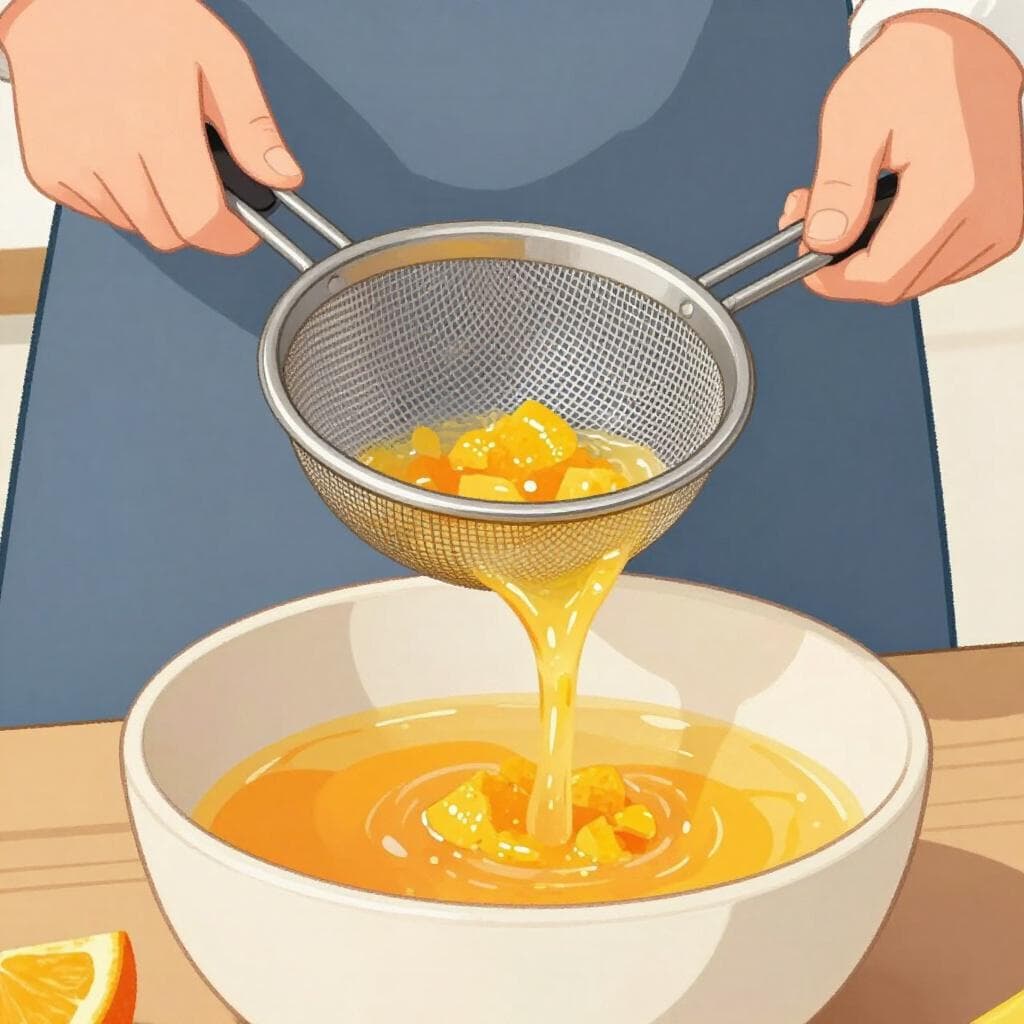
colar oznacza przecedzać.
Kompletne tabele koniugacji
Odniesienie do wszystkich czasów i trybów
Subjunctive
Imperfect Subjunctive
The imperfect subjunctive of colar is regular: colara, colaras, colara, coláramos, colarais, colaran.
Present Subjunctive
The present subjunctive of colar follows the o > ue stem change: cuele, cueles, cuele, colemos, coléis, cuelen.
Imperative
Negative Imperative
The negative imperative uses the present subjunctive forms: no cueles, no cuele, no colemos, no coléis, no cuelen.
Imperative
The imperative uses 'cuela' (tú) and 'cuele' (usted), following the stem change.
Indicative
Conditional
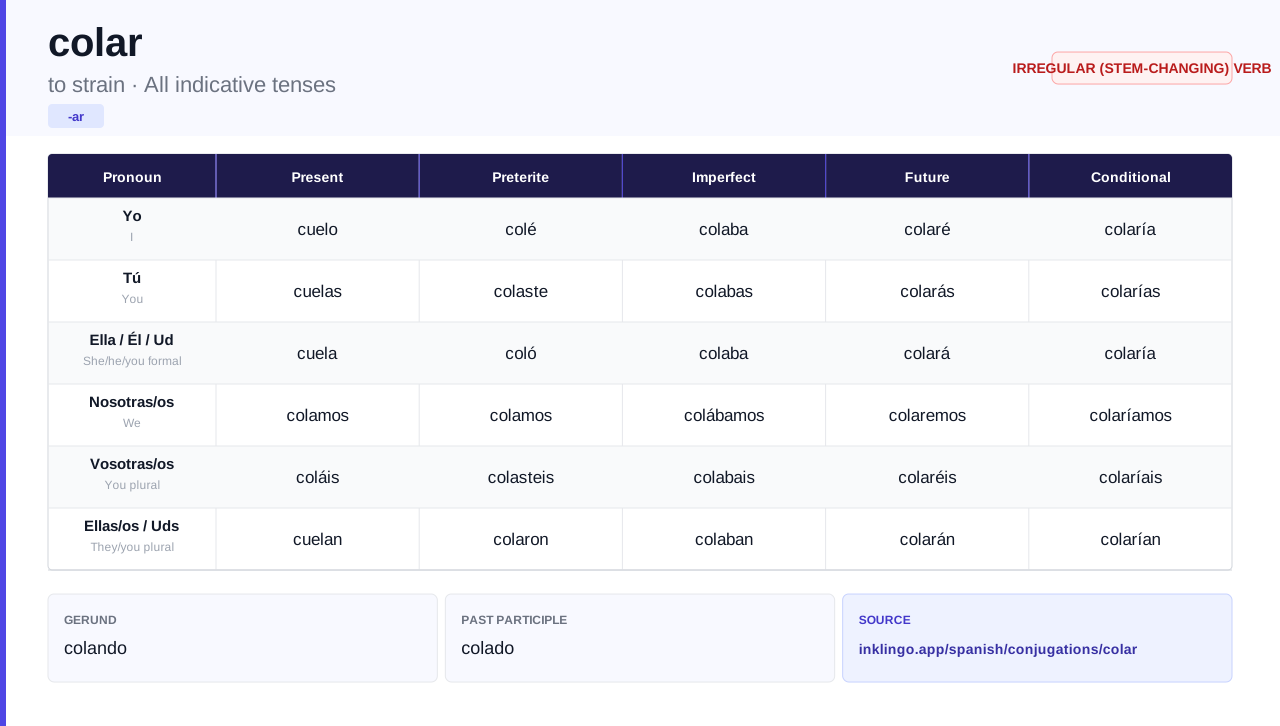
The conditional of colar is regular: colaría, colarías, colaría, colaríamos, colaríais, colarían.
Preterite
Colar is completely regular in the preterite: colé, colaste, coló, colamos, colasteis, colaron.
Imperfect
Colar is regular in the imperfect: colaba, colabas, colaba, colábamos, colabais, colaban.
Present
Colar changes its stem from 'o' to 'ue' in the present tense, except for nosotros and vosotros.
Future
The future of colar is regular: colaré, colarás, colará, colaremos, colaréis, colarán.
Ćwicz koniugacje
Sprawdź swoją wiedzę za pomocą interaktywnych ćwiczeń
Przenieś colar z tabel do prawdziwego hiszpańskiego
Tabele koniugacji to dopiero początek. Przeczytaj ponad 200 ilustrowanych i udźwiękowionych hiszpańskich historii, aby zobaczyć 'colar' w akcji w prawdziwych zdaniach — i zbuduj instynkt, jaki mają rodzimi użytkownicy języka.
Często zadawane pytania
Co oznacza colar po hiszpańsku?
colar oznacza „przecedzać”.
Czy colar to czasownik regularny czy nieregularny?
colar to czasownik irregular (stem-changing) -ar w języku hiszpańskim.
Jak koniuguje się colar w czasie teraźniejszym?
Czas teraźniejszy colar to: yo cuelo, tú cuelas, él/ella/usted cuela, nosotros colamos, vosotros coláis, ellos/ellas/ustedes cuelan.
Jak koniuguje się colar w czasie przeszłym dokonanym (preterite)?
Czas przeszły dokonany colar to: yo colé, tú colaste, él/ella/usted coló, nosotros colamos, vosotros colasteis, ellos/ellas/ustedes colaron.
colar ściągawka koniugacyjna