Koniugacja descubrir Tryb Subj. przeszły niedokonany
descubrir — to discover
The imperfect subjunctive of descubrir uses the -ra endings: descubriera, descubrieras, descubriera, descubriéramos, descubrierais, descubrieran.
Formy descubrir Tryb Subj. przeszły niedokonany
Kiedy używać Tryb Subj. przeszły niedokonany
Use this for hypothetical situations ('If I discovered...') or when the main verb triggering the subjunctive is in the past.
Uwagi dotyczące descubrir w czasie Tryb Subj. przeszły niedokonany
This tense is regular. It is formed by taking the 3rd person plural preterite (descubrieron), dropping the -on, and adding the -ra endings.
Przykładowe zdania
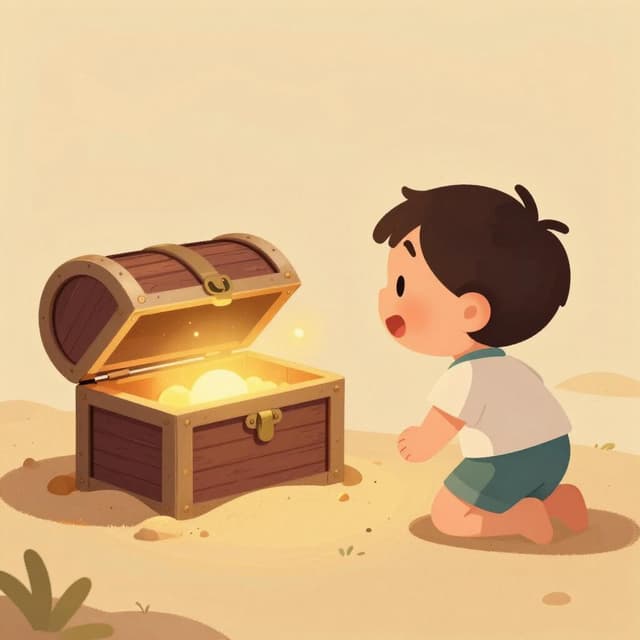
Si yo descubriera un tesoro, viajaría por el mundo.
If I discovered a treasure, I would travel the world.
yo
Me gustaría que tú descubrieras este lugar.
I would like for you to discover this place.
tú
Querían que descubriéramos el pastel.
They wanted us to discover the cake (reveal the surprise).
nosotros
Częste błędy
Błąd: Forgetting the accent on the nosotros form.
Poprawnie: descubriéramos
Dlaczego: The nosotros form of the imperfect subjunctive always requires an accent on the vowel before the -ramos ending.
Opanuj hiszpańskie czasowniki w kontekście
Zapamiętywanie tabel to dopiero początek. Przeczytaj ponad 200 ilustrowanych i udźwiękowionych hiszpańskich historii, aby zobaczyć czasowniki takie jak 'descubrir' używane naturalnie — w czasach, których się uczysz.
Powiązane czasy
Czas teraźniejszy
yo: descubro
The present tense of descubrir is regular: descubro, descubres, descubre, descubrimos, descubrís, descubren.
Czas przeszły prosty
yo: descubrí
The preterite of descubrir is regular: descubrí, descubriste, descubrió, descubrimos, descubristeis, descubrieron.
Czas przeszły niedokonany
yo: descubría
The imperfect of descubrir is regular: descubría, descubrías, descubría, descubríamos, descubríais, descubrían.
Czas przyszły
yo: descubriré
The future of descubrir is regular: descubriré, descubrirás, descubrirá, descubriremos, descubriréis, descubrirán.
Tryb warunkowy
yo: descubriría
The conditional of descubrir is regular: descubriría, descubrirías, descubriría, descubriríamos, descubriríais, descubrirían.
Tryb Subj. teraźniejszy
yo: descubra
The present subjunctive of descubrir is regular: descubra, descubras, descubra, descubramos, descubráis, descubran.
Tryb rozkazujący (twierdzący)
yo: descubre
The affirmative imperative for descubrir: descubre (tú), descubra (usted), descubramos (nosotros), descubrid (vosotros), descubran (ustedes).
Tryb rozkazujący (przeczący)
yo: no descubras
The negative imperative of descubrir uses present subjunctive: no descubras, no descubra, no descubramos, no descubráis, no descubran.