Koniugacja descubrir Czas przeszły prosty
descubrir — to discover
The preterite of descubrir is regular: descubrí, descubriste, descubrió, descubrimos, descubristeis, descubrieron.
Formy descubrir Czas przeszły prosty
Kiedy używać Czas przeszły prosty
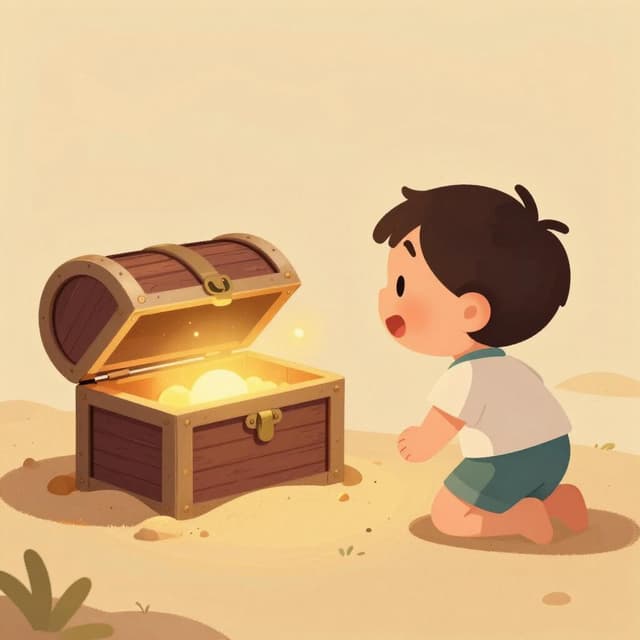
Use the preterite for a discovery that happened at a specific point in time, like finding a lost key or a scientist making a breakthrough.
Uwagi dotyczące descubrir w czasie Czas przeszły prosty
Descubrir is regular in the preterite. Note that the 'nosotros' form is the same as the present tense.
Przykładowe zdania
Ayer descubrí un café muy bonito.
Yesterday I discovered a very pretty café.
yo
Él descubrió la solución al problema.
He discovered the solution to the problem.
él/ella/usted
Descubrimos la verdad el lunes pasado.
We discovered the truth last Monday.
nosotros
Częste błędy
Błąd: Using 'descubrido' as a past tense verb.
Poprawnie: descubrí (for simple past) or 'he descubierto' (for compound).
Dlaczego: Learners often try to use the participle as a verb or forget that the participle 'descubierto' is irregular.
Opanuj hiszpańskie czasowniki w kontekście
Zapamiętywanie tabel to dopiero początek. Przeczytaj ponad 200 ilustrowanych i udźwiękowionych hiszpańskich historii, aby zobaczyć czasowniki takie jak 'descubrir' używane naturalnie — w czasach, których się uczysz.
Powiązane czasy
Czas teraźniejszy
yo: descubro
The present tense of descubrir is regular: descubro, descubres, descubre, descubrimos, descubrís, descubren.
Czas przeszły niedokonany
yo: descubría
The imperfect of descubrir is regular: descubría, descubrías, descubría, descubríamos, descubríais, descubrían.
Czas przyszły
yo: descubriré
The future of descubrir is regular: descubriré, descubrirás, descubrirá, descubriremos, descubriréis, descubrirán.
Tryb warunkowy
yo: descubriría
The conditional of descubrir is regular: descubriría, descubrirías, descubriría, descubriríamos, descubriríais, descubrirían.
Tryb Subj. teraźniejszy
yo: descubra
The present subjunctive of descubrir is regular: descubra, descubras, descubra, descubramos, descubráis, descubran.
Tryb Subj. przeszły niedokonany
yo: descubriera
The imperfect subjunctive of descubrir uses the -ra endings: descubriera, descubrieras, descubriera, descubriéramos, descubrierais, descubrieran.
Tryb rozkazujący (twierdzący)
yo: descubre
The affirmative imperative for descubrir: descubre (tú), descubra (usted), descubramos (nosotros), descubrid (vosotros), descubran (ustedes).
Tryb rozkazujący (przeczący)
yo: no descubras
The negative imperative of descubrir uses present subjunctive: no descubras, no descubra, no descubramos, no descubráis, no descubran.