Koniugacja desmayar Czas teraźniejszy
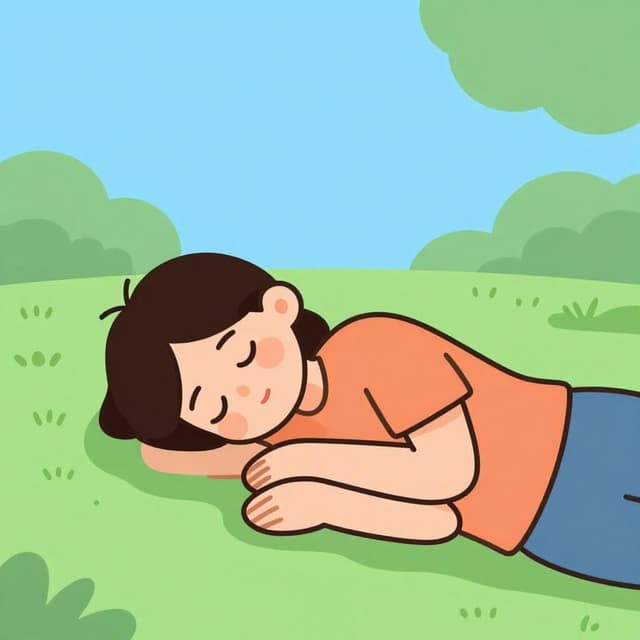
desmayar — to faint
The present tense of desmayar (desmayo, desmayas, etc.) describes habitual or current fainting.
Formy desmayar Czas teraźniejszy
Kiedy używać Czas teraźniejszy
Use the present tense of desmayar for actions happening right now, habitual actions, or general truths. For example, 'He faints easily' or 'I am fainting now.'
Uwagi dotyczące desmayar w czasie Czas teraźniejszy
Desmayar is regular in the present indicative tense. All conjugations follow the standard -ar pattern.
Przykładowe zdania
Yo me desmayo si veo una araña.
I faint if I see a spider.
yo
¿Tú te desmayas a menudo?
Do you faint often?
tú
El paciente se desmaya cada vez que se levanta.
The patient faints every time he stands up.
él/ella/usted
Nosotros no nos desmayamos por esas cosas.
We don't faint over those things.
nosotros
Częste błędy
Błąd: Using the present subjunctive: 'Espero que desmayo'.
Poprawnie: 'Espero que desmaye'.
Dlaczego: Expressions of hope or doubt require the subjunctive mood, not the indicative.
Opanuj hiszpańskie czasowniki w kontekście
Zapamiętywanie tabel to dopiero początek. Przeczytaj ponad 200 ilustrowanych i udźwiękowionych hiszpańskich historii, aby zobaczyć czasowniki takie jak 'desmayar' używane naturalnie — w czasach, których się uczysz.
Powiązane czasy
Czas przeszły prosty
yo: desmayé
The preterite of desmayar (desmayé, desmayaste, etc.) indicates a completed action of fainting in the past.
Czas przeszły niedokonany
yo: desmayaba
The imperfect of desmayar (desmayaba, desmayabas, etc.) describes ongoing or habitual fainting in the past.
Czas przyszły
yo: desmayaré
The future tense of desmayar (desmayaré, desmayarás, etc.) predicts or speculates about fainting.
Tryb warunkowy
yo: desmayaría
The conditional of desmayar (desmayaría, desmayarías, etc.) suggests hypothetical fainting.
Tryb Subj. teraźniejszy
yo: desmaye
The present subjunctive of desmayar (desmaye, desmayes, etc.) expresses wishes, doubts, or emotions.
Tryb Subj. przeszły niedokonany
yo: desmayara
The imperfect subjunctive of desmayar (desmayara/desmayase) is for past hypotheticals or wishes.
Tryb rozkazujący (twierdzący)
yo: desmaya
The imperative of desmayar uses commands like desmaya (tú) or desmayen (ustedes).
Tryb rozkazujący (przeczący)
yo: no desmayes
Negative commands for desmayar use the present subjunctive, like no desmayes (tú) or no desmayen (ustedes).