Koniugacja desmayar Tryb Subj. teraźniejszy
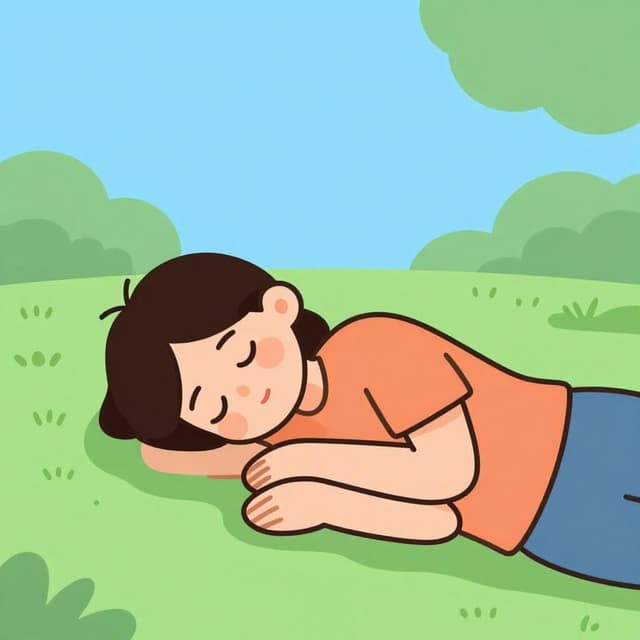
desmayar — to faint
The present subjunctive of desmayar (desmaye, desmayes, etc.) expresses wishes, doubts, or emotions.
Formy desmayar Tryb Subj. teraźniejszy
Kiedy używać Tryb Subj. teraźniejszy
Use the present subjunctive of desmayar after verbs expressing hope, doubt, fear, emotion, or uncertainty, or in impersonal expressions. For example, 'I hope he doesn't faint.'
Uwagi dotyczące desmayar w czasie Tryb Subj. teraźniejszy
Desmayar is regular in the present subjunctive. The yo, él/ella/usted, and usted forms are all 'desmaye'.
Przykładowe zdania
Espero que no te desmayes del susto.
I hope you don't faint from the fright.
tú
Dudo que él se desmaye en la obra.
I doubt he will faint in the play.
él/ella/usted
Es importante que no desmayemos ahora.
It's important that we don't faint now.
nosotros
Temo que ustedes se desmayen con la noticia.
I fear that you all will faint with the news.
Częste błędy
Błąd: Using the present indicative instead of subjunctive: 'Espero que no desmayas'.
Poprawnie: 'Espero que no te desmayes'.
Dlaczego: Expressions of hope, doubt, and emotion trigger the subjunctive mood.
Błąd: Using 'desmayo' for él/ella/usted form.
Poprawnie: The form is 'desmaye'.
Dlaczego: The yo form is 'desmayo', but the él/ella/usted and usted forms in the present subjunctive are also 'desmaye'.
Opanuj hiszpańskie czasowniki w kontekście
Zapamiętywanie tabel to dopiero początek. Przeczytaj ponad 200 ilustrowanych i udźwiękowionych hiszpańskich historii, aby zobaczyć czasowniki takie jak 'desmayar' używane naturalnie — w czasach, których się uczysz.
Powiązane czasy
Czas teraźniejszy
yo: desmayo
The present tense of desmayar (desmayo, desmayas, etc.) describes habitual or current fainting.
Czas przeszły prosty
yo: desmayé
The preterite of desmayar (desmayé, desmayaste, etc.) indicates a completed action of fainting in the past.
Czas przeszły niedokonany
yo: desmayaba
The imperfect of desmayar (desmayaba, desmayabas, etc.) describes ongoing or habitual fainting in the past.
Czas przyszły
yo: desmayaré
The future tense of desmayar (desmayaré, desmayarás, etc.) predicts or speculates about fainting.
Tryb warunkowy
yo: desmayaría
The conditional of desmayar (desmayaría, desmayarías, etc.) suggests hypothetical fainting.
Tryb Subj. przeszły niedokonany
yo: desmayara
The imperfect subjunctive of desmayar (desmayara/desmayase) is for past hypotheticals or wishes.
Tryb rozkazujący (twierdzący)
yo: desmaya
The imperative of desmayar uses commands like desmaya (tú) or desmayen (ustedes).
Tryb rozkazujący (przeczący)
yo: no desmayes
Negative commands for desmayar use the present subjunctive, like no desmayes (tú) or no desmayen (ustedes).