Koniugacja empeñar Tryb Subj. przeszły niedokonany
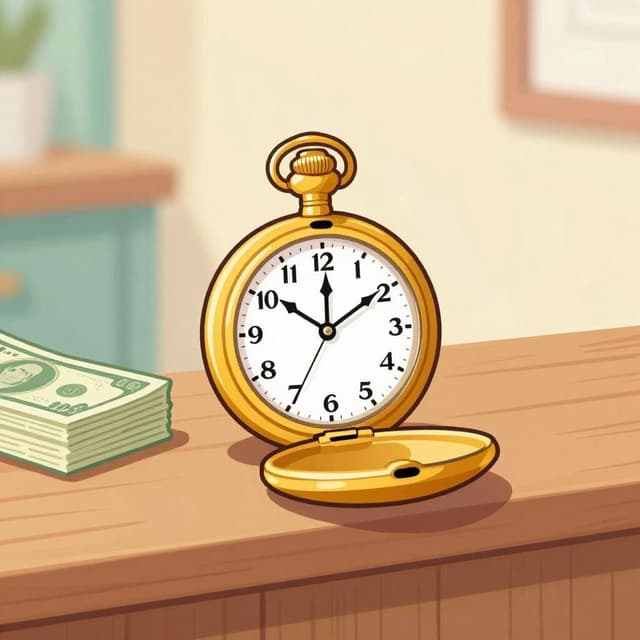
empeñar — to pawn
Use 'empeñara'/'empeñase' (yo/él/ella/usted), 'empeñaras'/'empeñases' (tú), 'empeñáramos'/'empeñásemos' (nosotros), 'empeñarais'/'empeñaseis' (vosotros), 'empeñaran'/'empeñasen' (ellos/ellas/ustedes) for past hypotheticals or wishes.
Formy empeñar Tryb Subj. przeszły niedokonany
Kiedy używać Tryb Subj. przeszły niedokonany
The imperfect subjunctive is used for hypothetical situations in the past, unlikely conditions, polite requests, or expressing wishes/doubts about past events. It often pairs with the conditional tense.
Uwagi dotyczące empeñar w czasie Tryb Subj. przeszły niedokonany
Empeñar is regular in the imperfect subjunctive. You can use either the '-ra' or '-se' ending; the '-ra' form is more common.
Przykładowe zdania
Si empeñara más dinero, podríamos comprar la casa.
If I pawned more money, we could buy the house.
yo
Me pidió que no empeñase sus joyas.
He asked me not to pawn his jewelry.
él/ella/usted
Ojalá empeñáramos un buen coche.
I wish we could pawn a nice car.
nosotros
Dudaba que ellos empeñaran algo de valor.
I doubted they would pawn anything of value.
ellos/ellas/ustedes
Częste błędy
Błąd: Using the preterite or imperfect indicative instead of the imperfect subjunctive.
Poprawnie: For hypothetical or uncertain past situations, use the imperfect subjunctive: 'empeñara' or 'empeñase'.
Dlaczego: The indicative mood describes facts, while the subjunctive mood describes possibilities, doubts, or desires.
Błąd: Forgetting the accent on the nosotros form ('empeñáramos').
Poprawnie: The nosotros form needs the accent: 'empeñáramos' or 'empeñásemos'.
Dlaczego: The accent indicates the correct stress and distinguishes it from other forms.
Opanuj hiszpańskie czasowniki w kontekście
Zapamiętywanie tabel to dopiero początek. Przeczytaj ponad 200 ilustrowanych i udźwiękowionych hiszpańskich historii, aby zobaczyć czasowniki takie jak 'empeñar' używane naturalnie — w czasach, których się uczysz.
Powiązane czasy
Czas teraźniejszy
yo: empeño
Use 'empeño', 'empeñas', 'empeña', 'empeñamos', 'empeñáis', 'empeñan' for actions happening now, habits, or general truths.
Czas przeszły prosty
yo: empeñé
Use 'empeñé', 'empeñaste', 'empeñó', 'empeñamos', 'empeñasteis', 'empeñaron' for completed past actions.
Czas przeszły niedokonany
yo: empeñaba
Use 'empeñaba', 'empeñabas', 'empeñaba', 'empeñábamos', 'empeñabais', 'empeñaban' for ongoing or habitual past actions.
Czas przyszły
yo: empeñaré
Use 'empeñaré', 'empeñarás', 'empeñará', 'empeñaremos', 'empeñaréis', 'empeñarán' for future actions or probability.
Tryb warunkowy
yo: empeñaría
Use 'empeñaría', 'empeñarías', 'empeñaría', 'empeñaríamos', 'empeñaríais', 'empeñarían' for hypotheticals, polite requests, or future-in-the-past.
Tryb Subj. teraźniejszy
yo: empeñe
Use 'empeñe' (yo/él/ella/usted), 'empeñes' (tú), 'empeñemos' (nosotros), 'empeñéis' (vosotros), 'empeñen' (ellos/ellas/ustedes) after expressions of doubt, desire, emotion, or uncertainty.
Tryb rozkazujący (twierdzący)
yo: empeña
Use 'empeña' (tú), 'empeñe' (usted), 'empeñemos' (nosotros), 'empeñen' (ustedes), or 'empeñad' (vosotros) for direct commands.
Tryb rozkazujący (przeczący)
yo: no empeñes
Use 'no empeñes' (tú), 'no empeñe' (usted), 'no empeñemos' (nosotros), 'no empeñen' (ustedes), or 'no empeñéis' (vosotros) for negative commands.