Koniugacja empeñar Czas teraźniejszy
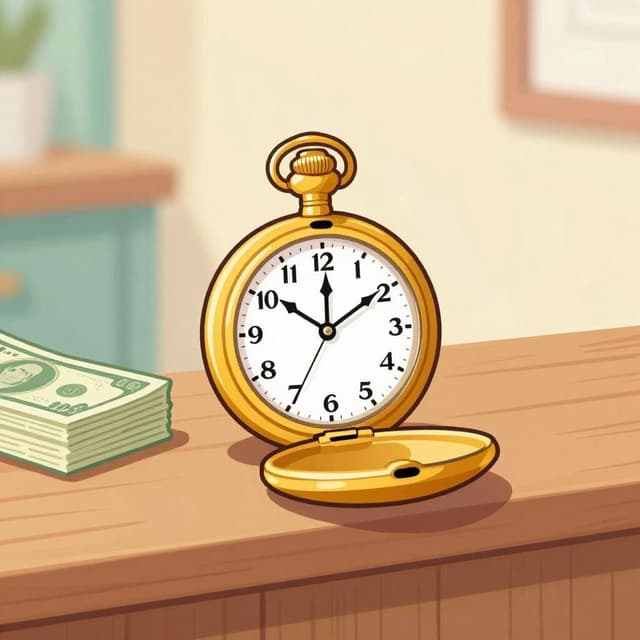
empeñar — to pawn
Use 'empeño', 'empeñas', 'empeña', 'empeñamos', 'empeñáis', 'empeñan' for actions happening now, habits, or general truths.
Formy empeñar Czas teraźniejszy
Kiedy używać Czas teraźniejszy
The present tense is versatile. It describes actions happening right now, habitual actions (things you do regularly), or general truths. It can also be used for future actions in some contexts.
Uwagi dotyczące empeñar w czasie Czas teraźniejszy
'Empeñar' is a regular -ar verb in the present indicative tense. All forms follow the standard conjugation pattern.
Przykładowe zdania
Yo empeño mi palabra en que esto es verdad.
I pledge my word that this is true.
yo
¿Tú empeñas siempre tus cosas cuando necesitas dinero?
Do you always pawn your things when you need money?
tú
Mi padre empeña su reloj cada mes.
My father pawns his watch every month.
él/ella/usted
Nosotros empeñamos en terminar el proyecto hoy.
We are determined to finish the project today.
nosotros
Częste błędy
Błąd: Using 'estar empeñando' for habitual actions.
Poprawnie: For habits, use the simple present: 'Empeño mi reloj cada semana'. The 'estar + gerund' form is for actions happening *right now*.
Dlaczego: The simple present covers habitual actions, while the present progressive is for ongoing actions.
Błąd: Confusing 'empeñamos' (present) with 'empeñamos' (preterite).
Poprawnie: The form is identical. Context will tell you if it's 'we pawn' (present) or 'we pawned' (preterite).
Dlaczego: This is a common feature of regular -ar verbs in the preterite; context is key.
Opanuj hiszpańskie czasowniki w kontekście
Zapamiętywanie tabel to dopiero początek. Przeczytaj ponad 200 ilustrowanych i udźwiękowionych hiszpańskich historii, aby zobaczyć czasowniki takie jak 'empeñar' używane naturalnie — w czasach, których się uczysz.
Powiązane czasy
Czas przeszły prosty
yo: empeñé
Use 'empeñé', 'empeñaste', 'empeñó', 'empeñamos', 'empeñasteis', 'empeñaron' for completed past actions.
Czas przeszły niedokonany
yo: empeñaba
Use 'empeñaba', 'empeñabas', 'empeñaba', 'empeñábamos', 'empeñabais', 'empeñaban' for ongoing or habitual past actions.
Czas przyszły
yo: empeñaré
Use 'empeñaré', 'empeñarás', 'empeñará', 'empeñaremos', 'empeñaréis', 'empeñarán' for future actions or probability.
Tryb warunkowy
yo: empeñaría
Use 'empeñaría', 'empeñarías', 'empeñaría', 'empeñaríamos', 'empeñaríais', 'empeñarían' for hypotheticals, polite requests, or future-in-the-past.
Tryb Subj. teraźniejszy
yo: empeñe
Use 'empeñe' (yo/él/ella/usted), 'empeñes' (tú), 'empeñemos' (nosotros), 'empeñéis' (vosotros), 'empeñen' (ellos/ellas/ustedes) after expressions of doubt, desire, emotion, or uncertainty.
Tryb Subj. przeszły niedokonany
yo: empeñara
Use 'empeñara'/'empeñase' (yo/él/ella/usted), 'empeñaras'/'empeñases' (tú), 'empeñáramos'/'empeñásemos' (nosotros), 'empeñarais'/'empeñaseis' (vosotros), 'empeñaran'/'empeñasen' (ellos/ellas/ustedes) for past hypotheticals or wishes.
Tryb rozkazujący (twierdzący)
yo: empeña
Use 'empeña' (tú), 'empeñe' (usted), 'empeñemos' (nosotros), 'empeñen' (ustedes), or 'empeñad' (vosotros) for direct commands.
Tryb rozkazujący (przeczący)
yo: no empeñes
Use 'no empeñes' (tú), 'no empeñe' (usted), 'no empeñemos' (nosotros), 'no empeñen' (ustedes), or 'no empeñéis' (vosotros) for negative commands.