Koniugacja enfermar Czas teraźniejszy
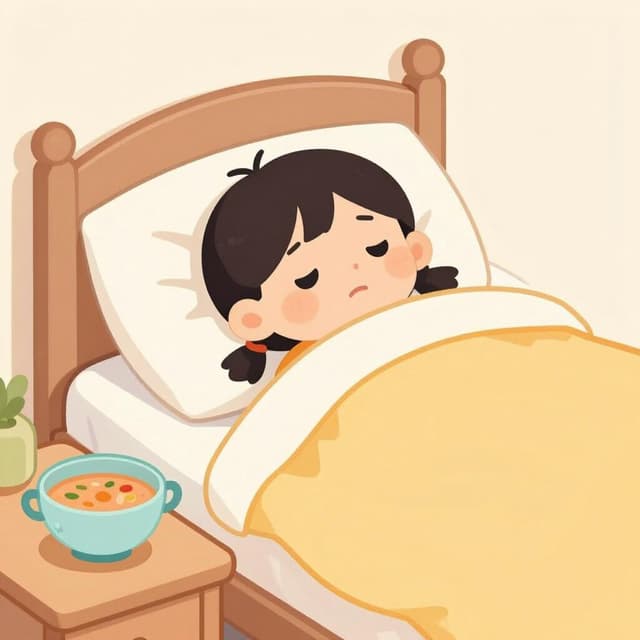
enfermar — to fall ill
Enfermar is regular in the present tense: enfermo, enfermas, enferma, enfermamos, enfermáis, enferman.
Formy enfermar Czas teraźniejszy
Kiedy używać Czas teraźniejszy
Use the present tense to describe habitual health patterns or the general state of falling ill. It is commonly used when discussing common allergies or seasonal sicknesses.
Uwagi dotyczące enfermar w czasie Czas teraźniejszy
Enfermar is a completely regular -ar verb in the present tense; it follows the standard pattern without stem changes.
Przykładowe zdania
Yo me enfermo cada vez que cambia el clima.
I fall ill every time the weather changes.
yo
Ella enferma si no duerme lo suficiente.
She falls ill if she doesn't sleep enough.
él/ella/usted
Muchos niños enferman en el invierno.
Many children fall ill in the winter.
ellos/ellas/ustedes
Częste błędy
Błąd: Using 'enfermo' as only an adjective.
Poprawnie: Use 'yo enfermo' as a verb for 'I fall ill'.
Dlaczego: Learners often forget 'enfermo' is both the adjective 'sick' and the first-person conjugation of the verb.
Opanuj hiszpańskie czasowniki w kontekście
Zapamiętywanie tabel to dopiero początek. Przeczytaj ponad 200 ilustrowanych i udźwiękowionych hiszpańskich historii, aby zobaczyć czasowniki takie jak 'enfermar' używane naturalnie — w czasach, których się uczysz.
Powiązane czasy
Czas przeszły prosty
yo: enfermé
The preterite of enfermar is regular: enfermé, enfermaste, enfermó, enfermamos, enfermasteis, enfermaron.
Czas przeszły niedokonany
yo: enfermaba
The imperfect of enfermar follows the standard -aba pattern: enfermaba, enfermabas, enfermaba, enfermábamos, enfermabais, enfermaban.
Czas przyszły
yo: enfermaré
The future of enfermar is formed by adding endings to the infinitive: enfermaré, enfermarás, enfermará, enfermaremo, enfermaréis, enfermarán.
Tryb warunkowy
yo: enfermaría
The conditional of enfermar uses the infinitive plus -ía endings: enfermaría, enfermarías, enfermaría, enfermaríamos, enfermaríais, enfermarían.
Tryb Subj. teraźniejszy
yo: enferme
The present subjunctive of enfermar uses -e endings: enferme, enfermes, enferme, enfermemos, enferméis, enfermen.
Tryb Subj. przeszły niedokonany
yo: enfermara
The imperfect subjunctive of enfermar is regular: enfermara, enfermaras, enfermara, enfermáramos, enfermarais, enfermaran.
Tryb rozkazujący (twierdzący)
yo: enferma
The imperative of enfermar: enferma (tú), enferme (usted), enfermemos (nosotros), enfermad (vosotros), enfermen (ustedes).
Tryb rozkazujący (przeczący)
yo: no enfermes
The negative imperative of enfermar uses the present subjunctive: no enfermes, no enferme, no enfermemos, no enferméis, no enfermen.