Koniugacja enfermar Czas przeszły prosty
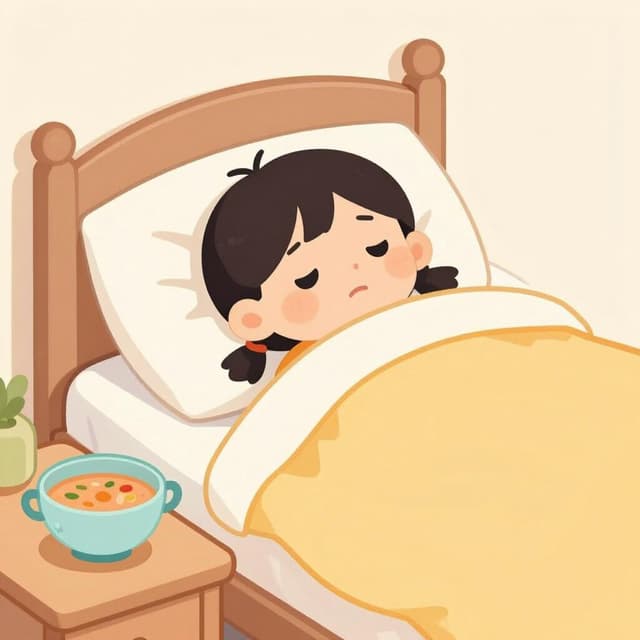
enfermar — to fall ill
The preterite of enfermar is regular: enfermé, enfermaste, enfermó, enfermamos, enfermasteis, enfermaron.
Formy enfermar Czas przeszły prosty
Kiedy używać Czas przeszły prosty
Use the preterite to pinpoint the exact moment or specific event when someone got sick. It refers to a completed event in the past.
Uwagi dotyczące enfermar w czasie Czas przeszły prosty
Enfermar is fully regular in the preterite. The 'nosotros' form is the same as the present tense.
Przykładowe zdania
Me enfermé después de comer ese marisco.
I got sick after eating that seafood.
yo
Mi abuelo enfermó el lunes pasado.
My grandfather fell ill last Monday.
él/ella/usted
Ustedes se enfermaron durante el viaje.
You all got sick during the trip.
ellos/ellas/ustedes
Częste błędy
Błąd: enfermo (without accent)
Poprawnie: enfermó
Dlaczego: Without the accent, 'enfermo' means 'I get sick' or 'sick person', while 'enfermó' means 'he/she got sick'.
Opanuj hiszpańskie czasowniki w kontekście
Zapamiętywanie tabel to dopiero początek. Przeczytaj ponad 200 ilustrowanych i udźwiękowionych hiszpańskich historii, aby zobaczyć czasowniki takie jak 'enfermar' używane naturalnie — w czasach, których się uczysz.
Powiązane czasy
Czas teraźniejszy
yo: enfermo
Enfermar is regular in the present tense: enfermo, enfermas, enferma, enfermamos, enfermáis, enferman.
Czas przeszły niedokonany
yo: enfermaba
The imperfect of enfermar follows the standard -aba pattern: enfermaba, enfermabas, enfermaba, enfermábamos, enfermabais, enfermaban.
Czas przyszły
yo: enfermaré
The future of enfermar is formed by adding endings to the infinitive: enfermaré, enfermarás, enfermará, enfermaremo, enfermaréis, enfermarán.
Tryb warunkowy
yo: enfermaría
The conditional of enfermar uses the infinitive plus -ía endings: enfermaría, enfermarías, enfermaría, enfermaríamos, enfermaríais, enfermarían.
Tryb Subj. teraźniejszy
yo: enferme
The present subjunctive of enfermar uses -e endings: enferme, enfermes, enferme, enfermemos, enferméis, enfermen.
Tryb Subj. przeszły niedokonany
yo: enfermara
The imperfect subjunctive of enfermar is regular: enfermara, enfermaras, enfermara, enfermáramos, enfermarais, enfermaran.
Tryb rozkazujący (twierdzący)
yo: enferma
The imperative of enfermar: enferma (tú), enferme (usted), enfermemos (nosotros), enfermad (vosotros), enfermen (ustedes).
Tryb rozkazujący (przeczący)
yo: no enfermes
The negative imperative of enfermar uses the present subjunctive: no enfermes, no enferme, no enfermemos, no enferméis, no enfermen.