Koniugacja enfrentarse Czas przyszły
enfrentarse — to face
The future tense 'me enfrentaré' indicates actions that will happen in the future.
Formy enfrentarse Czas przyszły
Kiedy używać Czas przyszły
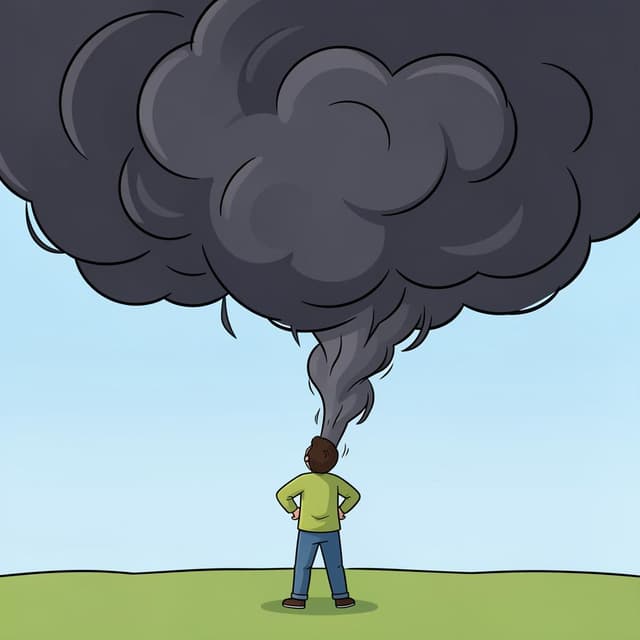
Use the future tense of 'enfrentarse' to talk about something that *will* happen regarding facing a situation or person. It can also express probability or conjecture about the present. For example, 'Mañana me enfrentaré a mis miedos' means 'Tomorrow I will face my fears.' Or, 'Se enfrentará a unos 50 invitados' might mean 'There will probably be about 50 guests.'
Uwagi dotyczące enfrentarse w czasie Czas przyszły
'Enfrentarse' is regular in the future tense. The stem is the infinitive 'enfrentar-', and you add the standard future endings: me enfrentaré, te enfrentarás, se enfrentará, nos enfrentaremos, os enfrentaréis, se enfrentarán.
Przykładowe zdania
En el futuro, me enfrentaré a nuevos desafíos.
In the future, I will face new challenges.
yo
¿Te enfrentarás a la situación sin dudar?
Will you face the situation without hesitation?
tú
Ella se enfrentará a la verdad tarde o temprano.
She will face the truth sooner or later.
él/ella/usted
Nos enfrentaremos a lo que venga.
We will face whatever comes.
nosotros
Częste błędy
Błąd: Using the present tense instead of future, like 'Mañana me enfrento'.
Poprawnie: Use the future tense for definite future actions: 'Mañana me enfrentaré'.
Dlaczego: The future tense specifically denotes actions that will occur later.
Błąd: Forgetting the reflexive pronoun 'se' in third person, like 'Él enfrentará el problema'.
Poprawnie: Include the reflexive pronoun: 'Él se enfrentará al problema'.
Dlaczego: 'Enfrentarse' is reflexive and requires the corresponding pronoun.
Opanuj hiszpańskie czasowniki w kontekście
Zapamiętywanie tabel to dopiero początek. Przeczytaj ponad 200 ilustrowanych i udźwiękowionych hiszpańskich historii, aby zobaczyć czasowniki takie jak 'enfrentarse' używane naturalnie — w czasach, których się uczysz.
Powiązane czasy
Czas teraźniejszy
yo: me enfrento
The present tense 'me enfrento' is used for current actions, habits, and general truths about facing things.
Czas przeszły prosty
yo: me enfrenté
The preterite of 'enfrentarse' is used for completed actions in the past, like 'me enfrenté' (I faced).
Czas przeszły niedokonany
yo: me enfrentaba
The imperfect 'me enfrentaba' describes ongoing or habitual past actions of facing.
Tryb warunkowy
yo: me enfrentaría
The conditional 'me enfrentaría' expresses hypothetical actions or polite suggestions about facing things.
Tryb Subj. teraźniejszy
yo: me enfrente
The present subjunctive 'me enfrente' is used after expressions of doubt, desire, emotion, or uncertainty.
Tryb Subj. przeszły niedokonany
yo: me enfrentara
The imperfect subjunctive 'enfrentara' or 'enfrentase' is used for past hypotheticals, doubts, or wishes.
Tryb rozkazujący (twierdzący)
yo: enfréntate
Commands like 'enfrenta tú!' or 'enfrentemos nosotros!' are formed using the imperative mood.
Tryb rozkazujący (przeczący)
yo: no te enfrentes
Negative commands like 'no te enfrentes' are formed using the present subjunctive with 'no'.